Half Human Half Robot: Where Biology, Technology, and Leadership Psychology Meet
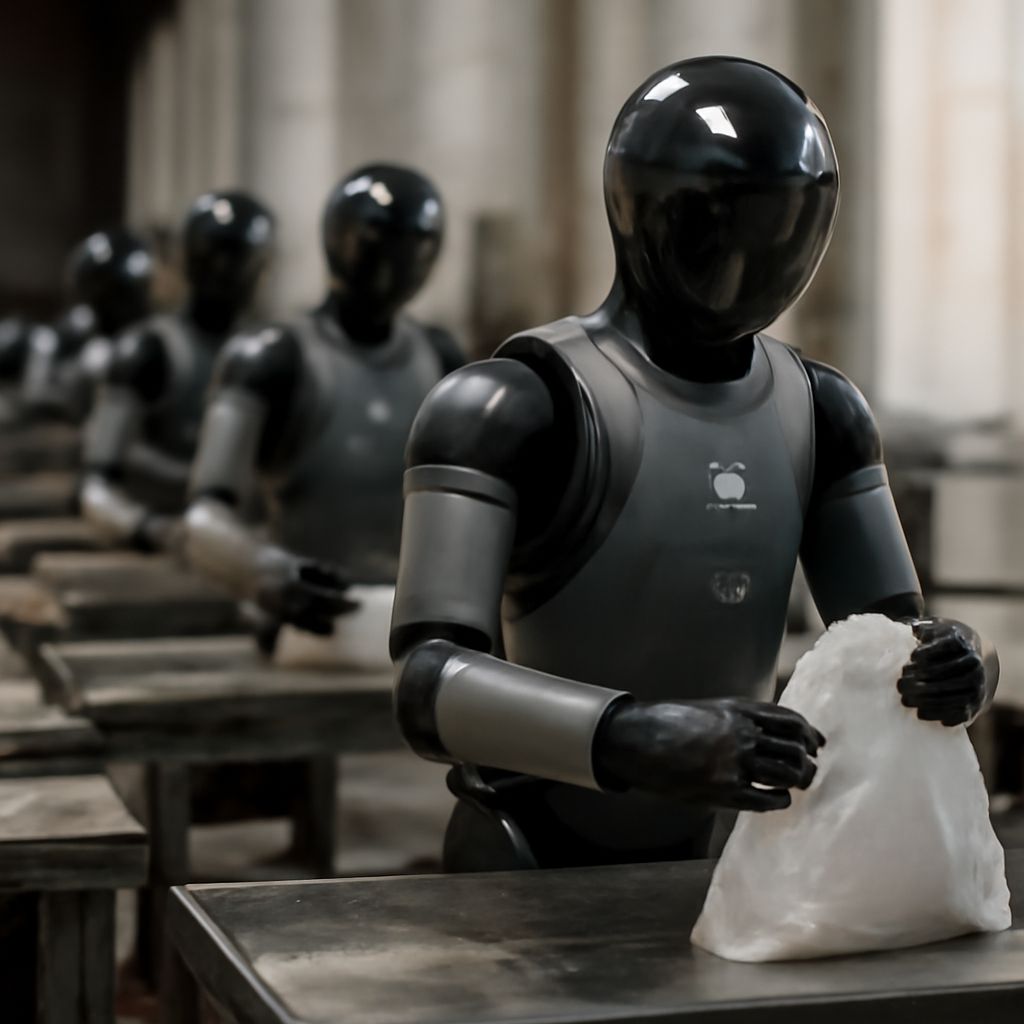
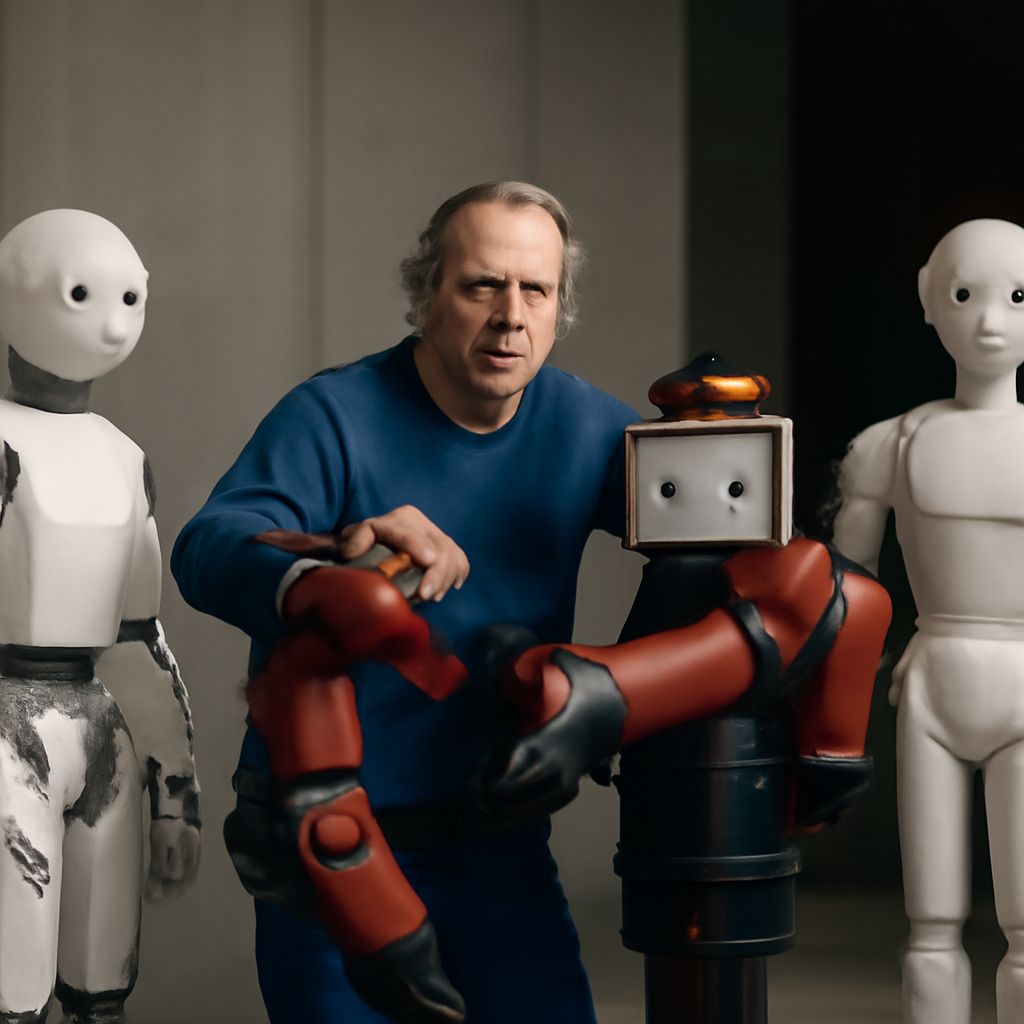
The idea of a half human half robot — a being that combines biological and mechanical systems — has moved from science fiction into active engineering research. Human behavior psychology provides the framework for understanding what makes human cognition and social interaction unique, and therefore what is hardest to replicate in machine systems. The robot vs human debate in labor markets, creative fields, and caregiving raises questions about which human capacities are genuinely irreplaceable. The psychology of leadership identifies the traits and behaviors that distinguish effective leaders — and asks whether any of them could be programmed into a machine or augmented in a human. And the psychology of human behavior covers the full scope of what drives people: motivation, emotion, social influence, habit, and decision-making under uncertainty.
This article explores what current research says about the boundary between human and machine capability, what half human half robot systems actually exist, and what the psychology of leadership and human behavior reveal about what machines cannot yet do.
What Cybernetic and Augmented Systems Actually Look Like
Current Half Human Half Robot Technology
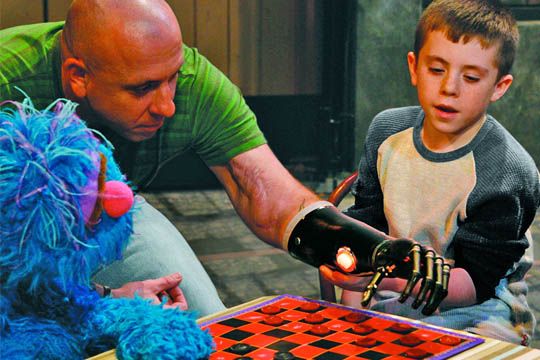
The half human half robot concept is not as distant from reality as it might sound. Cochlear implants, pacemakers, and prosthetic limbs with neural interfaces already blur the boundary between biological and mechanical systems. Brain-computer interfaces developed by companies like Neuralink and academic labs at institutions like BrainGate allow people to control digital devices with neural signals. Exoskeletons assist paralyzed individuals to walk. These are genuine augmentations — human biology operating in conjunction with engineered systems in ways that neither could achieve alone.
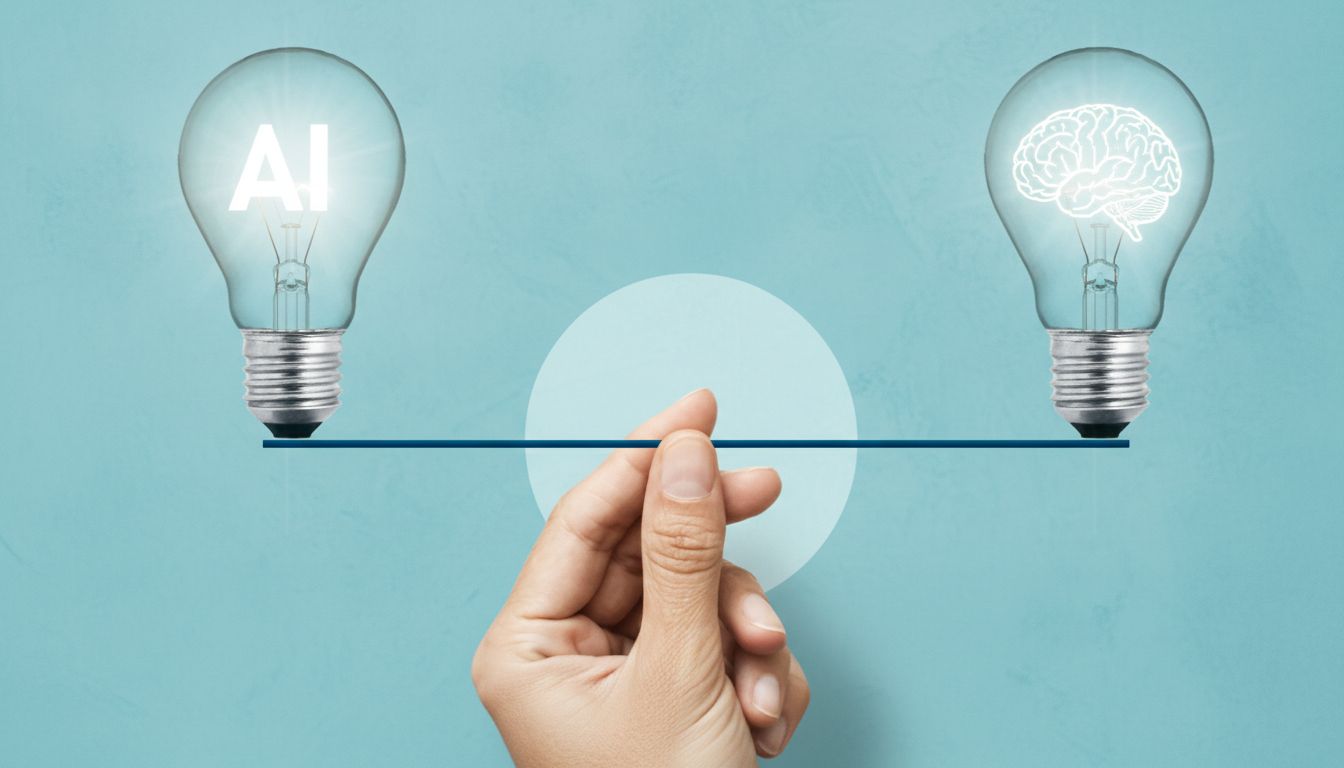
The robot vs human framing is useful for identifying capability boundaries. Current robots outperform humans at precise, repetitive physical tasks, data processing at scale, and pattern recognition in well-defined domains. Humans outperform robots at generalization — applying knowledge across novel contexts — social cognition, creativity, and ethical judgment in ambiguous situations. The half human half robot concept, in engineering terms, tries to combine machine speed and precision with human flexibility and judgment.
Human Behavior Psychology in Human-Robot Interaction
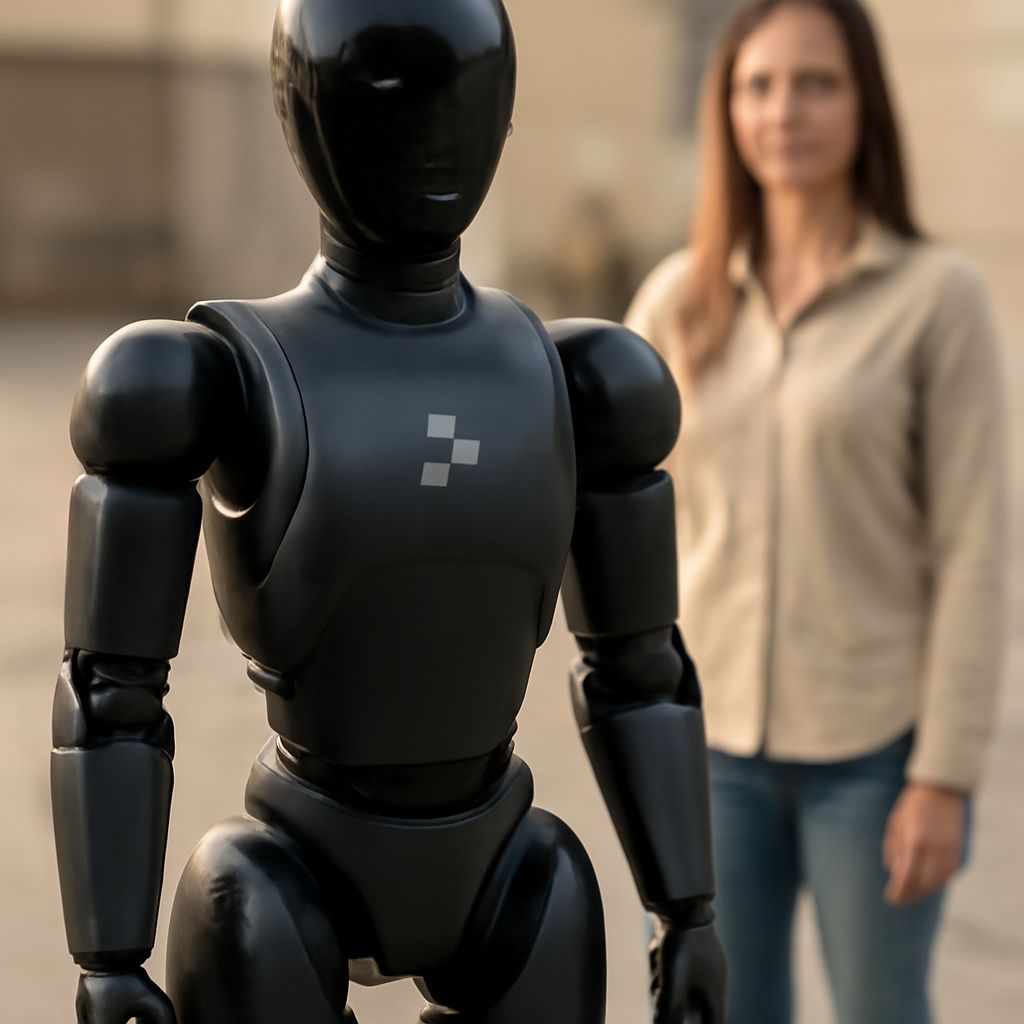
Human behavior psychology becomes critical when robots or augmented systems interact with people. Research consistently shows that humans apply social cognition to robots — attributing intentions, emotions, and moral status to machines that display even minimal social cues. This is not irrationality; it is the human social brain doing what it evolved to do, which is detect agency and intention in the environment. The psychology of human behavior in robot-interaction contexts shapes design decisions about robot appearance, voice, and movement patterns.
The uncanny valley effect — discomfort triggered by near-human robots — is a human behavior psychology phenomenon with direct engineering consequences. Robots designed to look and move exactly like humans, but imperfectly, trigger stronger aversion than clearly mechanical robots or clearly human-appearing ones. This finding has influenced the design of social robots toward either clearly mechanical aesthetics or near-perfect humanoid replication, with fewer designs landing in the middle.
The psychology of leadership asks what makes someone an effective leader, and the answers have significant implications for the robot vs human question in management contexts. Transformational leadership — inspiring people through vision, emotional connection, and individual consideration — depends on capacities that are deeply human: authenticity, vulnerability, emotional attunement, and the ability to read and respond to unspoken group dynamics. These are not easily programmed or reliably replicated by AI systems.
Transactional leadership — managing through clear expectations, monitoring performance, and applying rewards and consequences — is much closer to what current AI management tools can do. Setting goals, tracking metrics, and triggering feedback systems can be automated. The psychology of leadership research suggests that purely transactional leadership, without the relational and inspirational dimensions, produces compliance but not commitment. This is a meaningful distinction when organizations consider replacing or augmenting human managers with automated systems.
The psychology of human behavior in high-stakes environments — surgery, emergency response, military command — shows that effective performance under uncertainty depends on pattern recognition developed through extensive experience, rapid integration of multiple information streams, and emotional regulation that prevents both paralysis and recklessness. Half human half robot systems in these environments aim to augment human operators with machine precision rather than replace human judgment.
Human behavior psychology research on trust calibration shows that people tend to over-trust automated systems initially, then under-trust them after a single high-profile failure. This creates a challenge for robot vs human systems in safety-critical domains: the optimal level of trust depends on accurately understanding what the machine can and cannot do, which requires sustained effort that most users do not invest. Designing interfaces that communicate system limitations clearly is an active research area in human-robot interaction.