Retro Robot: The History and Appeal of Tin and Vintage Toy Robots
A retro robot isn’t just a toy. It’s a window into how past generations imagined the future. The chunky shapes, blinking lights, and mechanical movement of these figures captured a 20th-century vision of technology that feels both dated and endlessly charming. Tin robot toys from the 1950s and 1960s are among the most collected vintage items in the world.
The appeal of a vintage toy robot goes beyond nostalgia. These objects represent a distinct aesthetic moment when space exploration, atomic science, and popular fiction all converged. A vintage robot toy from this era tells a story about design, manufacturing, and cultural anxiety all at once. And the broader category of the old school robot, from fictional characters to actual early machines, shows how deeply robots have shaped the human imagination.
The Golden Age of Tin Robots
Japanese Manufacturing and Global Reach
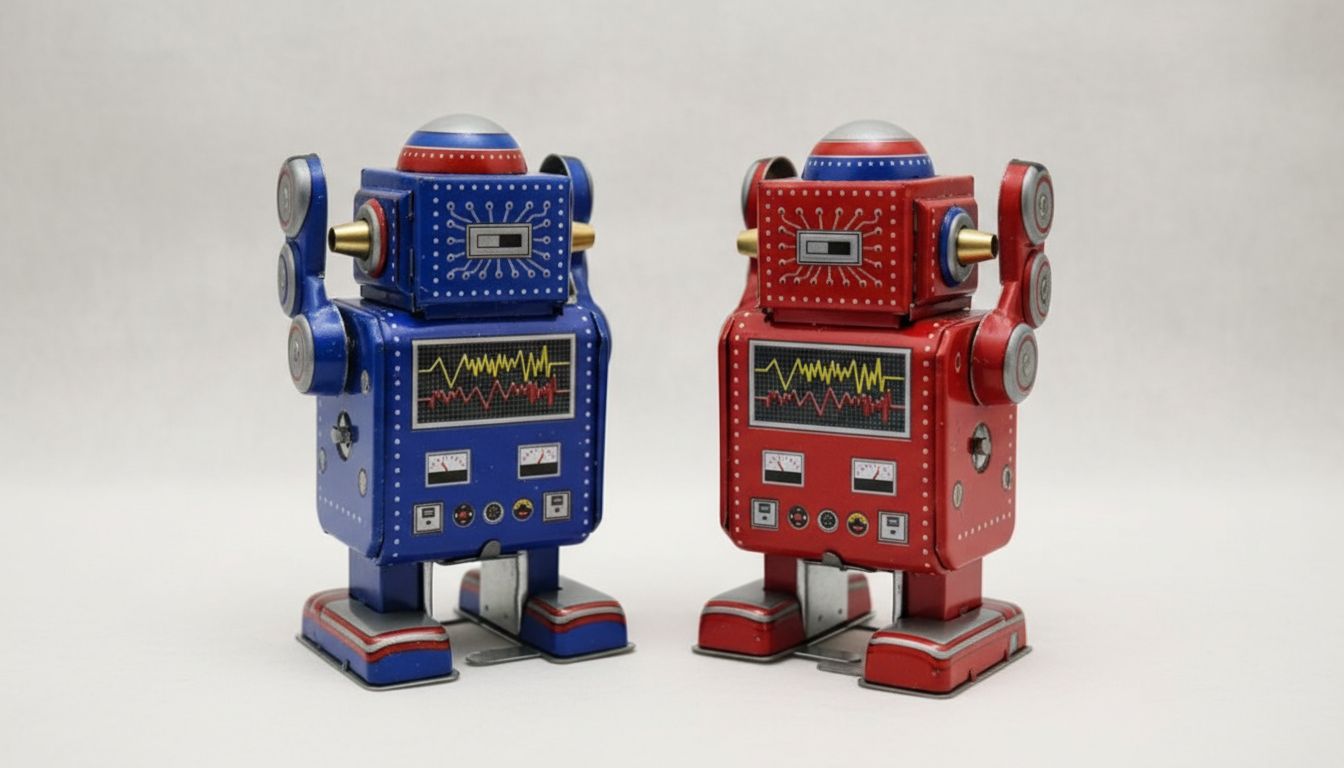
The golden age of the tin robot runs roughly from 1950 to 1975. Japanese manufacturers dominated this market, producing lithographed tin toys that were exported worldwide. Companies like Nomura, Yoshiya, and Masudaya created iconic designs that are now highly sought by collectors. The tin robot toys they made were affordable, colorful, and battery-powered, filling toy stores in America and Europe with visions of a mechanical future.
Japanese production of tin robot toys benefited from low labor costs and advanced metalworking traditions. The lithography process allowed manufacturers to print detailed graphics directly onto tin before shaping it, creating the bright graphics and panel details that define the retro robot aesthetic. Many original tin robot designs remain in production today as reproduction collectibles.
What Makes a Vintage Toy Robot Collectible
A vintage toy robot’s value depends on condition, rarity, and original packaging. Robots in their original boxes command significant premiums. Working condition matters enormously, though batteries from the 1960s often damaged internal mechanisms. Collectors prioritize examples with intact lithography, functioning light mechanisms, and no missing parts.
Key names in vintage toy robot collecting include Robert the Robot by Ideal, the Smoking Spaceman by Linemar, and the Rotate-O-Matic Super Astronaut. These vintage robot toy designs have sold at auction for thousands of dollars. The combination of industrial design, pop culture iconography, and mechanical engineering makes them appealing to multiple collector communities simultaneously.
The Old School Robot in Fiction and Culture
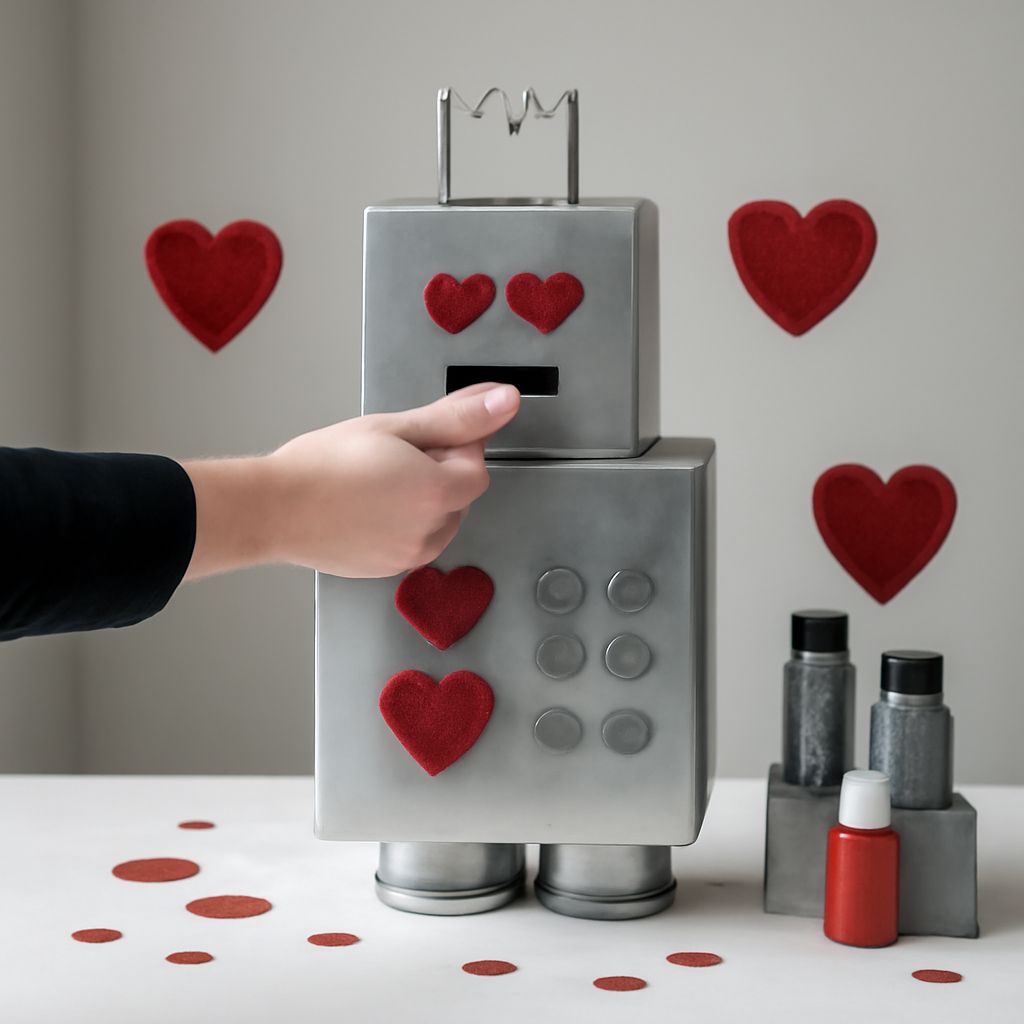
The old school robot aesthetic in fiction runs from the metallic giants of pulp science fiction to the more humanoid designs of mid-century film. Robby the Robot from Forbidden Planet (1956) established a visual template that influenced decades of subsequent robot design. The old school robot tends to have a boxy body, a dome head with glowing eyes, and arm mechanisms that suggest rather than replicate human movement.
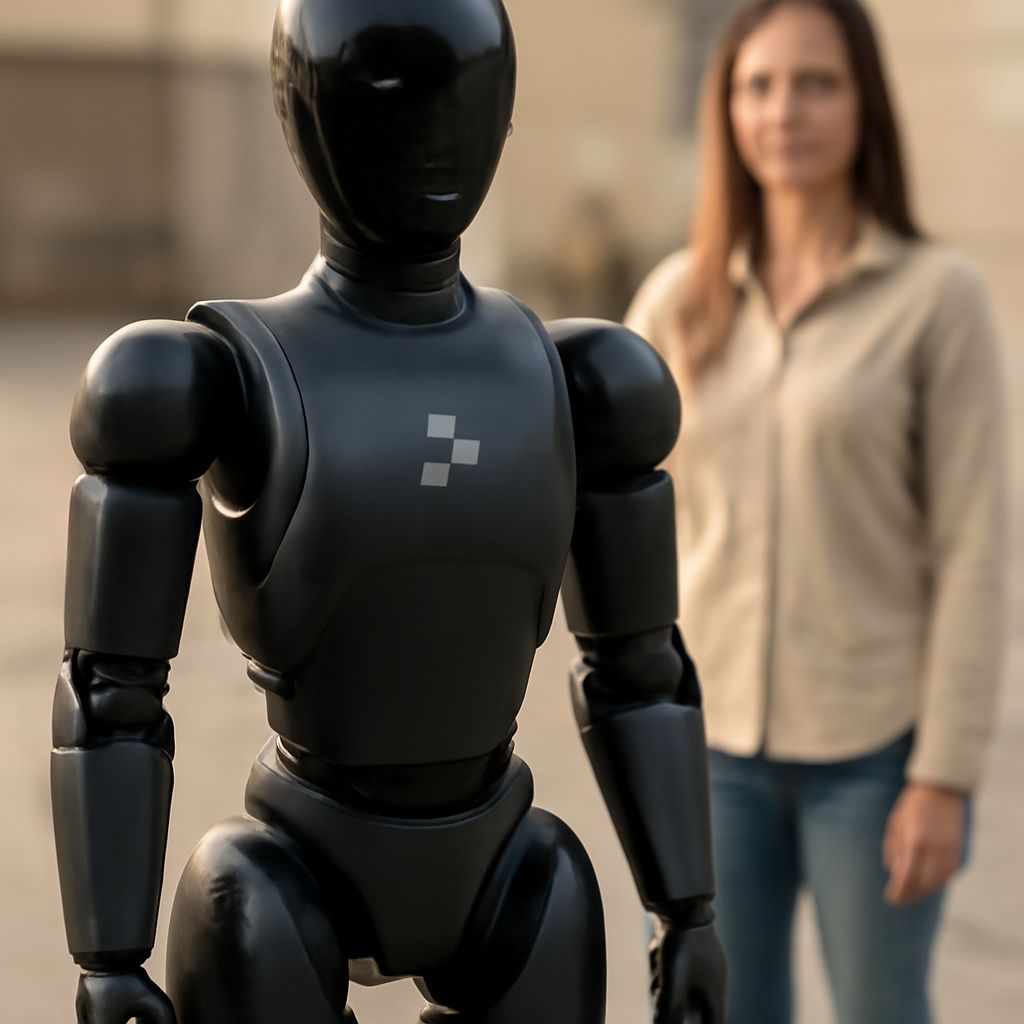
This aesthetic carries its own emotional register. The old school robot doesn’t pretend to be human. Its mechanical nature is visible and even celebrated. This contrasts with modern robotics and AI design trends that increasingly emphasize naturalistic appearance and behavior. The retro version was honest about what it was.
Retro Robot Design in Modern Culture
Retro robot aesthetics have cycled back into popularity through design, gaming, and fashion. The retro robot look appears in logo design, brand mascots, video game characters, and street art. It signals a specific kind of optimism about technology, before the anxieties of automation and surveillance became dominant.
Vintage toy robot imagery has been adopted by tech companies as a way to make technology feel friendly and approachable rather than threatening. The chunky proportions and simple mechanical features of the tin robot translate well to icon design and mascot characters. There’s a warmth to these designs that modern sleek aesthetics often lack.
Where to Find Vintage Robot Toys Today
Vintage toy robot collections appear at specialized toy fairs, antique markets, and online auction platforms. Japanese domestic market pieces often appear on Japanese auction sites before reaching international collectors. Reproductions are common and sometimes excellent, but serious collectors prioritize original examples with documented provenance.
Prices for vintage robot toy examples vary widely. Common reproductions sell for under fifty dollars. Original examples from major manufacturers in good condition start in the hundreds and can reach tens of thousands for rare, boxed examples in working order. Knowing the difference between original and reproduction tin robot pieces requires familiarity with manufacturing details, hardware styles, and lithography quality.
Key takeaways: the retro robot aesthetic reflects a specific cultural moment when technology was imagined as mechanical, friendly, and chrome-plated. Tin robot and vintage toy robot collecting is a serious hobby with a global community. The old school robot remains one of the most recognizable and emotionally resonant icons in popular culture history.