Spiritual Psychology: Facts, Integration, and the Science of the Mind
Spiritual psychology explores how spiritual experience, meaning, and transcendence connect to mental and emotional life. It sits at the edge of psychology and religion, drawing from both without being fully owned by either. Alongside established research, interesting psychology facts about human motivation and belief keep expanding what we know about this territory.
Integrative psychology brings multiple frameworks together to address the whole person. Medical psychology applies psychological principles within healthcare settings, often working with patients facing serious illness. And even lighter topics like psychology facts about crushes reveal how deeply emotional experience and cognitive processing intertwine in everyday life.
What Spiritual Psychology Actually Studies
Spiritual psychology examines how people make meaning, connect to something beyond themselves, and use spiritual resources to cope. It’s not about endorsing any religion. It’s about taking seriously the data showing that spiritual experience affects mental health outcomes.
Research in this area links spiritual engagement to lower rates of depression, better recovery from trauma, and higher life satisfaction. Spiritual psychology draws from cognitive psychology, neuroscience, and existential philosophy to explain these patterns without reducing them to biology alone.
Interesting Psychology Facts About Belief
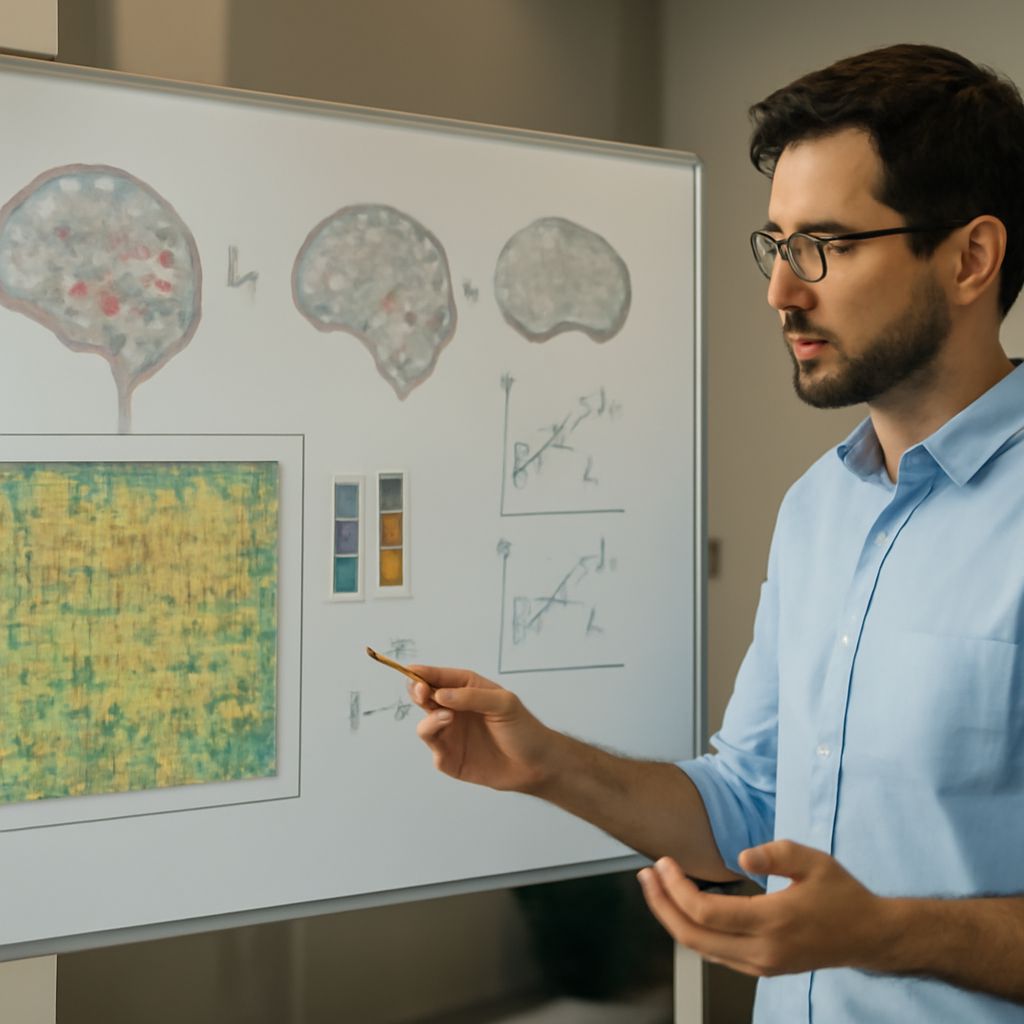
Some of the most interesting psychology facts come from studies on belief and perception. People who hold strong spiritual frameworks process threat differently. They show less activation in brain regions associated with anxiety when facing uncertainty. The effect isn’t unique to any one tradition.
Another set of interesting psychology facts involves near-death experiences. These occur across cultures with remarkable consistency in structure, raising questions that neuroscience alone hasn’t fully resolved. Whether these are brain events or something else, they shape how people live afterward.
Integrative Psychology: Connecting the Frameworks
Integrative psychology rejects the idea that any single psychological model captures the full picture. A therapist working from an integrative framework might use CBT for thought patterns, attachment theory for relational dynamics, and somatic approaches for body-stored stress. The selection depends on the client, not the school.
Integrative psychology has gained ground as outcome research shows that therapeutic relationship and fit often matter more than technique alone. When practitioners pull from multiple traditions, they can match the approach to the problem rather than fitting the problem to the approach.
Medical Psychology in Clinical Settings
Medical psychology applies psychological knowledge directly to health and illness. Practitioners work in hospitals, cancer centers, pain clinics, and rehabilitation units. Their work includes helping patients manage chronic pain, adhere to treatment, cope with diagnosis, and communicate with medical teams.
Medical psychology also addresses the psychological side effects of physical treatments. Chemotherapy, surgery, and long-term medication regimens all affect mood, memory, and self-concept. A medical psychologist helps patients navigate these changes alongside their primary medical care.
Psychology Facts About Crushes and Attraction
Psychology facts about crushes reveal how much of romantic attraction operates below conscious awareness. The brain releases dopamine, norepinephrine, and serotonin during the early stages of attraction. This creates the focused attention, elevated energy, and intrusive thoughts most people associate with having a crush.
Additional psychology facts about crushes show that proximity matters enormously. The mere exposure effect means you become more attracted to people simply by seeing them more often. Familiarity breeds liking, not contempt, in most romantic contexts. This is why workplace and classroom attractions are so common.
How These Fields Connect
Spiritual psychology, integrative psychology, and medical psychology all reflect a similar shift in the field: away from isolated symptoms and toward the whole person. Patients with serious illness often face spiritual questions alongside physical ones. Integrative practitioners are better positioned to address both.
The interesting psychology facts about belief, meaning, and attraction aren’t just trivia. They point to the same reality that spiritual psychology and integrative practice take seriously: human beings are complex systems, and effective care has to meet that complexity rather than simplify it away.