Painting Robot: When Robot Painting Meets Chef Robot and Philosophy Painting
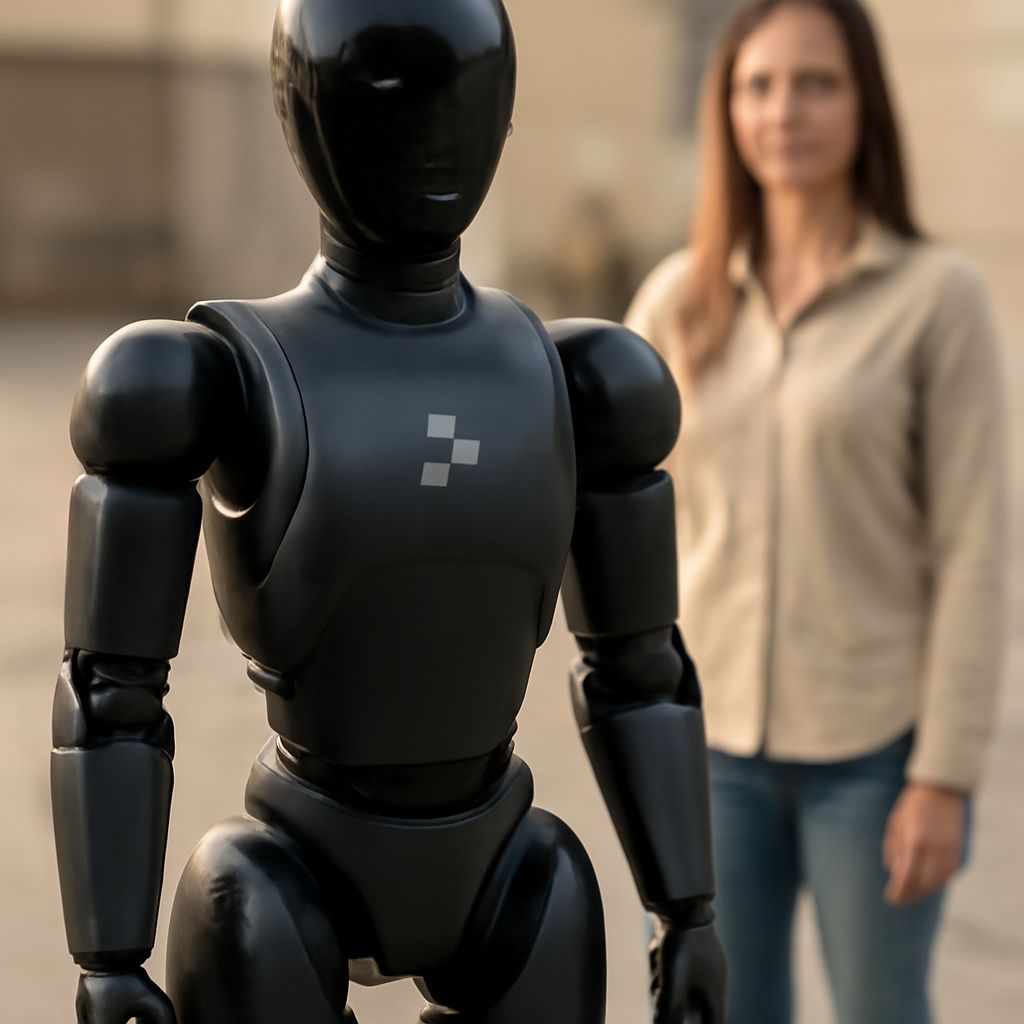
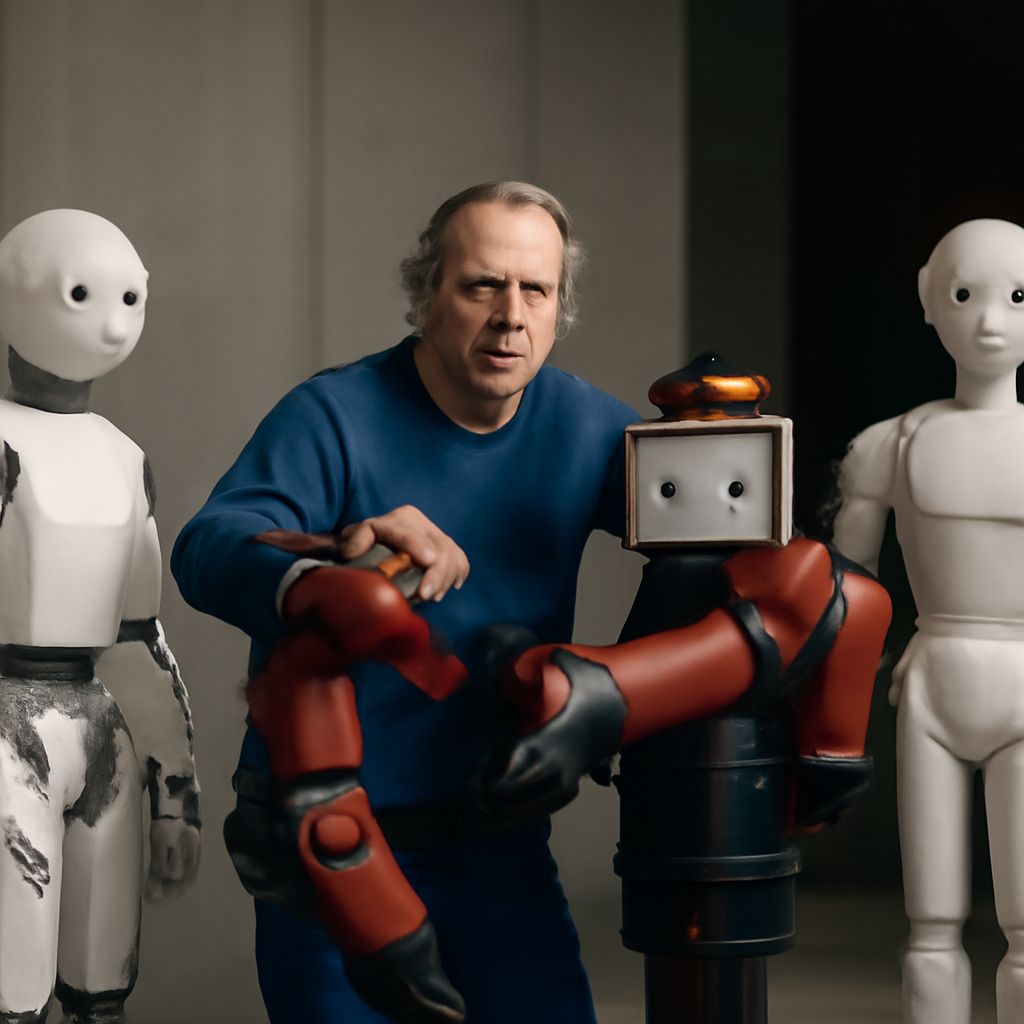
A painting robot is a machine designed to apply paint, coatings, or pigments with precision and repeatability that human painters cannot consistently match. The concept of robot city describes an imagined or emerging urban environment where automated systems handle a wide range of tasks, from infrastructure maintenance to creative work. Robot painting as a commercial technology is already deployed in automotive manufacturing, aerospace coating, and large-scale architectural work. A chef robot represents a parallel development in food preparation, where automation is entering domains previously considered too nuanced for machines. And philosophy painting is a genre of art that uses visual representation to explore abstract philosophical ideas, raising the question of whether a painting robot could ever create genuine philosophy painting.
These domains connect through a shared question: where does machine precision end and human meaning begin?
Painting Robots in Industry and Art: From Spray Nozzles to Canvas
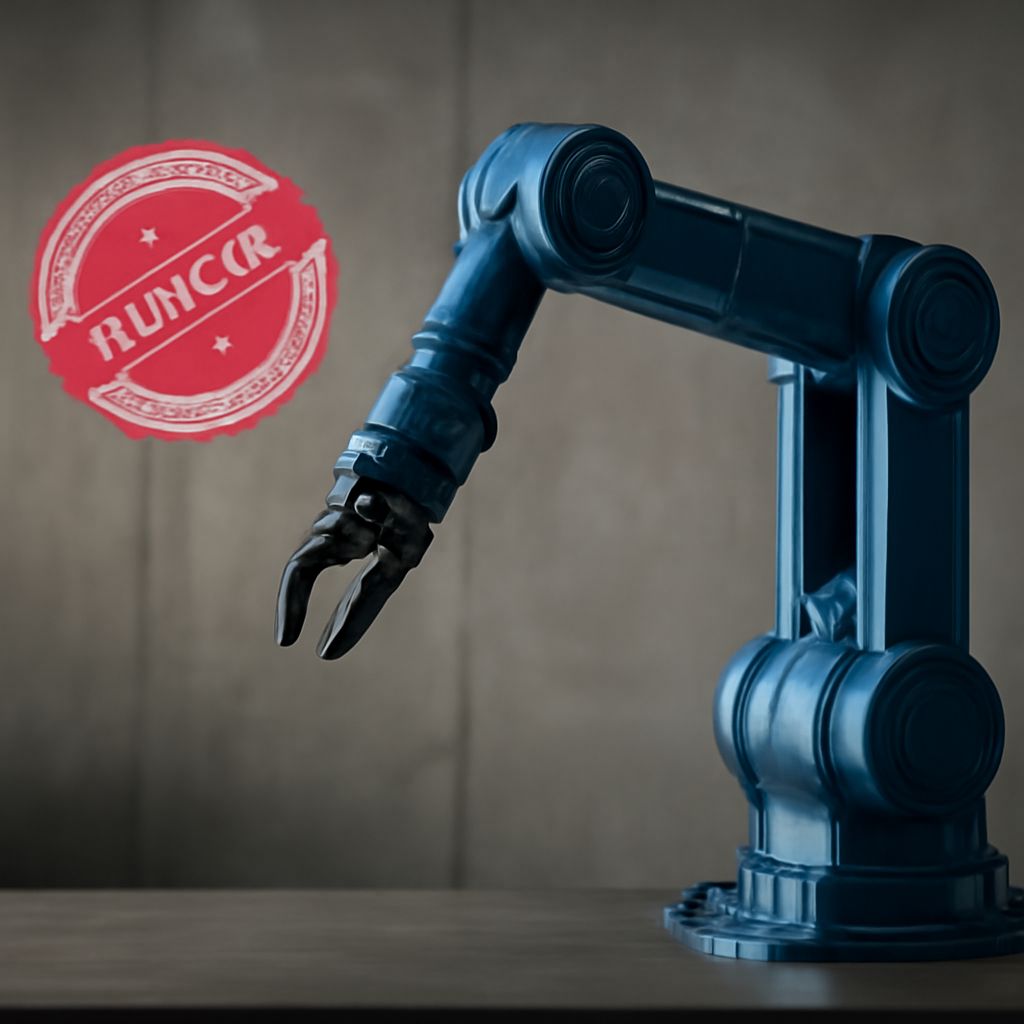
The industrial painting robot is well established. Automotive manufacturers have used robotic spray systems for body painting since the 1970s. Modern painting robot installations in vehicle production lines apply multiple layers of primer, base coat, and clear coat with consistent coverage and minimal waste. The precision of a robotic arm combined with computer-controlled spray parameters produces results that human painters cannot replicate at scale without significant quality variance.
Industrial robot painting systems also operate in cleanroom and hazardous environments where human exposure to paint chemicals would create health risks. Aerospace coating applications, where precise thickness tolerances are safety-critical, rely heavily on robot painting for both consistency and worker safety.
Robot City and the Expansion of Robotic Work
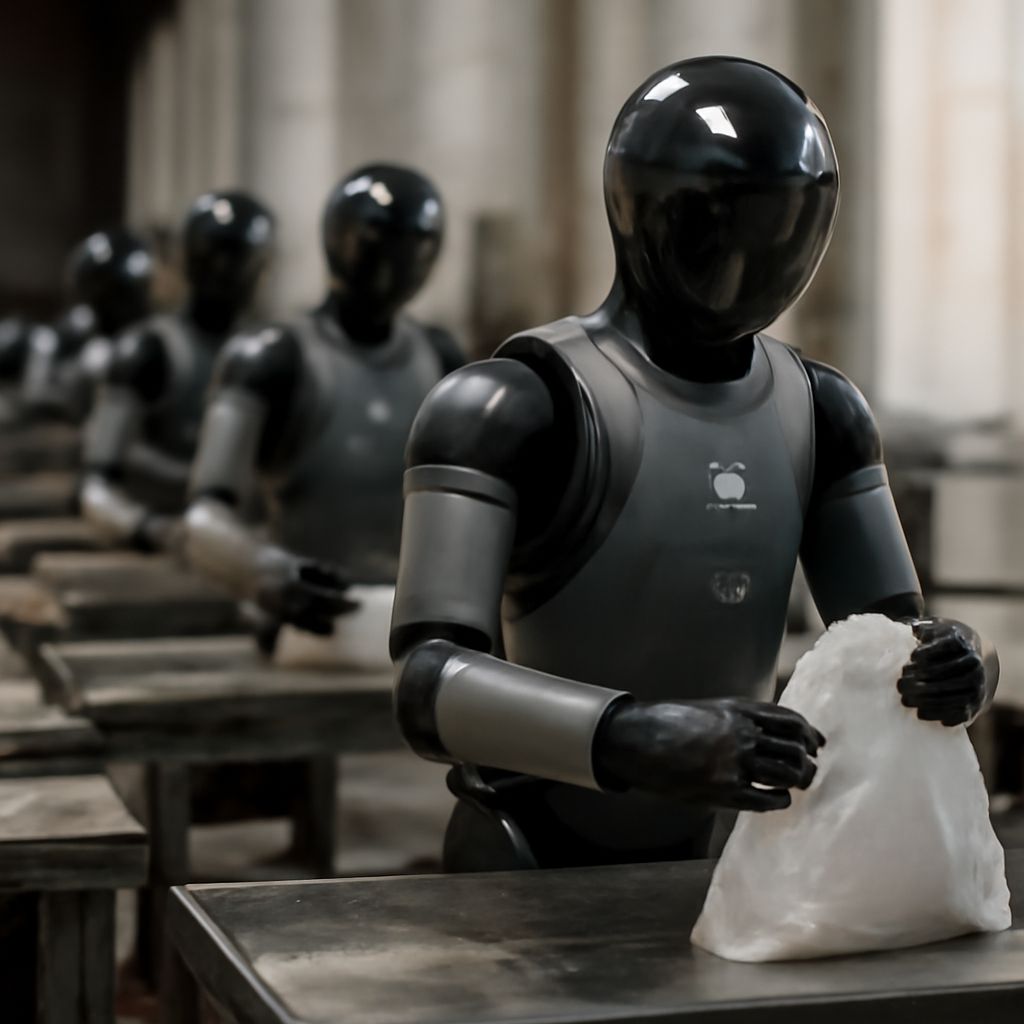
The robot city concept imagines an urban environment where robots handle not just manufacturing but maintenance, logistics, food service, and creative work. This is no longer purely speculative. Singapore, Tokyo, and several Chinese cities are actively deploying robotic systems for road maintenance, security patrol, and food delivery. The robot city is not a uniform technological vision; it is a direction that different cities are approaching at different speeds depending on labor costs, regulatory environments, and public acceptance.
Within the robot city framework, a painting robot takes on broader roles. Exterior building painting by drone-mounted or wall-climbing robotic systems is already in commercial trials in Japan and South Korea. These systems reduce scaffolding costs, eliminate fall risks, and can work continuously without the fatigue or attention lapses that affect human painters on large surfaces.
Robot Painting as Creative Practice
The question of whether robot painting constitutes genuine creative work is seriously debated in art and philosophy circles. Ai-Da, a robotic artist developed by Aidan Meller, has produced paintings that have been exhibited in galleries and sold at auction. The robot uses computer vision and a robotic arm to translate what it “sees” into painted marks. Whether this constitutes creativity in any meaningful sense depends on how you define the concept.
Proponents of robot painting as art argue that the output is the relevant object, and evaluating it on aesthetic merits rather than origin is the appropriate critical stance. Critics argue that art requires intention and meaning-making by a conscious agent, and that robot painting produces sophisticated pattern-matching rather than genuine expression.
Chef Robot and the Parallel Debate in Food
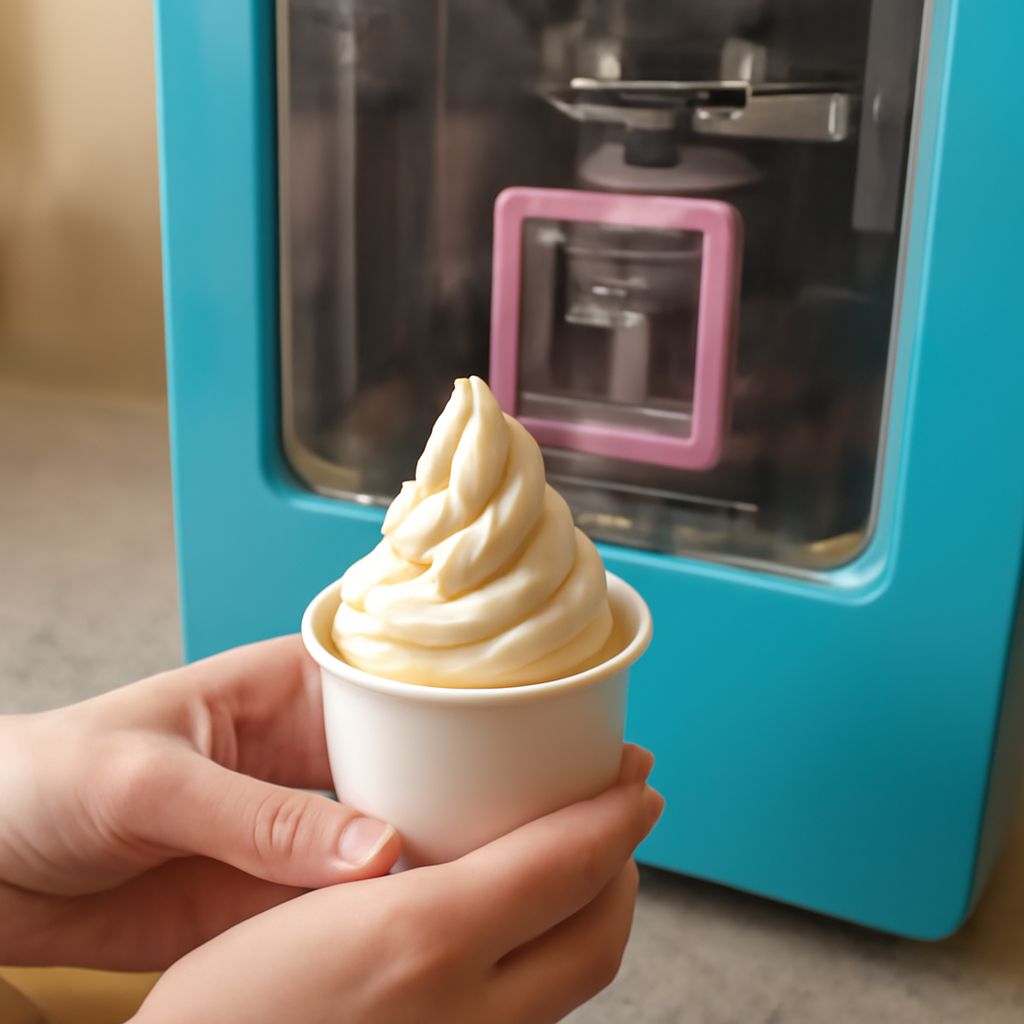
The chef robot discussion mirrors the painting robot debate almost exactly. Companies like Miso Robotics have deployed burger-flipping robots, and several startups are working on systems that can replicate complex culinary techniques. A chef robot in a commercial kitchen reduces labor costs and improves consistency. It can also work in temperature ranges and for durations that are physically demanding for human cooks.
But the parallel question arises: does a chef robot cook or simply execute? Professional chefs speak of flavor intuition, real-time adjustment to ingredient variation, and the creative act of developing a new dish. Current chef robot systems optimize for consistency, not creativity. They replicate what they are trained to do rather than inventing new combinations in response to available ingredients and customer feedback.
Philosophy Painting and What Robots Cannot Yet Do
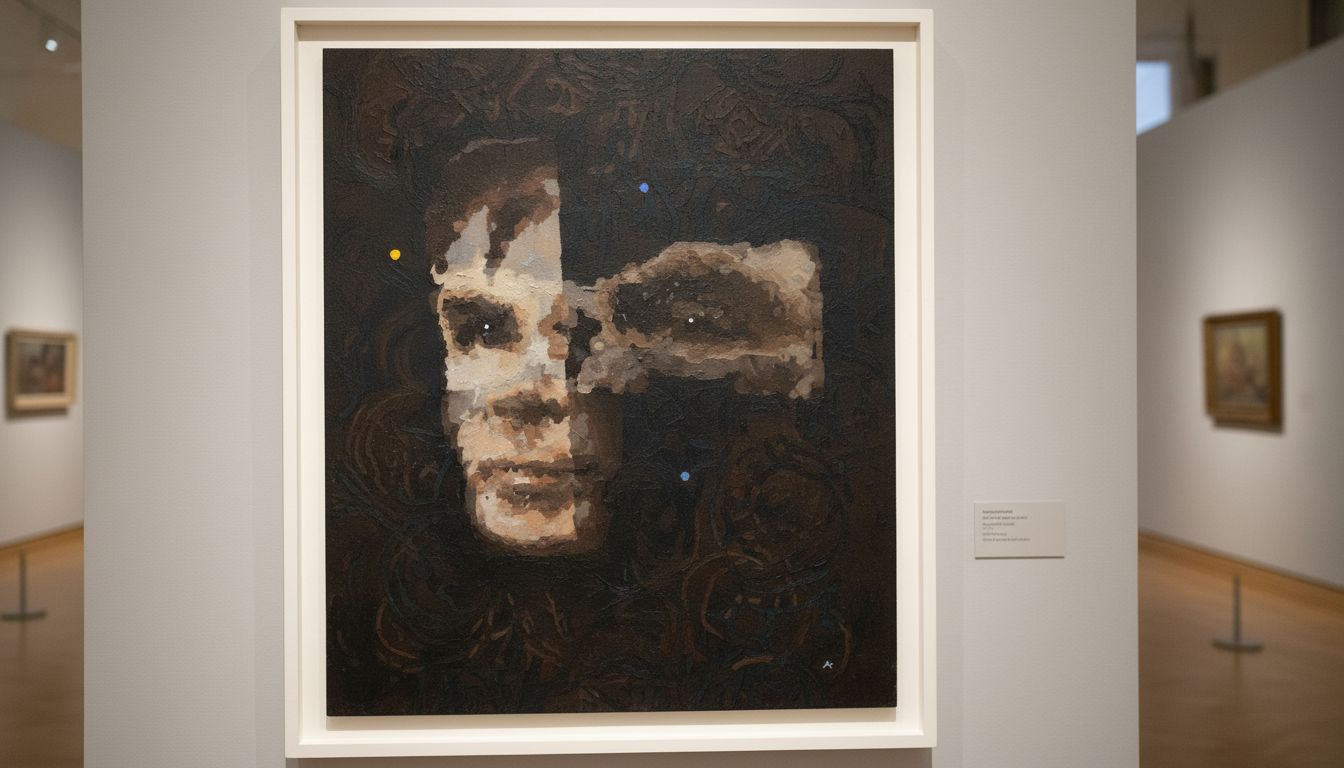
Philosophy painting as a category includes works by artists like Caspar David Friedrich, whose landscapes explore ideas about human finitude and the sublime, and contemporary artists who use visual imagery to provoke philosophical reflection on consciousness, identity, and mortality. A painting robot can reproduce the technical execution of these works. What it cannot do is generate the intention behind them.
Philosophy painting requires the artist to hold a question, to live with uncertainty, and to make choices about what to include and exclude based on that sustained inquiry. Current painting robot systems execute instructions derived from training data or direct programming. The gap between sophisticated execution and genuine inquiry is the central remaining distinction between robotic and human creative work.
That gap is narrowing in some domains. Generative AI systems can produce visual outputs that provoke genuine philosophical reflection in viewers, even if the system itself has no such intention. Whether the effect is equivalent to the cause is a genuinely open philosophical question, and it is the question that makes the intersection of painting robot technology and philosophy painting more than a technical curiosity.