Sports Psychology Books: Mental Health, Internships, and the History of the Field
The best sports psychology books do more than describe mental techniques. They explain the science of performance under pressure, recovery from setbacks, and the relationship between competitive sport and wellbeing. The research behind claims like playing team sports can improve a person’s mental health. is substantial and worth understanding in detail. Sports psychology internships are the primary training pathway for practitioners, and knowing what those programs involve helps students plan their education more effectively. The best sports psychology books for different audiences, student, athlete, coach, vary considerably. And the history of sports psychology runs from Norman Triplett’s 1898 experiments on cycling performance to today’s applied programs embedded in professional sport organizations.
This article covers each of these areas with enough specificity to be genuinely useful.
Sports Psychology Books, Field History, and Career Pathways
The history of sports psychology as a formal discipline begins in the late 19th century. Norman Triplett’s 1898 study on cyclists, which found that cyclists rode faster in groups than alone, is often cited as the first sports psychology experiment. In the early 20th century, Coleman Griffith established the first sports psychology laboratory in the United States at the University of Illinois in 1925 and worked directly with professional teams. The history of sports psychology then experienced a gap before re-emerging as an academic field in the 1960s and 70s, particularly in Eastern Europe where national sports programs took a systematic interest in mental training.
The professional organization AASP (Association for Applied Sport Psychology) was founded in 1985 and introduced the Certified Mental Performance Consultant credential, which formalized the pathway into applied practice. This credentialing development in the history of sports psychology reflects the field’s maturation from informal coaching practice into a recognized discipline with defined competencies.
Playing team sports can improve a person’s mental health through several documented mechanisms. Regular physical activity reduces symptoms of depression and anxiety. Team membership provides social connection and belonging. Sport provides structure, goal orientation, and repeated experience of manageable challenge. Playing team sports can improve a person’s mental health specifically through the team element because group membership creates accountability, shared identity, and sources of emotional support that individual exercise does not always provide.
The evidence base for these claims is robust across age groups. Adolescents who participate in organized team sports show lower rates of depression and anxiety compared to non-participants after controlling for socioeconomic and demographic factors. Adult recreational team sport participation is associated with better self-reported mental health and higher life satisfaction scores. The effects are not guaranteed; negative team cultures, overtraining, and pressure can produce opposite outcomes. Context and quality of the sporting environment matter significantly.
Sports psychology books span a wide range of audiences and purposes. For athletes and coaches, Peak Performance by Charles Garfield, The Inner Game of Tennis by Timothy Gallwey, and The Champion’s Mind by Jim Afremow are frequently recommended. These books focus on applied mental skills: concentration, visualization, self-talk management, and pre-performance routines.
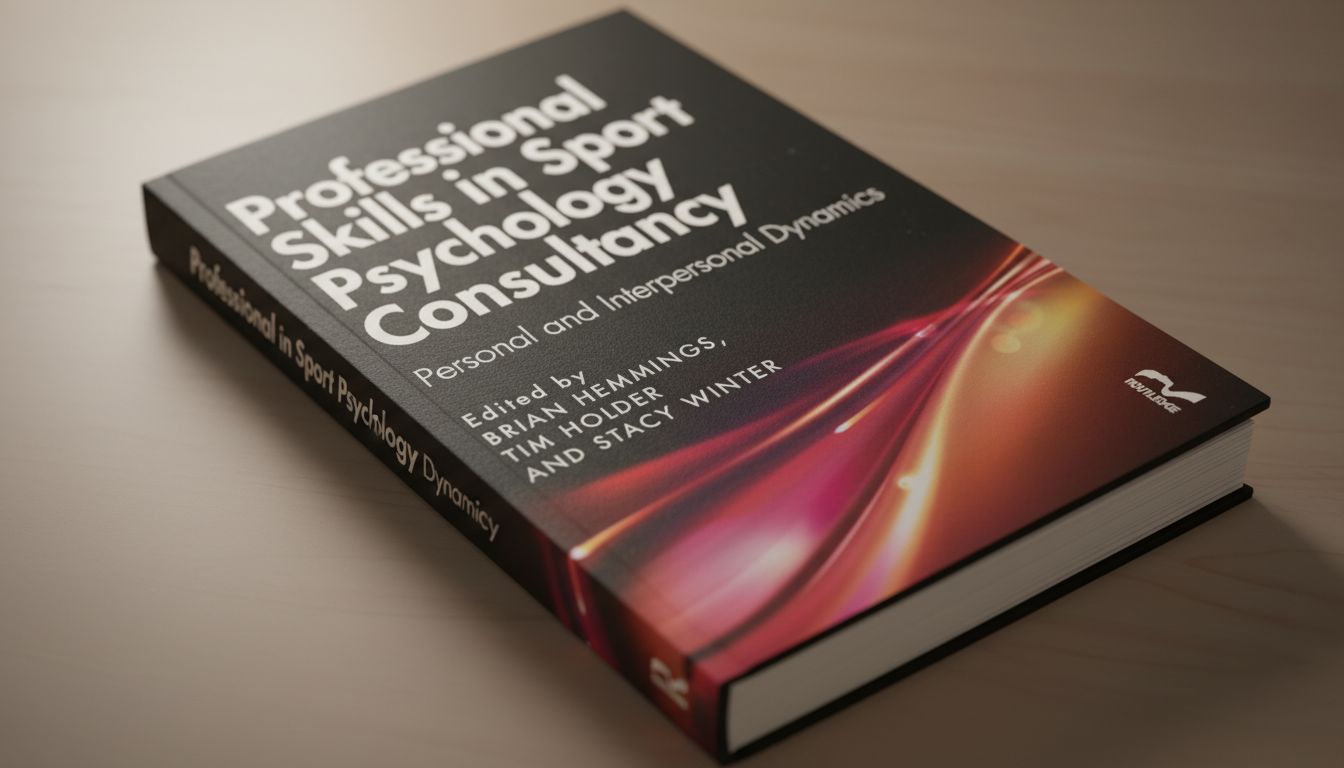
For students and practitioners, the best sports psychology books shift toward theory and research. Sport Psychology: Theory, Applications and Issues edited by Morris and Summers provides comprehensive academic coverage. Applied Sport Psychology edited by Williams and Krane covers the research base for specific interventions. Counseling Athletes by Davis, McKain, and Levesque addresses the clinical dimensions of working with competitive athletes.
Sports psychology internships are the main route from academic training to applied practice. AASP’s Certified Mental Performance Consultant credential requires supervised hours, and most of those hours are accumulated through internship placements with athletic programs. University athletic departments, national Olympic programs, and some professional sport franchises offer structured internship positions. Sports psychology internships at the elite sport level are competitive, requiring demonstrated academic preparation and often prior volunteer experience.
What distinguishes good sports psychology internships from weak ones is the quality of supervision and the range of applied work available. An intern who spends six months observing and assisting a senior practitioner across multiple sports will develop more quickly than one placed primarily in administrative tasks. When evaluating sports psychology internships, the supervising practitioner’s credentials, the types of athletes served, and the range of assessment and intervention work available are the most important factors.
Pro tips recap: Start with the best sports psychology books for your primary audience, student or practitioner, and build toward applied work systematically. Seek sports psychology internships with named supervisors who hold CMPC credentials. And engage with the history of sports psychology early: it provides context for why current practices exist and which elements have the strongest evidence base.