Resilience Symbol: What Symbols for Strength and Resilience Mean Today
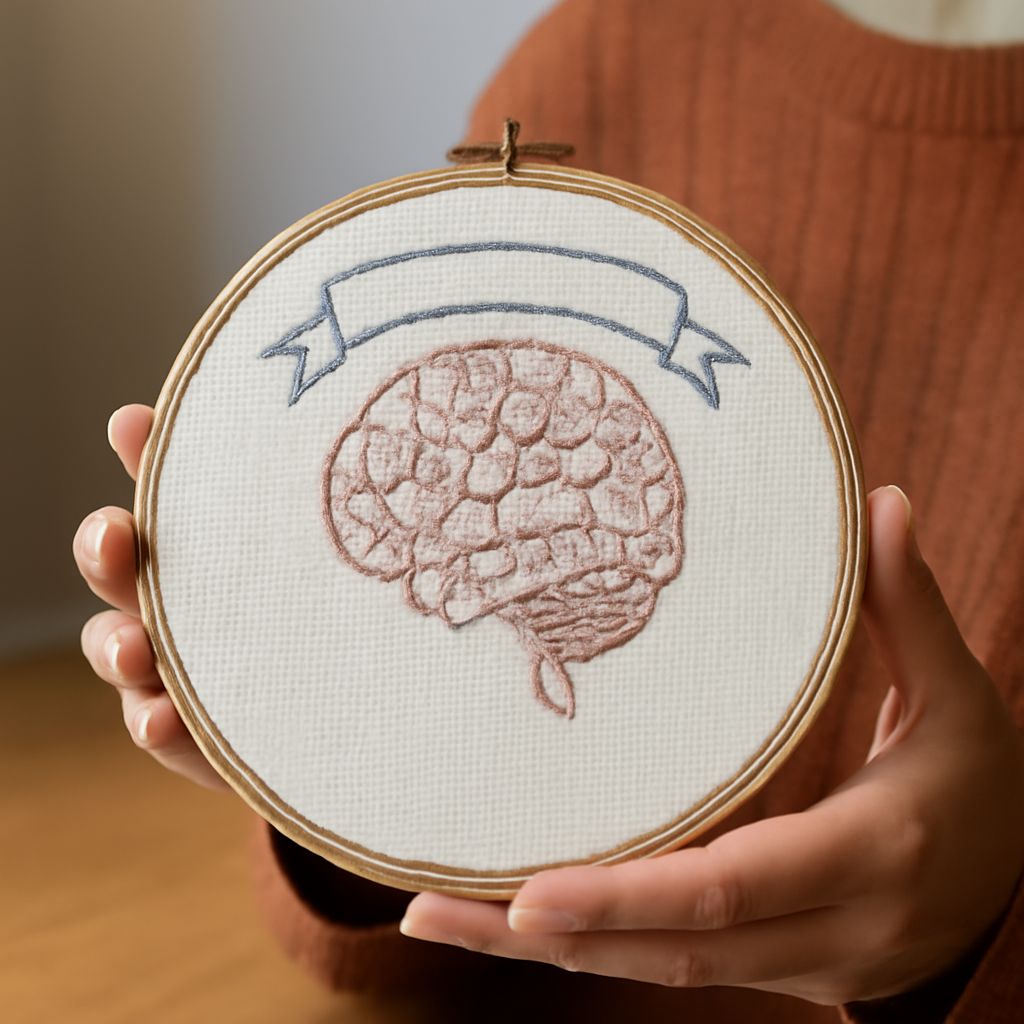
A resilience symbol can mean different things depending on the context. Some people wear a specific symbol for strength and resilience as jewelry or tattoo work. Others encounter these symbols through resilience counseling, where therapists use visual anchors to support recovery. Understanding the resilience factors that help people recover from hardship is itself a form of symbolic work. And the relationship between risk and resilience is central to how mental health professionals approach treatment today.
This article examines the most recognized symbols, why they matter psychologically, and how counselors use them in practice. It also looks at what the research says about resilience factors and how risk interacts with the capacity to recover.
What Makes a Resilience Symbol Meaningful
A symbol gains meaning through repetition and association. The lotus flower, for example, became a resilience symbol in many Asian traditions because it grows from muddy water and produces clean, beautiful blooms. The image carries a message: hardship does not prevent growth, it sometimes makes it possible.
Other common symbols include the phoenix, the anchor, the infinity knot, and the semicolon. Each carries a specific narrative. The semicolon became a mental health symbol because a writer uses it when they could have ended a sentence but chose to continue. That choice-to-continue metaphor resonates with people who have faced suicidal crises.
What matters is not the symbol itself but what it activates in the person using it. A meaningful resilience symbol works as a prompt, a quick visual cue that brings a larger personal narrative into focus during difficult moments.
Symbol for Strength and Resilience in Cultural Context
The symbol for strength and resilience varies across cultures. In Norse tradition, the Vegvisir, a runic compass, represented finding one’s way through storms. In West African Adinkra symbolism, the Dwennimmen (ram’s horns) represents strength combined with humility. Japanese culture offers the kintsugi practice, repairing broken pottery with gold, as a visual symbol for strength and resilience that honors rather than hides damage.
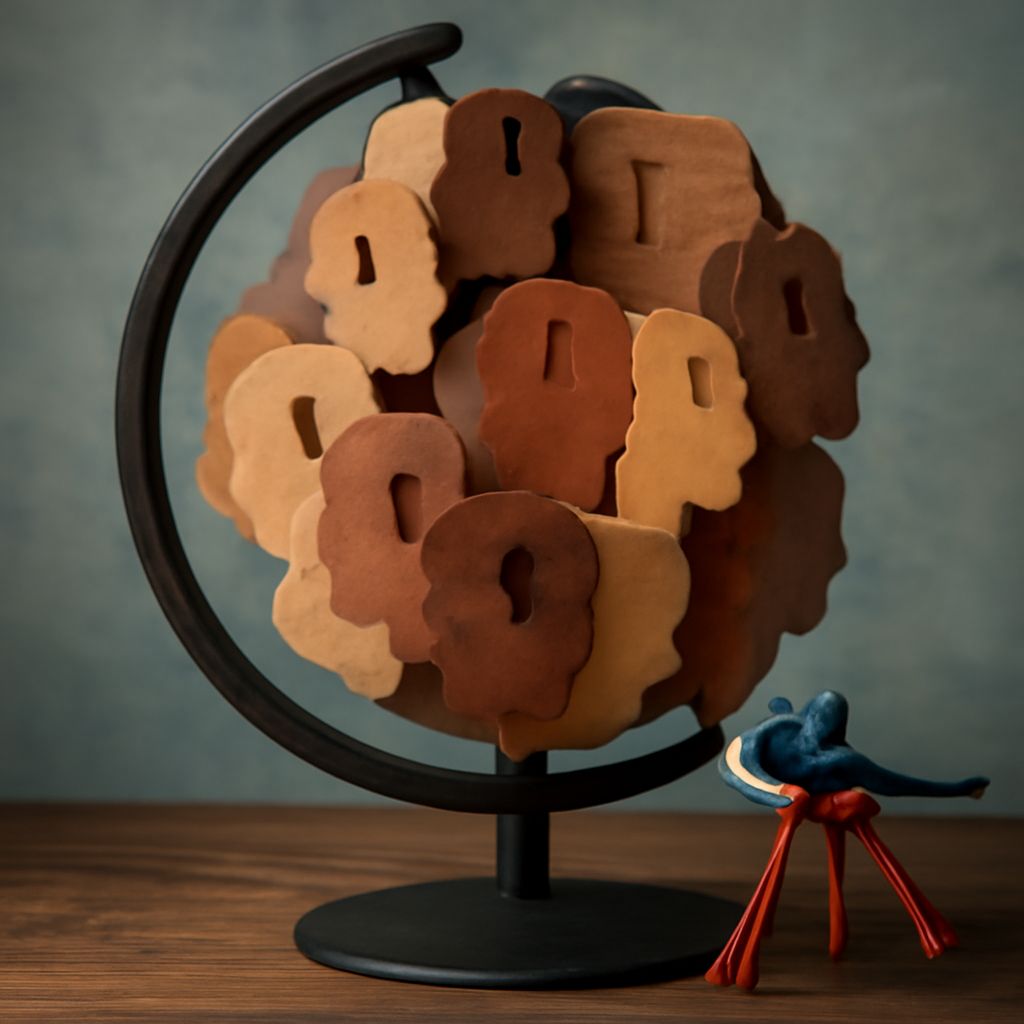
These cultural differences matter. Mental health practitioners working with diverse populations increasingly recognize that a symbol drawn from outside a client’s cultural background may feel hollow or even appropriative. Effective resilience work starts with asking what images and metaphors carry genuine weight for that particular person.
Resilience Counseling: Using Symbols in Therapeutic Practice
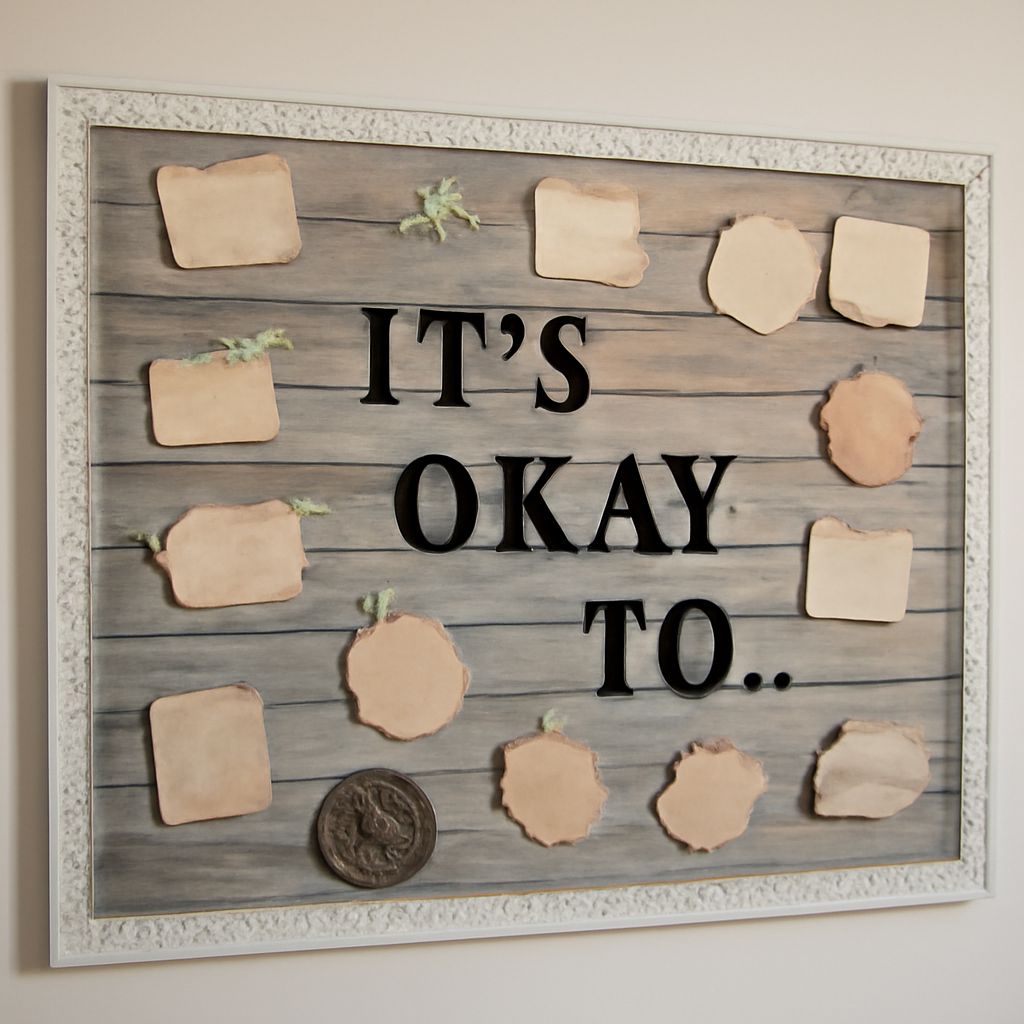
In resilience counseling, therapists use symbols and metaphors as concrete anchors during the abstract process of rebuilding. A client who has survived domestic violence might choose a particular resilience symbol to represent their capacity to rebuild. Revisiting that symbol during difficult weeks provides continuity and a reminder of previously demonstrated strength.
This technique draws on narrative therapy and acceptance and commitment therapy (ACT), both of which use physical objects and images to externalize internal struggles. Resilience counseling does not require clients to simply feel better. It asks them to build new associations, new stories about who they are in relation to their past.
The evidence for symbol-based interventions in therapy is largely qualitative, but the broader body of research on resilience counseling methods, including cognitive behavioral approaches, mindfulness, and strengths-based work, is solid. Symbols function within those frameworks as memory aids and commitment devices.
Resilience Factors: What the Research Shows
Resilience factors are the internal and external resources that help people recover from adversity. Research consistently identifies several key factors: strong social connections, a sense of purpose or meaning, adaptive thinking styles, and access to resources including healthcare and stable housing.
One important finding is that resilience factors are not fixed traits. They are learnable and buildable. This directly counters the popular misconception that some people are just naturally resilient while others are not. Therapy, community programs, and even symbolic practices all build genuine resilience factors over time.
The APA and other professional bodies have identified specific resilience factors that practitioners can actively target in treatment. These include emotional regulation skills, problem-solving capacity, optimism calibrated to realistic assessments, and the ability to seek help. Each of these can be deliberately trained.
Risk and Resilience: Two Sides of the Same Research
The field of risk and resilience research grew out of studies examining why some children from high-risk backgrounds develop well while others do not. Emmy Werner’s longitudinal Kauai study in the 1950s-70s was foundational. She found that children with even one stable adult relationship were far more likely to recover from childhood adversity.
Risk and resilience are not opposites on a simple scale. High-risk environments can, in some cases, build specific competencies. What matters is the balance: enough protective factors to offset exposure to harm. This is why resilience counseling focuses not just on reducing risk but on building protective resources.
Applying Resilience Symbols in Daily Life
Outside formal counseling, resilience symbols appear in everyday choices. A person might select a specific screensaver image that functions as a quiet daily reminder of their recovery. Someone else might choose a piece of jewelry that recalls a meaningful moment in their healing process.
The key is intentionality. A symbol for strength and resilience works when the person wearing or viewing it has a conscious association between the image and a personal narrative. Without that conscious link, the symbol is just decoration.
If you are exploring resilience work on your own, starting with a symbol that already carries meaning in your life, a family photo, a piece of music, a particular place, is more effective than adopting someone else’s symbol. Build outward from what already resonates. That is how resilience counseling works at its best, and it is how the everyday use of symbols can do genuine psychological work.