Humanistic Psychology Example: Real Applications and What the Approach Emphasizes
A humanistic psychology example shows how this approach focuses on personal growth, self-actualization, and the inherent worth of every individual. Humanistic psychology examples appear in therapy, education, and organizational settings where the goal is to help people reach their full potential rather than simply reduce symptoms. Industrial organizational psychology examples draw on humanistic principles when designing workplaces that motivate employees through meaning and autonomy rather than just reward and punishment. Examples of humanistic psychology include client-centered therapy, positive psychology interventions, and person-centered educational models. Humanistic psychology emphasizes the importance of subjective experience, free will, and the drive toward self-actualization — a perspective that contrasts sharply with the behavioral and psychoanalytic traditions that preceded it.
This article walks through the theory and practical applications of humanistic psychology in multiple contexts.
Core Principles in Every Humanistic Psychology Example
What Humanistic Psychology Emphasizes the Importance of
Every humanistic psychology example rests on a shared set of assumptions. First, people are inherently motivated toward growth. Second, subjective experience is a valid and important source of psychological data. Third, the whole person matters — not just behavior, not just unconscious drives, but the full lived experience of a thinking, feeling human being.
Humanistic psychology emphasizes the importance of conditions that allow growth: unconditional positive regard, empathic understanding, and genuine congruence between a therapist’s inner experience and outward expression. These are Carl Rogers’ three core conditions for effective therapy. They apply in any humanistic psychology example drawn from clinical practice.
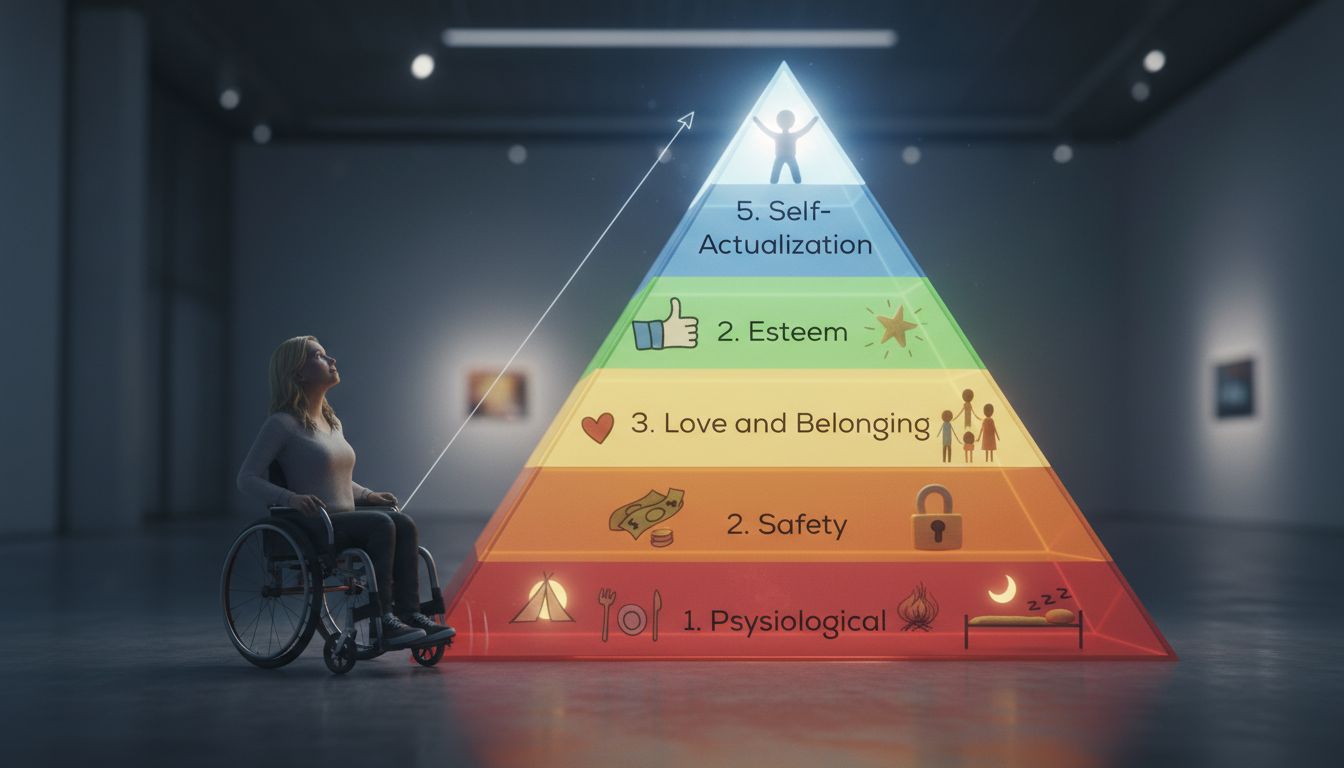
Abraham Maslow’s hierarchy of needs is another foundational framework. Humanistic psychology examples that draw on Maslow focus on identifying which needs are unmet and creating conditions to meet them progressively. Self-actualization — the highest level — is not a fixed destination but an ongoing process of becoming more fully oneself.
Humanistic Psychology Examples in Therapy and Education
Client-centered therapy is the most widely recognized humanistic psychology example in clinical practice. In this approach, the therapist does not direct or interpret. Instead, they create a space where the client can explore their own experience with minimal judgment. Examples of humanistic psychology in session might include a therapist reflecting feelings back to a client, helping them articulate what they already sense but have not yet expressed.
In education, humanistic psychology examples include student-led learning, portfolio assessment, and social-emotional learning (SEL) programs. These approaches treat students as whole people whose emotional and social development matters as much as academic performance. Teachers trained in humanistic principles focus on building trust and autonomy rather than compliance.
Humanistic psychology emphasizes the importance of intrinsic motivation over external reward. This has direct implications for classroom design. When students choose their projects, explore topics that genuinely interest them, and receive feedback that respects their autonomy, engagement improves. The humanistic psychology example here is not just theoretical — it is the structure of the best classrooms and learning environments.
Industrial Organizational Psychology Examples Rooted in Humanistic Principles
Industrial organizational psychology examples that draw on humanistic psychology include job enrichment programs, participatory management, and strengths-based performance reviews. All of these reflect humanistic psychology emphasizes the importance of meaning, autonomy, and human dignity at work.
Frederick Herzberg’s motivation-hygiene theory is one of the most influential industrial organizational psychology examples with humanistic roots. Herzberg found that factors like recognition, responsibility, and achievement drive genuine job satisfaction. Hygiene factors like salary and physical conditions prevent dissatisfaction but do not create motivation. This maps directly onto humanistic ideas: people need more than comfort — they need growth.
Contemporary examples of humanistic psychology in organizational settings include purpose-driven company cultures, employee voice programs, and manager training focused on empathy and psychological safety. These are not soft extras — research consistently links them to lower turnover, higher productivity, and better customer outcomes.
Next steps
Explore examples of humanistic psychology in your own context. If you are a clinician, consider adding client-centered techniques to your practice. If you work in education or organizational development, identify one humanistic psychology example from this article that could be adapted to your current environment. A small shift toward autonomy and meaning — the core of what humanistic psychology emphasizes the importance of — can produce meaningful results quickly.