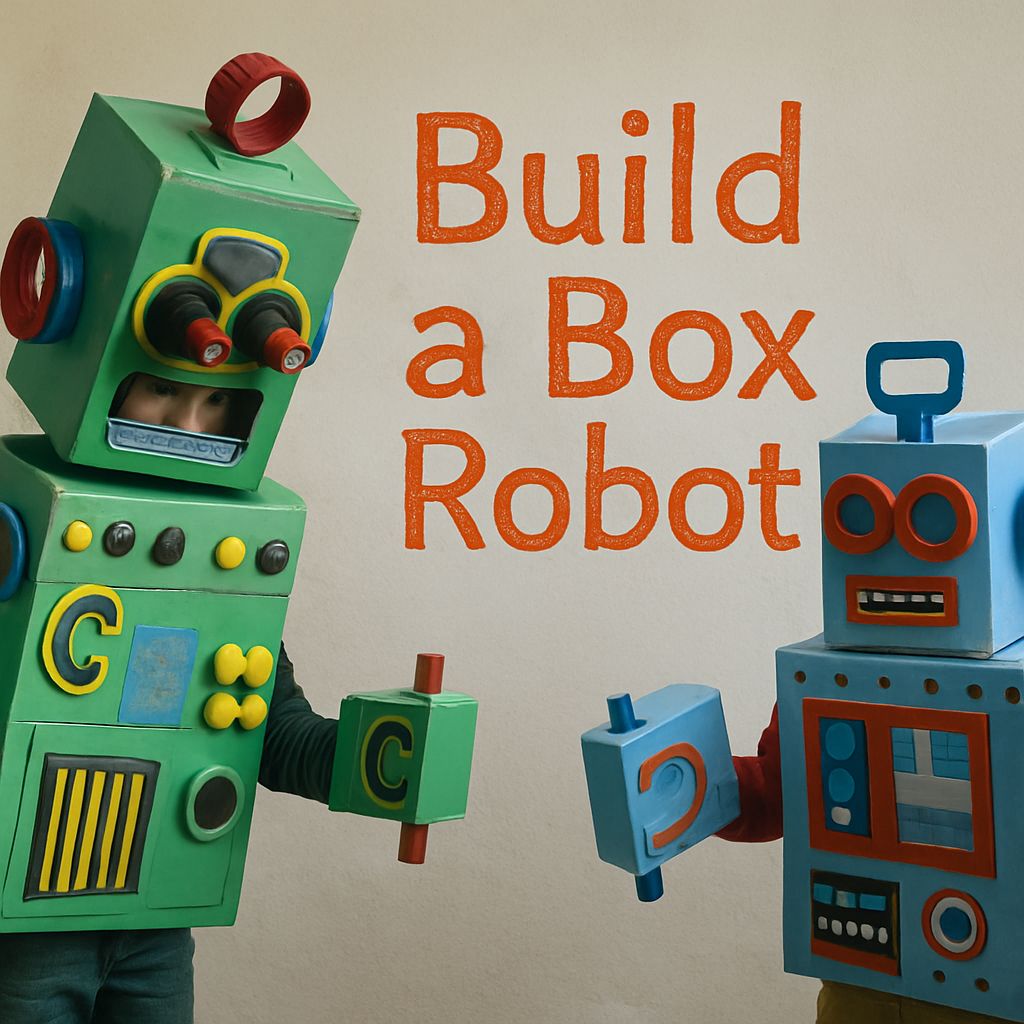
Robot Costume Guide: How to Build or Buy the Perfect Look
A great robot costume does not have to cost a fortune or require engineering skills. The classic robot suit aesthetic — boxy shapes, metallic surfaces, blinking lights — is achievable with materials from hardware and craft stores. Whether you want coordinating robot costumes for a group or a single standout look, the design process starts with the same question: build or buy? An adult robot costume that you make yourself can be more impressive and unique than anything off the shelf. And for groups looking for coordinated robot costumes for adults, DIY gives you complete control over color schemes, scale, and detail.
This guide covers both paths — DIY construction and what to look for when buying — so you can make the right call for your time, budget, and skill level.
How to Build a Robot Costume From Scratch
Materials, Tools, and Assembly Tips
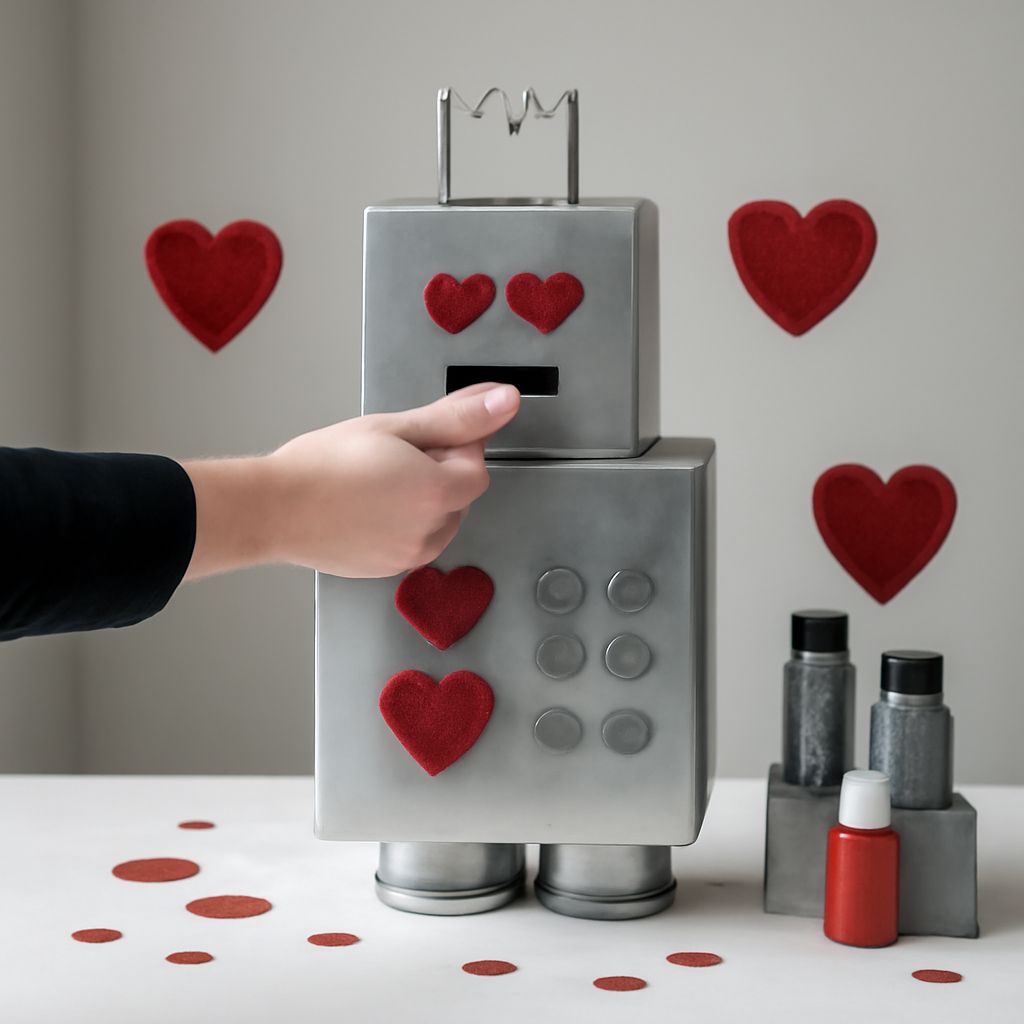
The core material for most DIY robot costume builds is cardboard — specifically large shipping boxes. Cardboard is lightweight, easy to cut, easy to paint, and free if you collect it from appliance stores or retail departments. You will need a craft knife or box cutter, silver or metallic spray paint, hot glue, and whatever decorative elements you want to add: LED lights, foam pipe insulation cut into ridges, bottle caps, and painted dowels all work well.
For a basic robot suit build, you need three main pieces: a torso box (wearable like a sandwich board), a head box with cutout for your face, and arm coverings made from painted cardboard tubes or rigid foam. Shoulder pieces can be made from smaller boxes attached to the torso. The fit matters — make sure you can walk, sit, and use your hands before calling the build complete.
Metallic spray paint is the fastest way to elevate a cardboard robot costume from craft project to actual costume. Two light coats of silver or gunmetal, let dry between coats, produces a finish that photographs well and looks convincing from a short distance. Add craft LED strips powered by a small battery pack for extra visual impact — these attach with hot glue and run for hours on AA batteries.
Buying an Adult Robot Costume: What to Look For
Quality, Fit, and Features
When buying an adult robot costume, the key variables are material durability, articulation (how much you can move in it), and how it photographs. Many commercially available robot costumes for adults use lightweight molded plastic or metallic-finish fabric. Fabric versions are more comfortable but look less convincing. Molded plastic and foam versions look better but can restrict movement.
Check the sizing carefully before ordering. Most adult costume sizing runs smaller than clothing sizes. If you are between sizes, size up — a slightly large costume is easier to wear than one that is too tight. For group robot costumes where you want matching appearances, order all pieces from the same manufacturer to ensure color and finish consistency.
LED and light-up features on commercially available robot costumes for adults vary widely in quality. Some use simple flashing lights on a timer; others have interactive elements that respond to sound or movement. If the lights are central to your costume concept, check product reviews specifically for battery life — some light systems drain within two to three hours, which is a problem for a full evening event.
Robot Costumes for Groups and Themed Events
Coordinated robot costumes for a group create a strong visual impact with relatively low individual effort. Each person can wear a slightly different version — one silver, one gold, one black — while maintaining a unified aesthetic. Agree on the overall color palette and one shared design element (matching shoulder pieces, same head box shape) and let individual details vary.
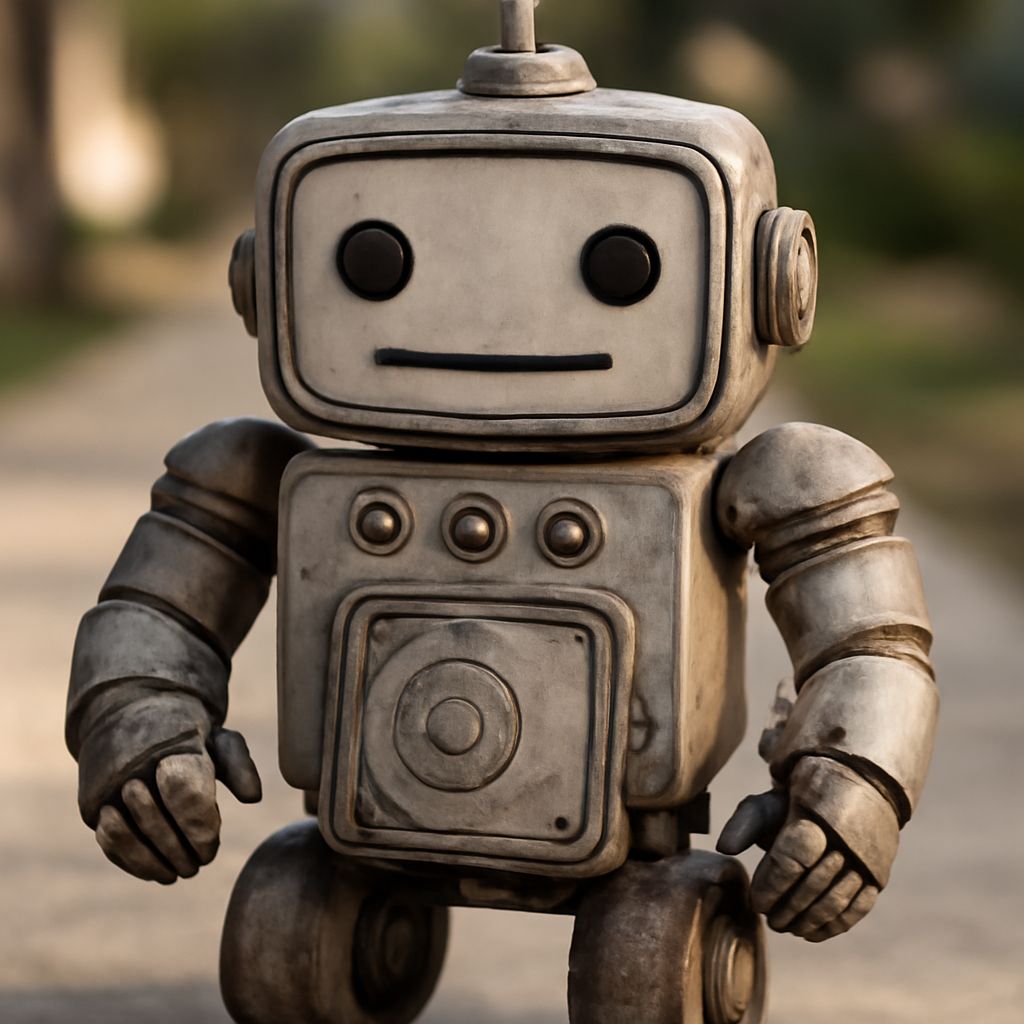
For themed events, a robot suit can be adapted to match specific aesthetics. A retro 1950s sci-fi robot uses chrome paint, rivets, and round porthole windows cut into the head box. A military-style robot uses olive drab paint and angular shapes. A friendly consumer robot uses bright colors, rounded edges, and a face design with large circular eyes. The base construction is the same — the art direction changes the effect entirely.
If you are building robot costumes for a performance, school production, or recurring event, invest in better materials from the start: foam board instead of cardboard, proper metallic paint instead of spray can, and LED controllers you can program rather than simple battery units. These upgrades cost more upfront but produce costumes that last multiple uses and hold their shape better throughout the event.