AP Psychology Terms: Your Complete Unit 3 Vocabulary and Study Guide
Mastering ap psychology terms is essential for doing well on the AP exam and in any college psychology course. AP psychology unit 3 focuses on sensation and perception — a dense but fascinating area of the curriculum. Building a solid grasp of ap psychology vocab in this unit means understanding how we detect, process, and interpret sensory information. The ap psychology unit 3 vocab includes concepts that appear repeatedly on the AP exam, so getting these right early pays off. Many students find that ap psychology powerpoints and visual study aids help lock in abstract perceptual concepts more quickly than text alone.
This guide walks you through the key terms in Unit 3 and how to use multiple study methods together.
Core AP Psychology Unit 3 Terms: Sensation and Perception
From Threshold to Perceptual Set
The most heavily tested ap psychology unit 3 concepts cluster around thresholds, sensory processing, and perceptual interpretation. These ap psychology terms form the backbone of the unit:
- Absolute threshold — the minimum stimulus intensity needed to detect a stimulus 50% of the time
- Difference threshold (JND) — the minimum difference between two stimuli needed to detect a change 50% of the time; Weber’s law applies here
- Signal detection theory — the idea that detecting a stimulus depends not just on its intensity but on psychological factors like expectation and alertness
- Sensory adaptation — the reduced sensitivity to a constant stimulus over time (why you stop noticing background noise)
- Transduction — the conversion of sensory stimuli into neural impulses
- Bottom-up processing — perception driven by the raw sensory data itself
- Top-down processing — perception shaped by prior knowledge, experience, and expectations
- Perceptual set — a mental predisposition that shapes what we perceive
These ap psychology unit 3 vocab terms are the ones most likely to appear in multiple-choice questions and free-response prompts. Know the definition precisely — AP graders expect specific language, not paraphrase.
Vision and Hearing: Critical AP Psychology Vocab
Anatomy and Processing in Sensory Systems
Vision and hearing get the most attention in Unit 3 because they have the most detailed anatomical content. These are essential ap psychology vocab terms from those two systems:
Vision:
- Rods — photoreceptors for low-light, peripheral, and black-and-white vision
- Cones — photoreceptors for color and fine detail; concentrated in the fovea
- Fovea — the central point of sharpest vision on the retina
- Blind spot — the area on the retina where the optic nerve exits; has no photoreceptors
- Feature detectors — specialized neurons that respond to specific visual features (edges, angles, movement)
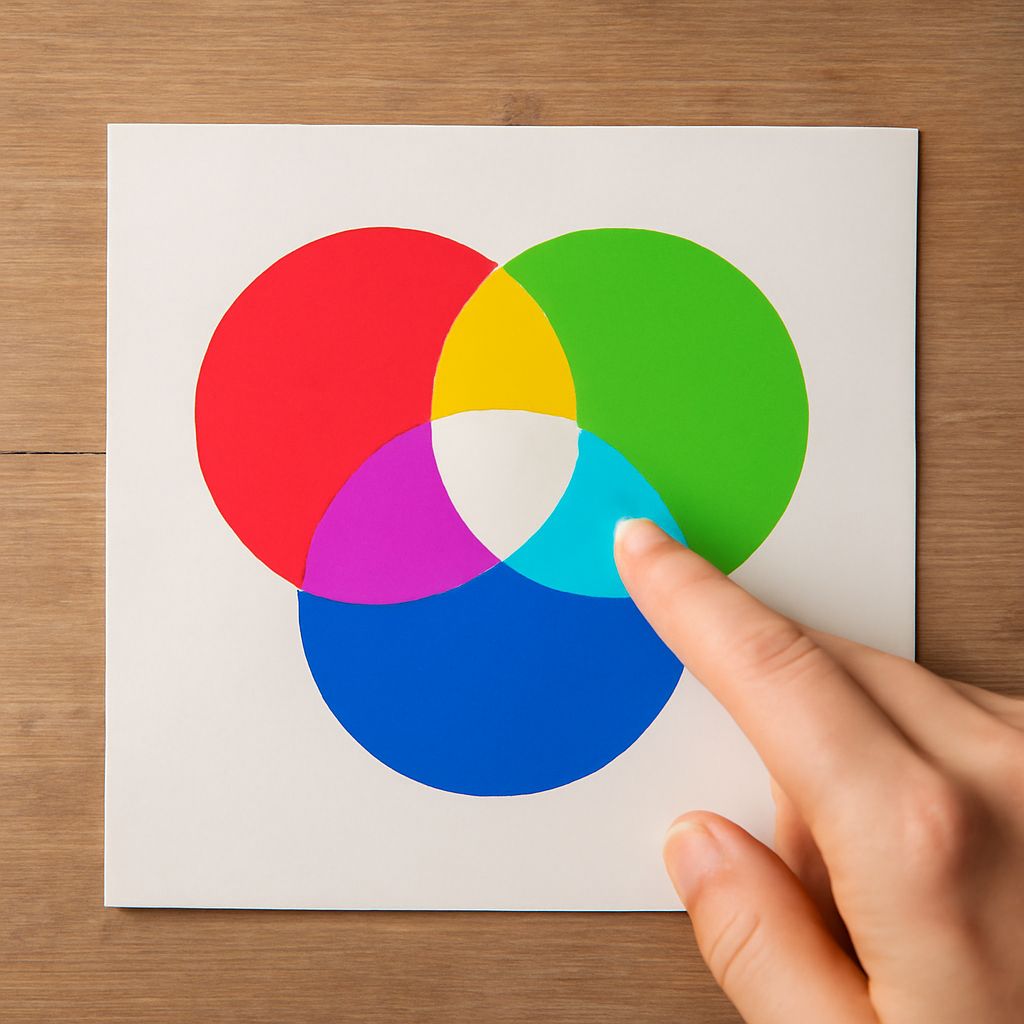
- Trichromatic theory — color vision based on three types of cones (red, green, blue)
- Opponent-process theory — color vision explained by opposing pairs (red-green, blue-yellow, black-white)
Hearing:
- Cochlea — the fluid-filled, coiled structure in the inner ear that transduces sound waves
- Place theory — different pitches activate different locations on the basilar membrane
- Frequency theory — the rate of nerve firing corresponds to pitch
- Conduction deafness — hearing loss from mechanical damage in the outer or middle ear
- Sensorineural deafness — hearing loss from damage to the cochlea or auditory nerve
How to Use AP Psychology Powerpoints Effectively
AP psychology powerpoints provided by teachers or found through AP Classroom are valuable study tools, but only if you use them actively. Reading slides passively does not build retention. Instead, cover the definition side and try to recall terms from the concept alone, or do the reverse. This retrieval practice technique — tested in dozens of memory studies — produces stronger long-term memory than re-reading the same material.
Many teachers’ ap psychology powerpoints include diagrams of the eye and ear, visual illusion examples, and Gestalt grouping principles. These visuals are especially useful because perceptual concepts are genuinely easier to grasp with images than with text alone. Print or screenshot the most important diagrams and include them in your study notes alongside written definitions.
Combine AP psychology powerpoints with practice free-response questions. The College Board releases official FRQs from previous years. Find a Unit 3 FRQ, answer it using only your memory, then compare your response against the scoring guidelines. This reveals exactly which ap psychology terms you know well and which ones need more work.
Building Your Unit 3 Study System
A system that works for most AP students: create a flashcard for every term in the ap psychology unit 3 vocab list. Include the term on one side, definition and an example on the other. Use spaced repetition software like Anki or Quizlet’s spaced review mode. Review cards daily in the weeks before the exam rather than cramming everything into one or two study sessions.
Group related ap psychology vocab together during study — all vision terms in one session, all hearing terms in the next. This thematic grouping reduces interference between similar-sounding terms (like rods versus cones, or place theory versus frequency theory) and builds a more organized mental map of the unit’s content.