Future Simple French: Conjugation, Uses, and Real-World Applications
The future simple french tense is one of the most useful structures you can learn. It lets you talk about what will happen, make predictions, and express certainty about upcoming events. The french future simple is formed differently from English — instead of using an auxiliary verb like “will,” French adds endings directly to the infinitive. The topics that intersect with this tense are also wide: from everyday plans to how analysts discuss future medical technology, future military capabilities, and future sports competitions. Learning this tense is practical whether you want to discuss tomorrow’s dinner plans or tomorrow’s tech developments in French.
This guide covers how to form the futur simple, when to use it, and how to make your French sound natural across different topics.
How to Form the Future Simple French Tense
Regular Verbs and Their Endings
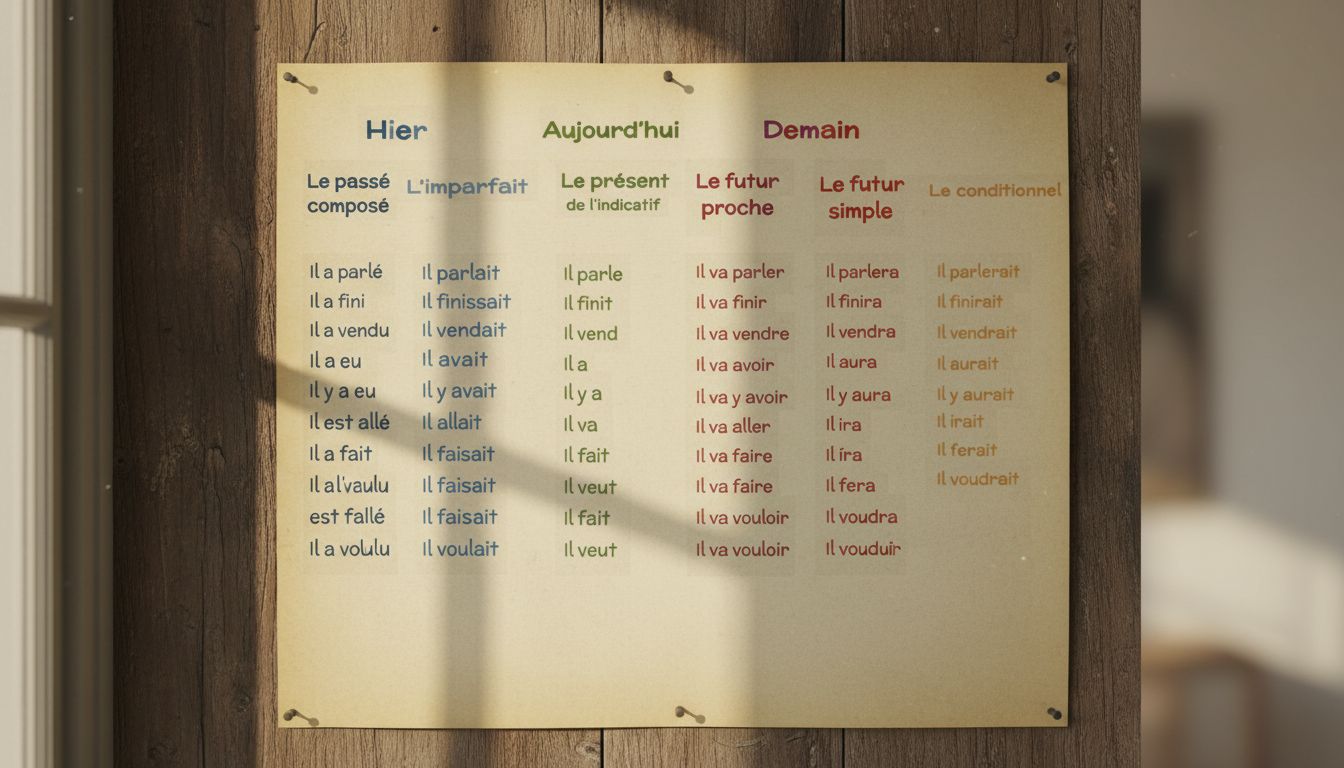
The future simple french uses the infinitive as the base for most verbs. You add these endings: -ai, -as, -a, -ons, -ez, -ont. For regular -er and -ir verbs, you keep the full infinitive. For -re verbs, you drop the final e before adding endings.
Examples with parler (to speak): je parlerai, tu parleras, il parlera, nous parlerons, vous parlerez, ils parleront. With finir (to finish): je finirai, tu finiras, and so on. With vendre (to sell): the stem becomes vendr-, so je vendrai.
The endings are the same for every verb, regular or irregular. Only the stem changes for irregular verbs. This regularity makes the french future simple endings easy to memorize once you have drilled them a few times.
Irregular Stems You Must Know
High-Frequency Verbs With Unique Stems
Certain high-frequency verbs in the future simple french use irregular stems. You cannot derive these from the infinitive — you must memorize them. The most important ones are:
- être → ser- (je serai — I will be)
- avoir → aur- (tu auras — you will have)
- aller → ir- (il ira — he will go)
- faire → fer- (nous ferons — we will do)
- venir → viendr- (elle viendra — she will come)
- pouvoir → pourr- (vous pourrez — you will be able)
- vouloir → voudr- (ils voudront — they will want)
Once you know these stems, you just apply the standard endings. The french future simple is more consistent than English future constructions once you have the irregular stems locked in.
When to Use the Futur Simple in French
The future simple french is used in three main situations. First, for firm predictions or scheduled events: Le match aura lieu vendredi (The match will take place on Friday). Second, for polite requests or softened commands: Vous prendrez la première à gauche (You’ll take the first left). Third, in conditional sentences with si clauses: Si tu travailles, tu réussiras (If you work, you will succeed).
When discussing future sports events in French — tournament predictions, athlete transfers, upcoming seasons — the futur simple is the natural choice. Sports commentary in French media uses it constantly. Similarly, when analysts discuss future medical breakthroughs or future military technology in French-language publications, the futur simple carries the weight of prediction and expectation.
Note: French also uses aller + infinitif (the near future) for things happening soon. Je vais manger (I am going to eat) feels more immediate than je mangerai. The futur simple often implies more distance in time or a more definitive certainty.
Practical Sentences Across Topics
Seeing the future simple french applied to real content areas helps it stick. Here are examples across the topics in this article:
Future medical: Les chirurgiens utiliseront des robots dans dix ans. (Surgeons will use robots in ten years.) Ce traitement changera la médecine moderne. (This treatment will change modern medicine.)
Future military: Les drones remplaceront certains pilotes. (Drones will replace some pilots.) La cybersécurité sera une priorité militaire. (Cybersecurity will be a military priority.)
Future sports: L’équipe gagnera le championnat cette année. (The team will win the championship this year.) Les Jeux olympiques auront lieu à Los Angeles en 2028. (The Olympics will take place in Los Angeles in 2028.)
Pro tips recap: Master the standard futur simple endings first — they are the same for every verb. Then memorize the dozen most common irregular stems. Practice by writing one prediction per day in French using the futur simple, covering topics you actually care about. Connecting the tense to real content like future sports or future medical topics makes the grammar feel purposeful rather than abstract.