Poner Future Tense: How to Conjugate It and Use Tenses Confidently
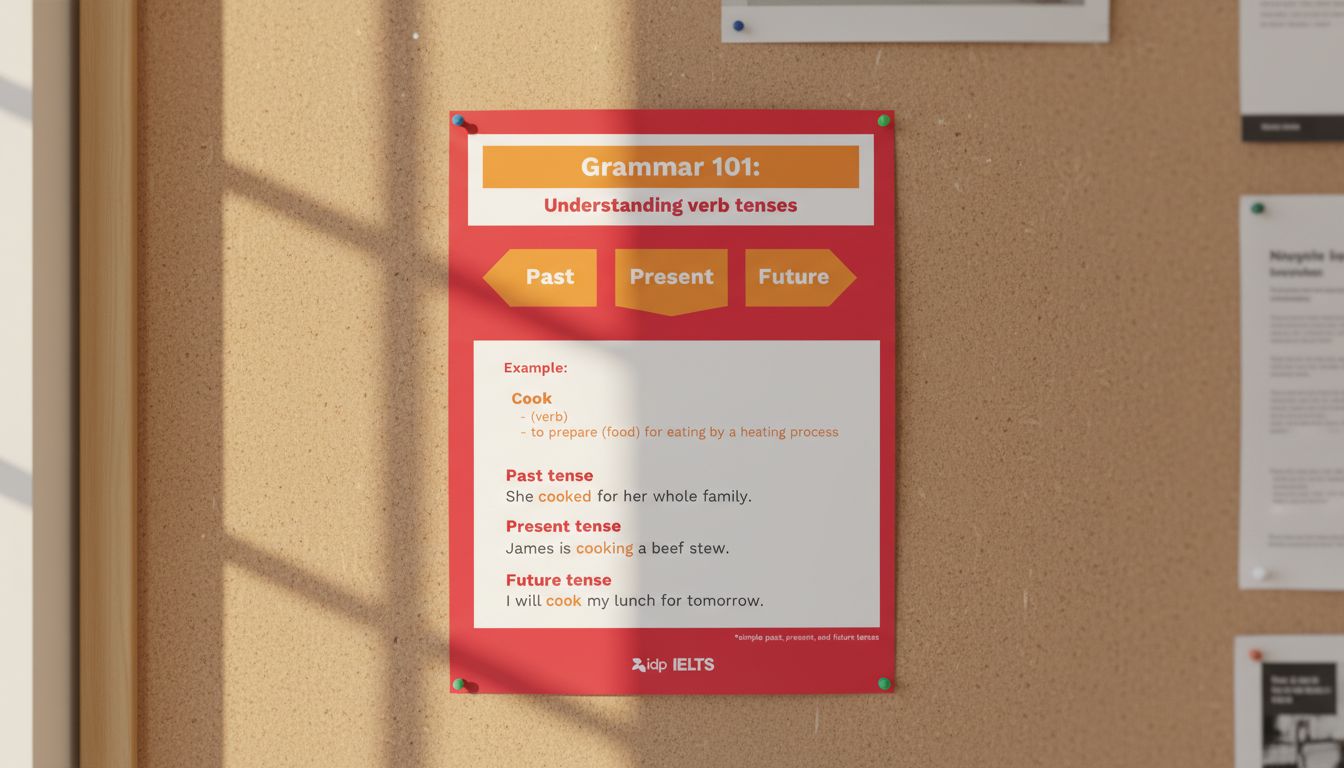
Learning the poner future tense is one of those steps that unlocks a lot in Spanish. Poner is an irregular verb, which means its future stem does not follow the standard pattern. Understanding the past present future tense framework helps you see where poner fits within the broader system of Spanish verb conjugation. Knowing your future tense words and how they signal time makes sentences clearer. The present future tense distinction matters in everyday speech — Spanish speakers use both to talk about upcoming events. And if you are mastering tense across a full timeline, the past tense present tense future tense structure gives you the three pillars every fluent speaker needs.
This article covers the conjugation of poner in the future, how it compares across tenses, and how to use future tense words naturally in Spanish.
Poner Future Tense Conjugation
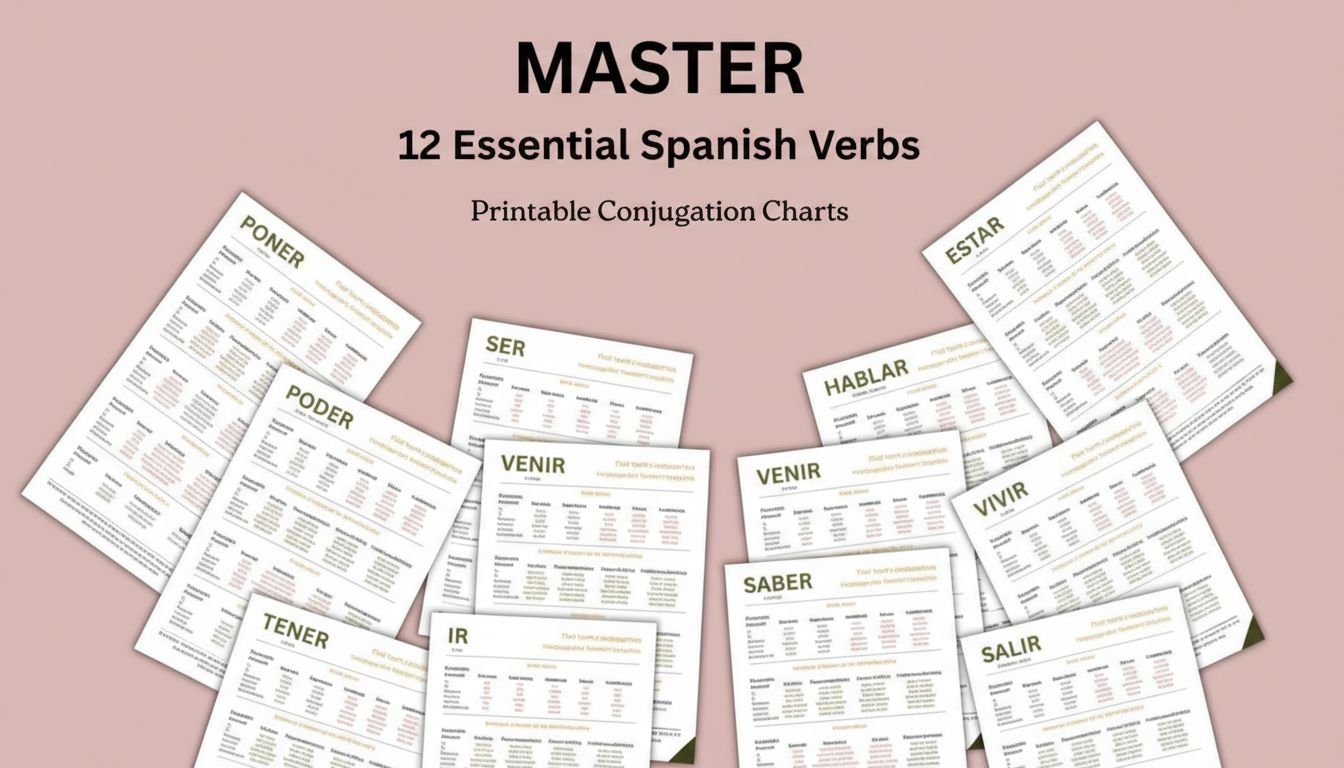
The poner future tense uses an irregular stem: pondr-. You do not use the infinitive ending as the base — instead, Spanish drops the vowel and adds a consonant. This pattern is shared with other common irregular verbs like tener (tendr-), venir (vendr-), and salir (saldr-).
The full conjugation for poner in the simple future tense:
- yo — pondré
- tú — pondrás
- él/ella/usted — pondrá
- nosotros — pondremos
- vosotros — pondréis
- ellos/ellas/ustedes — pondrán
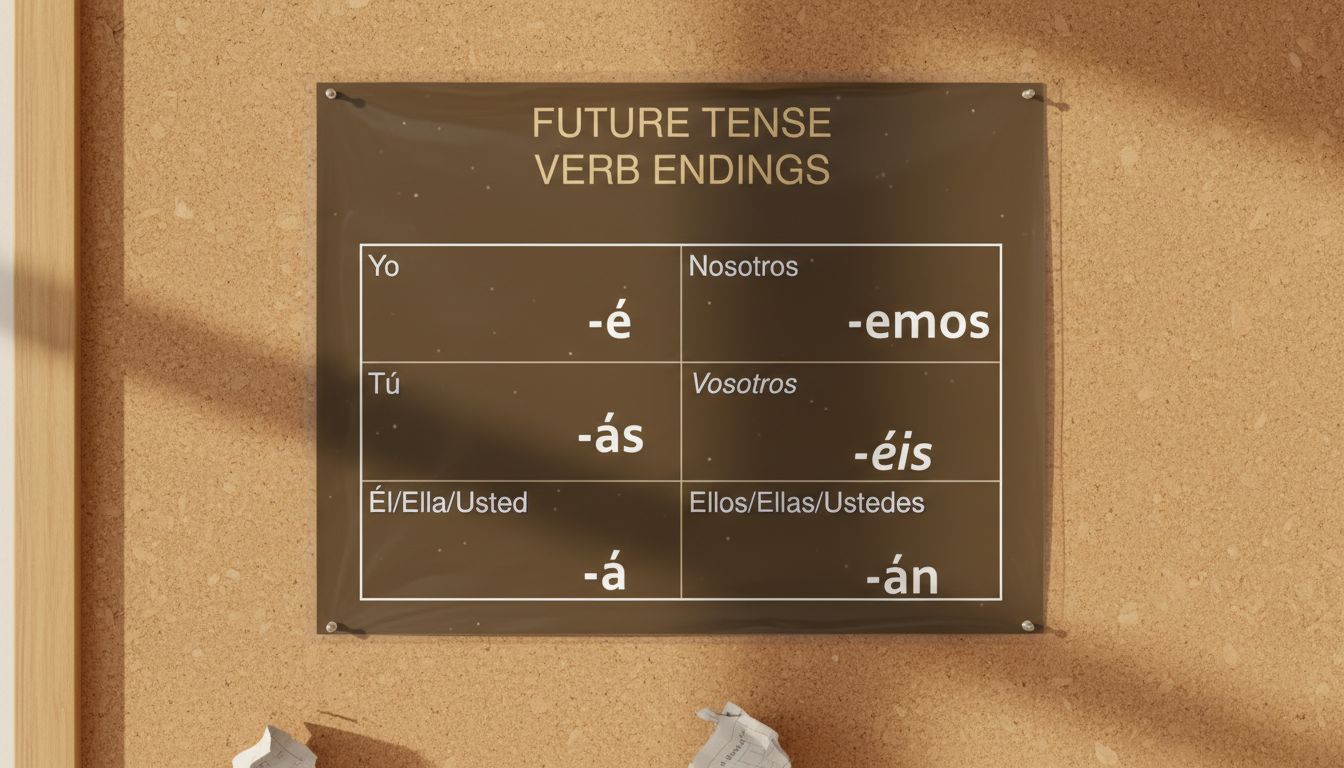
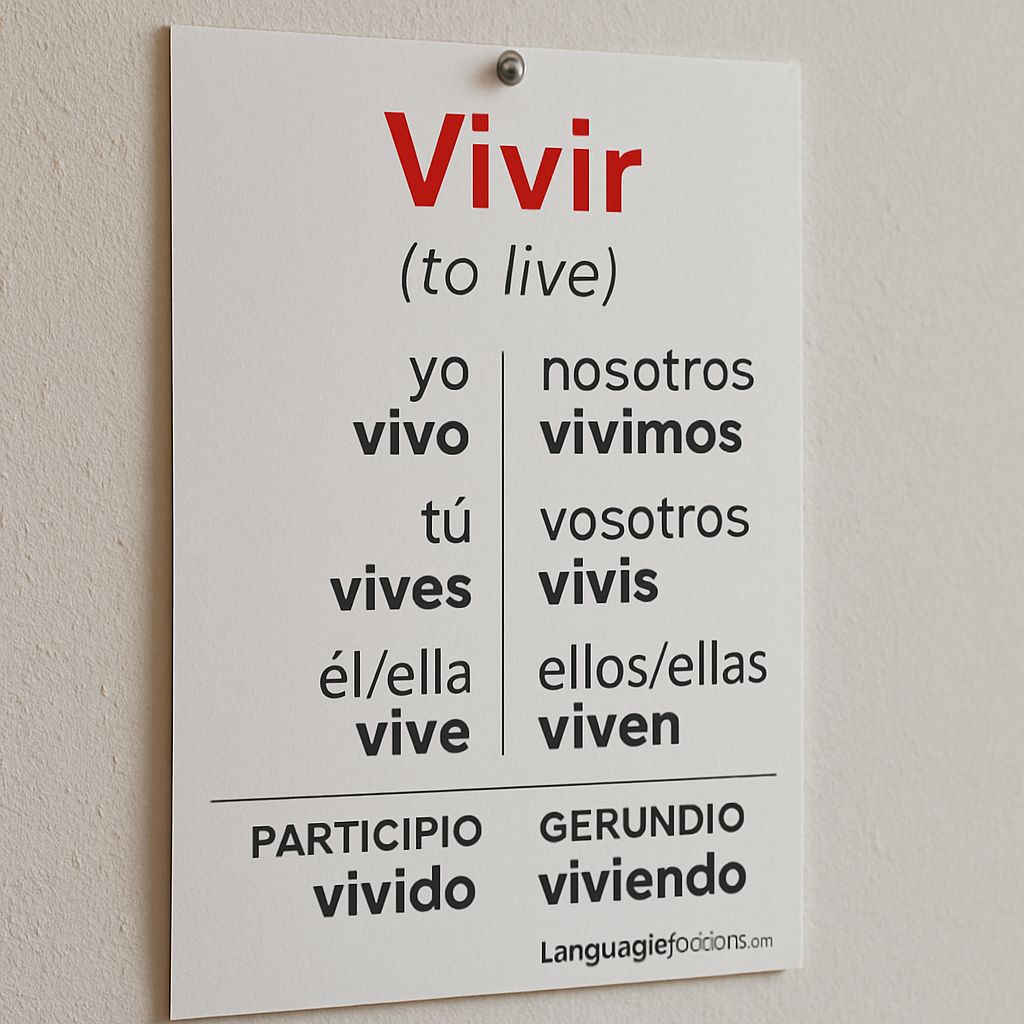
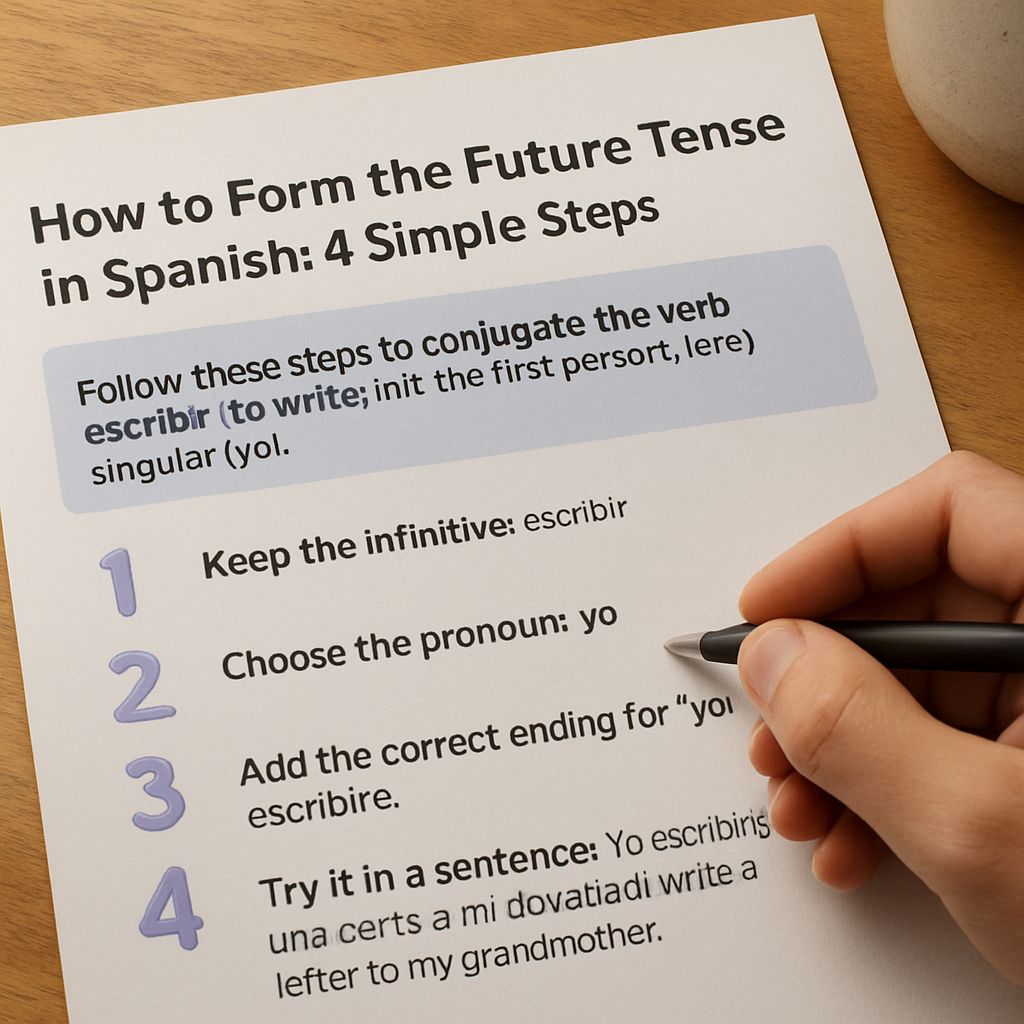
All forms carry a written accent except pondremos. The endings (-é, -ás, -á, -emos, -éis, -án) are the same for all verbs in the future tense, whether regular or irregular. Only the stem changes for irregular verbs like poner. Practice these forms until they feel automatic before moving to more advanced tenses.
Past Present Future Tense in Spanish: The Full Framework
The past tense present tense future tense structure in Spanish is more nuanced than in English because Spanish has multiple past tenses. The preterite describes completed actions. The imperfect describes ongoing or habitual past situations. The present tense handles current actions and habitual routines. The future tense, including the poner future tense forms, covers upcoming events.
Understanding the past present future tense framework helps you choose the right form faster. When you want to say “I put the keys on the table yesterday,” you use the preterite: puse las llaves en la mesa ayer. When you say “I will put the keys there tomorrow,” you use the future: pondré las llaves allí mañana.
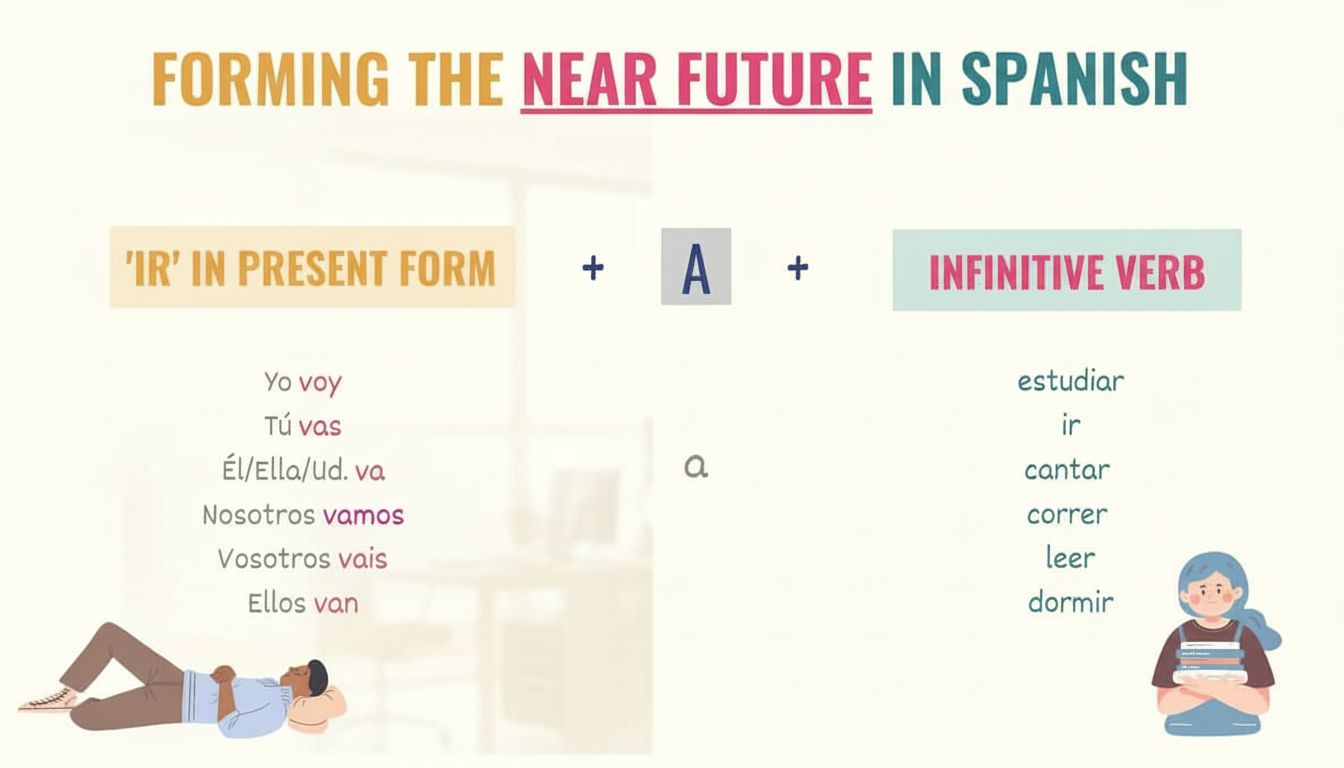
The present future tense distinction matters in spoken Spanish too. You can express future events using the present tense of ir + a + infinitive: voy a poner (I am going to put). This structure is very common in informal speech and often replaces the simple future in everyday conversation.
Future Tense Words That Signal Time in Spanish
Recognizing future tense words in Spanish makes reading and listening much easier. These time markers tell you when an action happens and help you choose the right verb form. Common future tense words and phrases in Spanish include:
- mañana — tomorrow
- la próxima semana — next week
- el año que viene — next year
- pronto — soon
- en el futuro — in the future
- dentro de — within / in (time frame)
These future tense words work alongside conjugated verbs to make the timeline of a sentence clear. When you see mañana at the start of a sentence, you expect a future tense verb to follow. Pairing these time markers with the correct poner conjugation — mañana lo pondré en su lugar (tomorrow I will put it in its place) — produces natural, idiomatic Spanish.
Next steps: Write five sentences using the poner future tense with different subject pronouns. Then write the same sentences using the past tense (preterite) and the present tense to practice the full past present future tense cycle. Add one future tense word to each sentence to reinforce the time signal. Drilling across all three tenses in the same practice session builds the mental flexibility fluent speakers have when shifting between time frames in real conversation.