The Future Is Female: What the Phrase Means and Why It Matters
“The future is female” is a phrase that has moved from a T-shirt slogan to a cultural statement with real weight. “Future is female” captures a shift in how many people think about gender, leadership, and social progress. Understanding the future is female meaning requires looking at where the phrase came from and how its interpretation has evolved. Many people believe women are the future not as a rejection of anyone, but as a recognition of long-standing imbalance. When asked what does the future is female mean, the answers vary — but most center on equity, representation, and possibility.
This article examines the origins, the arguments, and the ongoing debate around this phrase.
Where the Phrase Came From
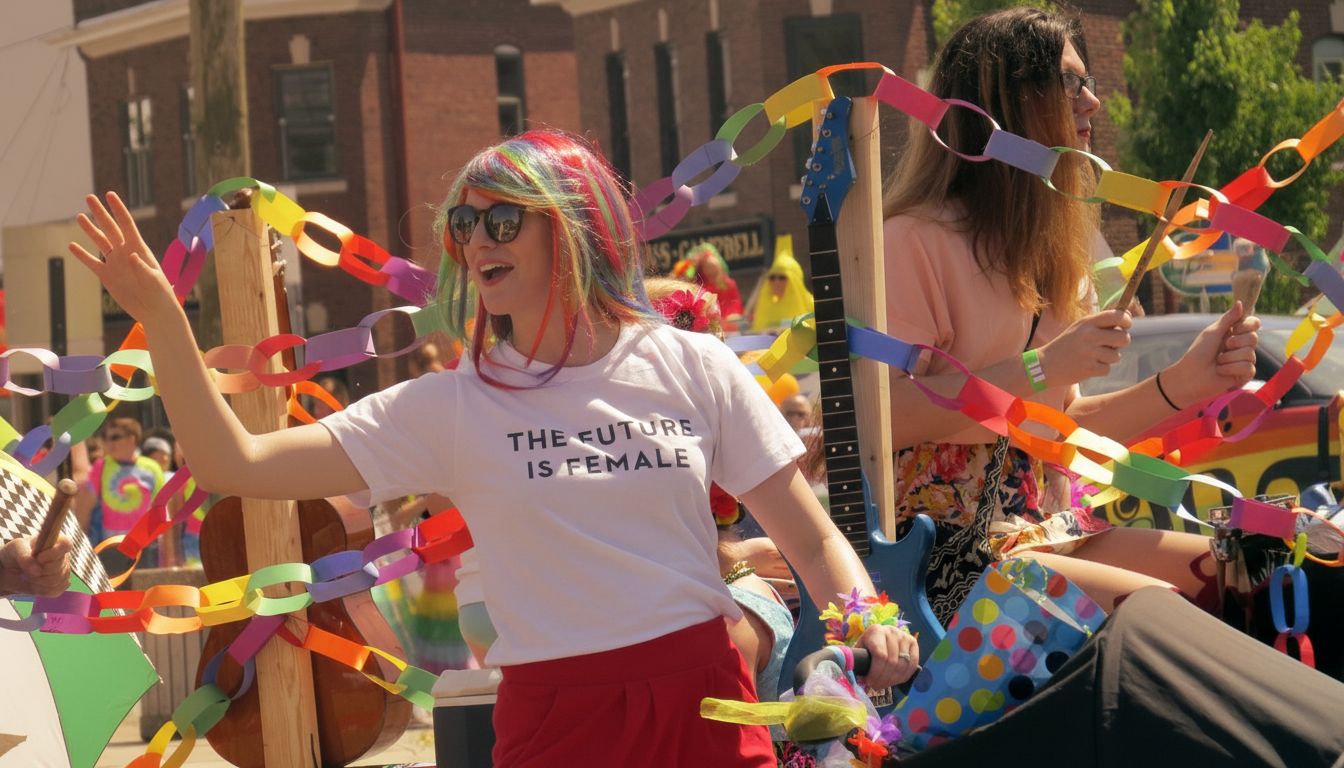
“The future is female” first appeared in the 1970s on a T-shirt sold by Labyris Books, a feminist bookstore in New York City. The image — a woman wearing the slogan — was photographed by Liza Cowan and resurfaced decades later. Hillary Clinton referenced it in a 2017 video to the Women’s March, and from there it spread globally across protests, social media, and merchandise.
The phrase is not new, but its modern reach is. What started as a statement within a specific political and cultural moment now appears in boardrooms, high schools, and international development conversations. Its longevity says something about the gap between where women are and where many believe they should be.
The future is female idea has also been adopted by corporations, which critics note creates tension. A phrase rooted in grassroots activism looks different on a branded tote bag than it did on a handmade T-shirt in 1975.
What the Future Is Female Meaning Actually Says
The the future is female meaning is not a single, fixed idea. For some, it is a literal prediction: demographic trends, educational attainment data, and workforce participation rates suggest that women will hold more economic and political power in coming decades. Women now earn the majority of college degrees in many countries. They are the primary or co-breadwinner in more than half of American households.
For others, the phrase is aspirational — a statement of what should be rather than what is. It calls out the persistent underrepresentation of women in government, executive leadership, and technology. Globally, women hold roughly 26% of parliamentary seats and about 8% of Fortune 500 CEO positions as of recent years.
The phrase also generates pushback. Some argue it is exclusionary. Others contend it distracts from intersectional issues that affect women differently based on race, class, and geography. What does the future is female mean in practice depends heavily on who is saying it and in what context.
Why Women Are the Future in Economic and Political Terms
The argument that women are the future is backed by measurable trends. Research consistently shows that companies with more women in leadership outperform those with less gender diversity on multiple financial metrics. Countries with higher female political participation tend to have stronger social safety nets and lower rates of corruption.
Education data reinforces the point. In the United States, women have outnumbered men in college enrollment since the 1980s. In law, medicine, and veterinary science, women now make up the majority of graduating classes. The workforce pipeline is shifting, even if leadership structures lag behind.
International development data also shows that investing in girls’ education and women’s economic participation produces outsized returns for entire communities. Organizations like the World Bank and UN Women have documented this effect across dozens of countries. The phrase “the future is female” reflects these findings — not just as ideology, but as policy evidence.
How to Engage With the Phrase Honestly
You do not have to accept or reject the full weight of the slogan to find something useful in it. The core question it raises — who gets to participate in shaping the future — is worth taking seriously regardless of where you land politically.
If you work in an organization with little gender diversity in leadership, the phrase offers a prompt: What structures maintain that imbalance? If you are a young woman early in your career, it may function as a statement of belonging and ambition. If you are a critic, the phrase invites you to name specifically what you object to and why.
The strength of a short phrase is also its limitation. It compresses a complicated set of issues into four words. Engaging with the future is female meaning more fully means reading the research, listening to diverse women’s voices, and distinguishing between the slogan and the substance behind it.