I’m Not a Robot: What the CAPTCHA Test Actually Does
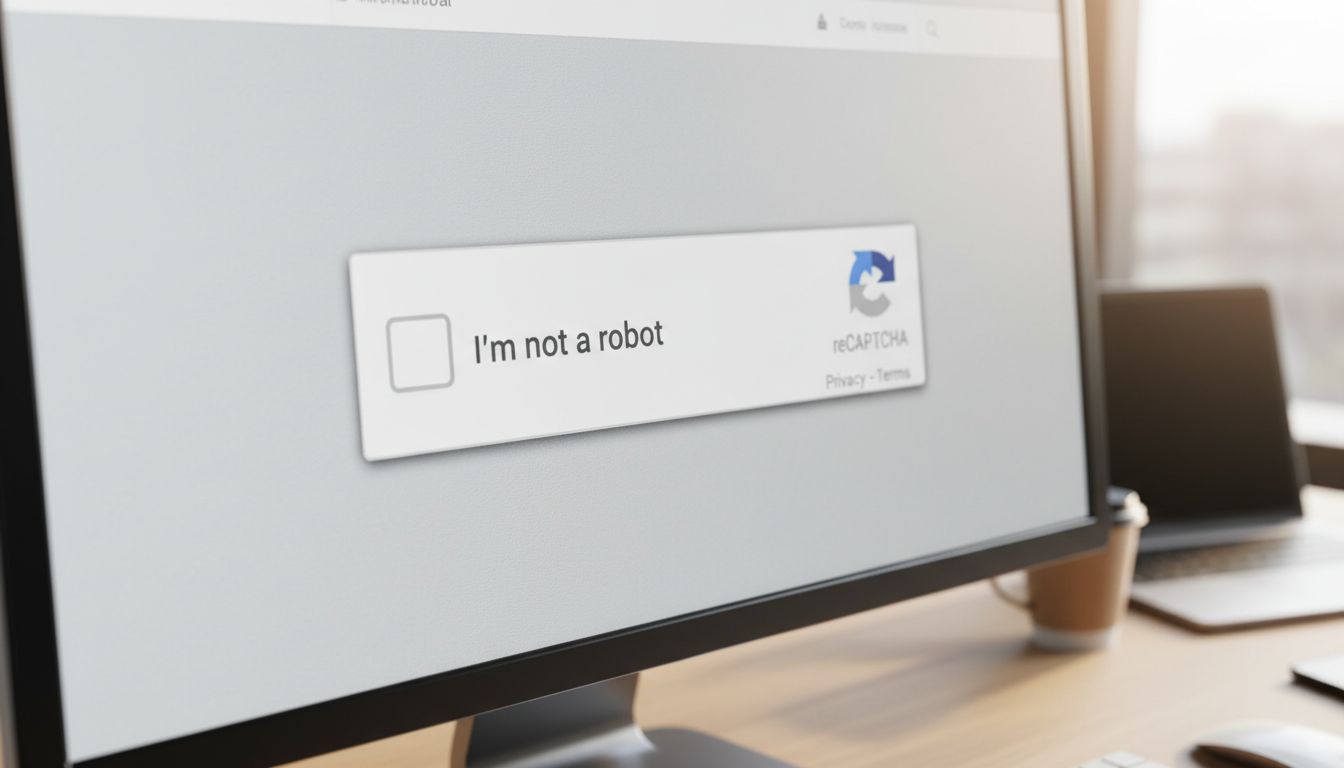
You have seen it hundreds of times — a checkbox that says I’m not a robot. It looks simple, but there is real technology behind it. The I’m not a robot test is designed to tell humans apart from automated scripts. When you click on a captcha I am not a robot challenge, the system is analyzing far more than your click. Whether you type it as im not robot or use the full phrase, the underlying verification system works the same way. The im not a robot captcha has become one of the most recognized security tools on the web.
This article explains what the test actually measures, why it exists, and what happens when it fails.
How the I’m Not a Robot Test Works
The I’m not a robot test most people encounter is Google’s reCAPTCHA v2. When you check the box, the system does not just register a click — it tracks how your mouse moved to reach the checkbox, the timing of your interaction, your browser history on the site, and device signals like screen resolution and installed fonts. Bots typically move in straight lines or trigger clicks without the micro-movements humans make naturally.
If the system is confident you are human, the checkbox clears immediately. If it is uncertain, it presents a visual challenge — identifying traffic lights, crosswalks, or other objects in a grid of images. This image-recognition step adds a second layer of verification that is harder for automated tools to bypass.
Newer versions of reCAPTCHA (v3) work invisibly. You never see the im not a robot captcha checkbox at all. Instead, the system scores your behavior across the entire page session and flags suspicious activity behind the scenes.
Why the Captcha I Am Not a Robot Challenge Exists
The captcha I am not a robot challenge was created to protect websites from automated abuse. Bots can submit thousands of spam forms per minute, scrape private data, create fake accounts, or execute credential-stuffing attacks that try stolen passwords across multiple sites. Without bot detection, these attacks scale instantly.
CAPTCHA stands for Completely Automated Public Turing test to tell Computers and Humans Apart. The core idea comes from Alan Turing’s concept of a test that measures whether a machine can behave indistinguishably from a human. Modern implementations apply that idea to web security rather than general intelligence.
Every time you solve one of these challenges, you are contributing to something beyond your own security. The image-labeling tasks in visual CAPTCHAs have historically been used to train machine learning models, a practice Google disclosed and later moved away from. Today the primary purpose is purely verification.
When the Im Not Robot Check Fails or Frustrates
Sometimes you click im not robot correctly and the system still challenges you. This usually happens when your browsing environment raises red flags — a VPN, a new browser, cleared cookies, or an unusual device. The system uses these signals to calculate a risk score, and anything that looks atypical triggers extra scrutiny.
Accessibility is a real concern with visual CAPTCHAs. Users with visual impairments often have access to an audio alternative, but these are not always reliable. Screen readers may not interact with the checkbox the way a sighted user’s mouse does, which can cause repeated failures even for legitimate users.
If you find yourself stuck in a loop on the I’m not a robot check, try disabling your VPN, switching to a standard browser without extensions, or enabling cookies for the site. These steps resolve most false-positive failures without needing to contact support.
The Future of Bot Detection Beyond the CAPTCHA
The familiar checkbox is already fading. Passive bot detection systems now analyze behavioral signals continuously across a session rather than demanding a single proof-of-humanity moment. Biometric signals, device fingerprinting, and session analytics are replacing the im not a robot captcha in many enterprise security stacks.
These invisible systems are more convenient for users but raise privacy questions. They collect more data about how you interact with a site than any checkbox-based test ever did. As bot technology improves, so do the detection methods — it is an ongoing competition between security engineers and the automated tools trying to evade them.
For most users, the I’m not a robot test will continue to appear on login pages, registration forms, and checkout screens for years to come. Understanding what it measures helps you troubleshoot problems faster and appreciate why the friction exists in the first place.