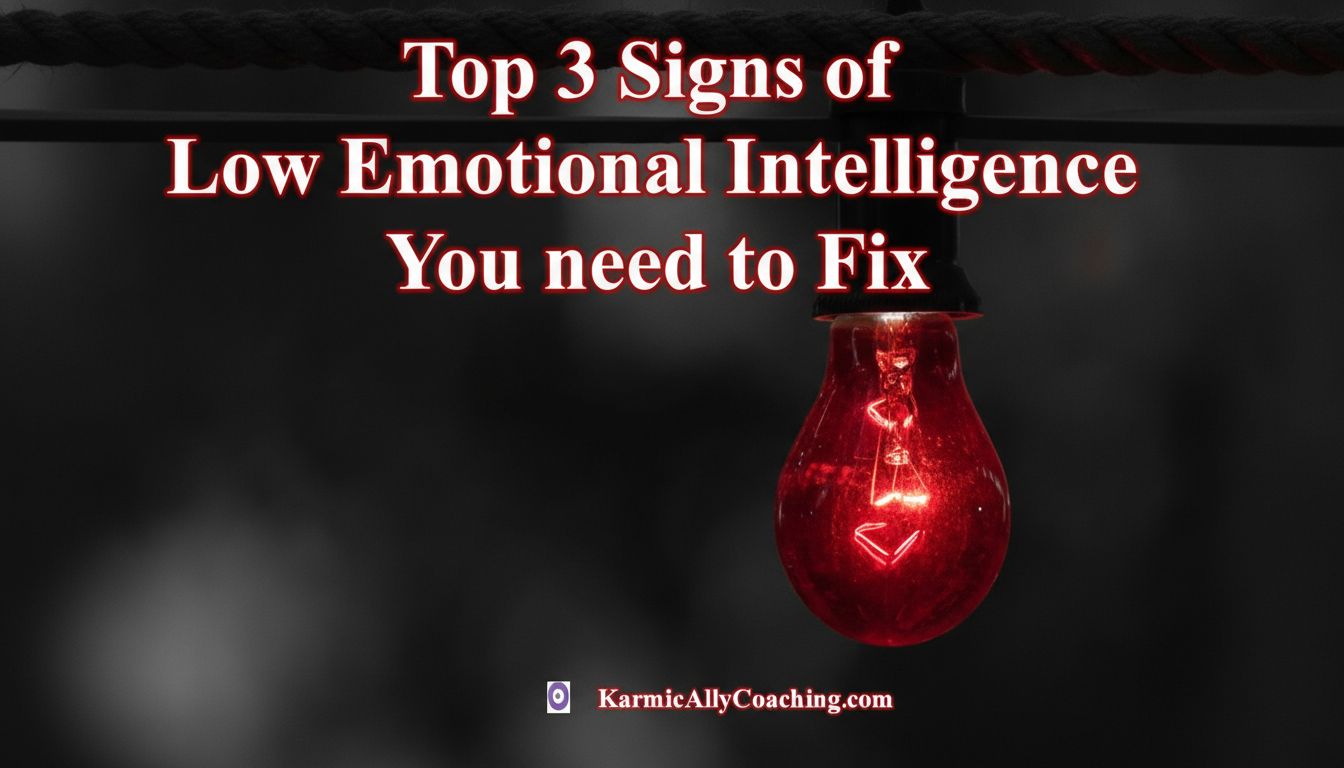
Lack of Emotional Intelligence: Signs, Costs, and How to Build It
A lack of emotional intelligence creates problems that look like personality flaws but are really skill gaps. The 4 components of emotional intelligence — self-awareness, self-regulation, social awareness, and relationship management — are learnable. Quotes about emotional intelligence from Daniel Goleman and others have popularized these ideas, but real growth requires more than inspiration.
Understanding emotional intelligence competencies gives you a map for what to work on. This emotional intelligence summary will help you identify where you’re already strong, where you’re struggling, and what you can do about it starting today.
What Lack of Emotional Intelligence Looks Like in Real Life
A lack of emotional intelligence shows up in patterns, not moments. You might snap at a colleague and not understand why. You might dismiss a friend’s concern as overreacting — and be genuinely confused when they pull away. You might keep making the same relationship mistakes without seeing the common thread. These aren’t character defects. They’re signs of undeveloped emotional skills.
Socially, a lack of emotional intelligence often reads as bluntness, defensiveness, or emotional unavailability. People with low EQ tend to take feedback personally, struggle to read the room, and have difficulty managing conflict without escalation. These patterns cost them in relationships, careers, and mental health outcomes.
The research is clear. Studies from Yale’s Center for Emotional Intelligence show that people with higher EQ earn more, have stronger marriages, and report better physical health. The costs of low emotional intelligence aren’t abstract — they accumulate in your actual life over years.
The 4 components of emotional intelligence give you a framework for diagnosing where the gaps are. Self-awareness means knowing what you feel and why. Self-regulation means managing those feelings rather than acting them out. Social awareness means reading others accurately. Relationship management means using all of this to navigate interactions toward productive outcomes.
Emotional intelligence competencies drill these four areas into specific behaviors. Under self-awareness, for example, sits accurate self-assessment and emotional self-awareness. Under social awareness sits empathy and organizational awareness. Each competency is observable and improvable with practice.
Quotes about emotional intelligence often capture the stakes. Goleman wrote that “if your emotional abilities aren’t in hand, if you don’t have self-awareness, if you are not able to manage your distressing emotions, if you can’t have empathy and have effective relationships, then no matter how smart you are, you are not going to get very far.” That’s not motivational language. It’s a summary of the research.
An emotional intelligence summary wouldn’t be complete without addressing how to build what’s missing. The first step is slowing down the space between stimulus and response. When something triggers you — a critical comment, a perceived slight, a stressful deadline — pause before you act. That pause is where self-regulation begins.
Journaling helps develop self-awareness over time. Therapy, especially modalities like DBT or CBT, directly targets the emotional intelligence competencies that create the most friction in your life. And asking trusted people for honest feedback, then sitting with it rather than defending against it, develops the social awareness component that so many people skip.
A lack of emotional intelligence is not a life sentence. The 4 components of emotional intelligence are skills, and skills improve with focused effort. Start with the competency that’s causing the most visible damage in your life right now, and work outward from there.