Future Plans: How to Build Hope and Make Planning Work
Making future plans is one of the most powerful things you can do for your mental wellbeing and your practical life. Hope for the future is not wishful thinking. Research in positive psychology shows that a sense of future orientation, believing that things can improve and that your actions matter, directly supports motivation and resilience. Future planning is a skill that can be developed with practice. Planning for the future gets harder when the future feels uncertain, which is exactly when having a framework matters most. And keeping track of your plans for the future in a concrete, written form turns aspiration into action.
Why Future Plans and Hope for the Future Are Linked
Future plans and hope for the future reinforce each other. When you have specific, realistic plans, hope feels less like fantasy and more like a reasonable expectation. When you feel hopeful, you are more willing to invest effort in planning. The cycle runs in both directions.
Research on hope theory by psychologist Charles Snyder identified two components: agency (believing you can work toward goals) and pathways (knowing how to do it). Future plans are the pathways component made concrete. Without specific steps, hope often stays vague and fragile. With a plan, it becomes durable.
People who report low hope for the future typically lack either the belief that change is possible (agency) or the knowledge of how to pursue it (pathways). Addressing both is part of how therapists, coaches, and career counselors help people unstick from paralysis and start planning for the future in practical ways.
How to Build Effective Future Planning Habits
Future planning does not have to be a single dramatic session where you map out your entire life. It works better as a regular practice, even brief and informal.
A weekly planning habit for your plans for the future might look like this: every Sunday, take ten minutes to identify your top three priorities for the week. Then identify one action toward a longer-term goal. That second item is where your future planning for the next month or year lives in miniature. Small, consistent forward motion on longer-term plans outperforms occasional bursts of ambitious planning that do not survive contact with a busy week.
Future planning also benefits from specificity. “Get healthier” is not a plan. “Go for a 20-minute walk three times this week and schedule a doctor’s appointment by Friday” is a plan. The more specific your plans for the future, the more your brain can treat them as commitments rather than wishes.
Planning for the Future When Uncertainty Is High
Planning for the future gets genuinely harder when external circumstances are unstable. Job markets shift, health changes, relationships evolve. The response to high uncertainty is not to stop making future plans but to build more flexibility into them.
Scenario planning is a useful tool: instead of one fixed plan, sketch two or three different paths depending on how key uncertainties resolve. This approach is used in strategic business planning and in career counseling. It reduces the anxiety of over-committing to a single outcome while still generating forward movement.
Hope for the future in uncertain times also comes from focusing on what you can control. You cannot control whether the economy expands or contracts, but you can control how you develop your skills, how you manage your finances, and how you maintain relationships that matter. Future plans built around controllable actions are more resilient than plans built around hoped-for external conditions.
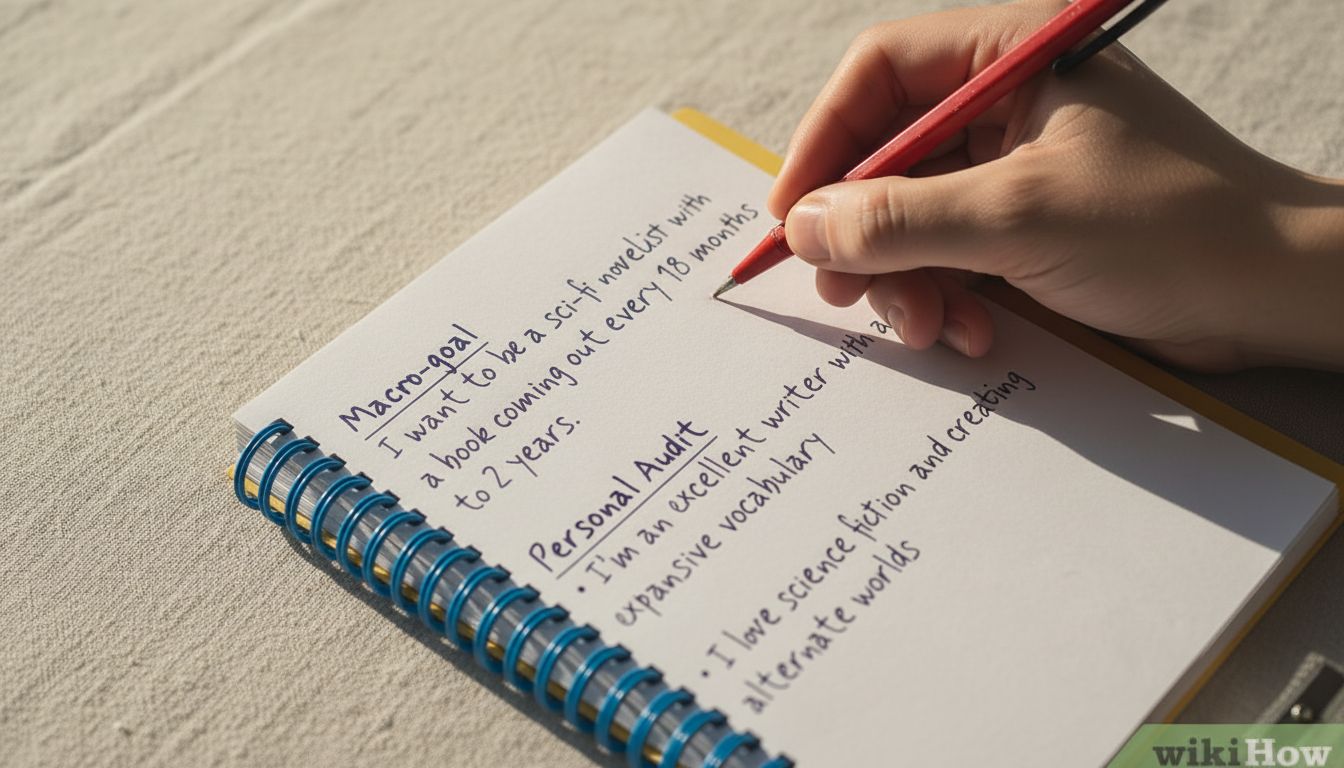
Keeping a written record of your plans for the future and reviewing it monthly gives you evidence that you are moving forward even when progress feels slow. That evidence is itself a source of hope.
Pro tips recap: Write your future plans down and review them weekly. Build hope for the future through specific actions, not just positive thinking. When planning for the future in uncertain times, use scenario planning to keep your plans for the future flexible without losing direction.