Mental Health Poems, Infant Care, and Careers Without a Degree
Mental health poems offer a form of expression that therapy and clinical language sometimes cannot reach. From Sylvia Plath to modern spoken word artists, verse has always been a space for processing what words alone struggle to hold. Infant mental health is a specialized field focused on the emotional and relational development of children from birth to age three, recognizing that attachment and safety in early life shape long-term psychological outcomes. Mental health blogs have built large communities around shared experience, reducing the isolation that mental illness often brings. Mental health careers without a degree are more accessible than many people realize, offering meaningful work without the debt of graduate training. And for those wondering how to become a psychologist without a psychology degree, the answer is more nuanced than a simple yes or no.
Mental Health Poems as Expression and Therapy
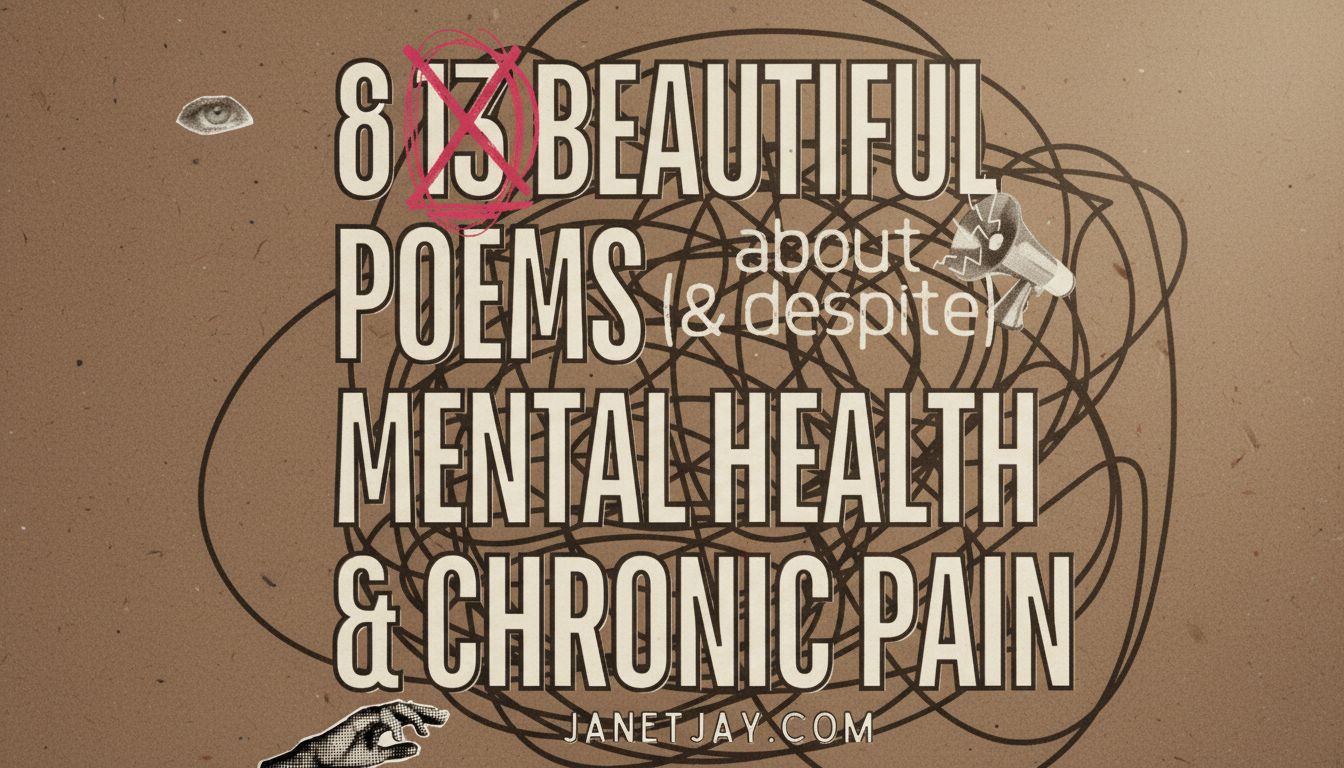
Mental health poems function differently from clinical language. They allow for ambiguity, metaphor, and the expression of states that are hard to pin down precisely. Poetry therapy is an actual clinical practice, used in inpatient settings and outpatient groups, where writing and reading poetry helps people externalize and examine difficult inner experiences.
Well-known poets who wrote about mental health include Sylvia Plath, Anne Sexton, Robert Lowell, and more recently Warsan Shire. Their mental health poems are studied both as literature and as documents of lived psychological experience. Reading them can reduce isolation: knowing that someone else felt something similar and found language for it is itself a form of support.
If you want to write your own mental health poems, the key is not to aim for perfection. Write honestly about what is happening inside. Short, fragmented forms work well for anxiety. Longer, more narrative structures suit grief. The point is the process as much as the product.
Infant Mental Health: Why Early Years Matter
Infant mental health is grounded in attachment theory, originally developed by John Bowlby and expanded by Mary Ainsworth. Secure attachment in the first three years of life is one of the strongest predictors of later emotional regulation, social functioning, and resilience. When that attachment is disrupted by trauma, neglect, or parental mental illness, the effects can persist across the lifespan.
Infant mental health specialists work with parents, early childhood educators, and pediatric healthcare providers to support healthy development in young children. Their work includes observing parent-child interactions, coaching attachment behaviors, and identifying early signs of developmental or relational difficulties.
The field overlaps with infant mental health research, which has documented how early adversity affects brain development. Programs like the Nurse-Family Partnership and Early Head Start draw on this research to intervene before problems become entrenched.
Mental Health Careers Without a Degree and Paths Forward
Mental health careers without a degree include peer support specialist, mental health technician, crisis line counselor, and community health worker. These roles do not require a college degree, though most require certification training and passing a background check.
Peer support specialists are among the most valued of mental health careers without a degree. They draw on lived experience with mental illness or recovery to support others navigating similar challenges. Research consistently shows that peer support improves engagement and outcomes, making these roles both meaningful and evidence-based.
For those asking how to become a psychologist without a psychology degree, the direct answer is that you cannot become a licensed psychologist without completing graduate training in psychology or a closely related field. However, you can get your master’s degree in counseling, social work, or mental health counseling with an undergraduate degree in a different field. Many programs accept students from non-psychology backgrounds if their coursework demonstrates relevant knowledge in social sciences, biology, or statistics.
If you are considering mental health blogs as a career path, know that content creation in the mental health space is growing. Platforms built around mental health blogs have audiences that rival clinical publications. Writers with lived experience and the ability to communicate clearly about mental health topics can build careers in this space through freelance writing, brand partnerships, and community building.