Depth Psychology, Aviation, and the Best Emotional Intelligence Books
Depth psychology is the branch of psychology that focuses on unconscious processes, including the work of Freud, Jung, and their successors. Psychology 101 courses introduce you to the basics of human behavior, but depth psychology goes further into the hidden drivers of thought and action. The best emotional intelligence book you will find often draws on both traditions, combining psychological theory with practical application. Aviation psychology applies similar psychological principles to a high-stakes professional domain: how pilots think, manage stress, and make decisions under pressure. And a solid psychology 101 book can be your entry point into all of these areas, giving you the vocabulary and concepts to go deeper in any direction.
What Depth Psychology Is and Why It Matters
Depth psychology treats the unconscious as not just a storage bin for forgotten memories but as an active shaping force in behavior, emotion, and relationship. Freud’s psychoanalytic theory was the original depth psychology framework, emphasizing repressed desires and early childhood experience. Carl Jung expanded this into analytical psychology, adding the collective unconscious, archetypes, and the idea of individuation, the lifelong process of becoming who you actually are.
Depth psychology remains relevant in clinical settings, particularly in long-term psychotherapy and in work with clients who want to understand recurring patterns in their relationships or emotional life. It is also influential in fields you might not expect: organizational psychology, leadership coaching, and creativity research all draw on depth psychology concepts.
If psychology 101 gives you the map of human behavior, depth psychology gives you the topography beneath the surface. The two levels of understanding complement each other.
Jung’s Contribution to Depth Psychology
Jung’s depth psychology introduced concepts that have become part of common language: the shadow (the aspects of personality we deny or suppress), the persona (the face we show the world), anima and animus (the feminine and masculine aspects within each person), and the self as the organizing principle of the psyche. Understanding these archetypes can help you recognize patterns in your own behavior and in the stories and symbols that consistently attract your attention.
The Best Emotional Intelligence Book for Different Readers
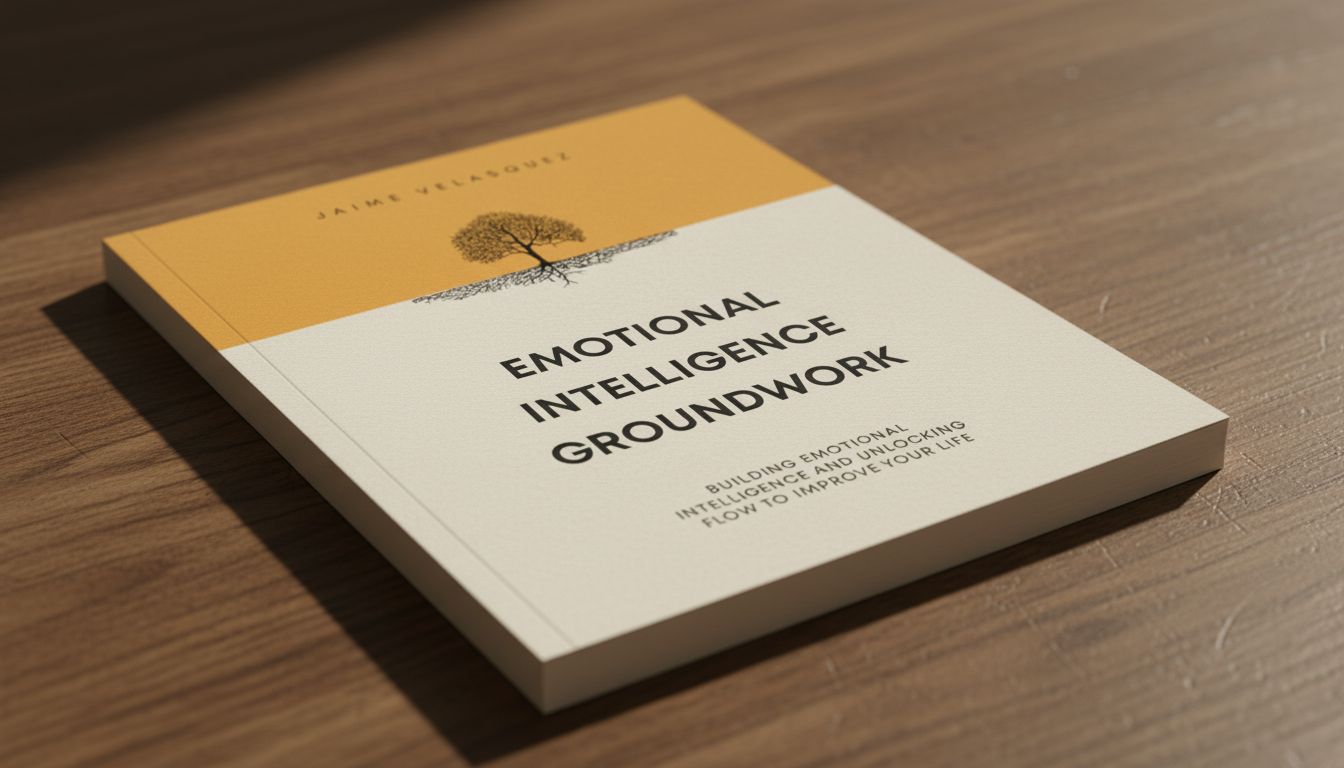
The best emotional intelligence book depends on your starting point and goals. Here are strong options across different needs:
- Emotional Intelligence by Daniel Goleman – The book that launched the popular concept. Best for readers who want the research foundation and the business case for EQ.
- The Language of Emotions by Karla McLaren – A depth psychology approach to emotions. Best for readers who want to understand what their emotions are actually communicating.
- Daring Greatly by Brené Brown – Focuses on vulnerability, shame, and authentic connection. Best for readers who want emotionally direct, story-based content.
- Permission to Feel by Marc Brackett – Research-backed and practical. Best for parents, educators, and anyone working with children.
Any of these could be the best emotional intelligence book for you depending on your situation. The common thread is that they all treat emotional awareness as a learnable skill, not a fixed trait.
Aviation Psychology: High-Stakes Human Factors
Aviation psychology applies psychological research to the domain of flight, covering pilot selection, human error, crew resource management, and decision-making under stress. It is one of the most rigorously studied applications of applied psychology because the consequences of errors are severe and the operating environment is highly demanding.
Human factors research in aviation psychology has produced findings that shaped cockpit design, checklist protocols, and training curricula used in commercial aviation worldwide. The insight that most aviation accidents involve human error rather than mechanical failure drove the development of Crew Resource Management (CRM), which teaches pilots to communicate assertively, share situational awareness, and challenge decisions that seem wrong even when they come from a senior crew member.
Aviation psychology overlaps with depth psychology in its attention to how unconscious habits and assumptions affect performance. Pilots who are overconfident or who have developed fixed mental patterns from years of routine flying can miss anomalies that should trigger concern. Training programs now incorporate psychological exercises specifically designed to surface these blind spots.
A strong psychology 101 book that covers perception, attention, stress, and decision-making gives you the vocabulary to understand aviation psychology literature. The same concepts that explain why a student makes choices under academic pressure explain why a pilot might fail to question an approach that feels routine.