Past Present Future: How Each Time Frame Shapes Your Health
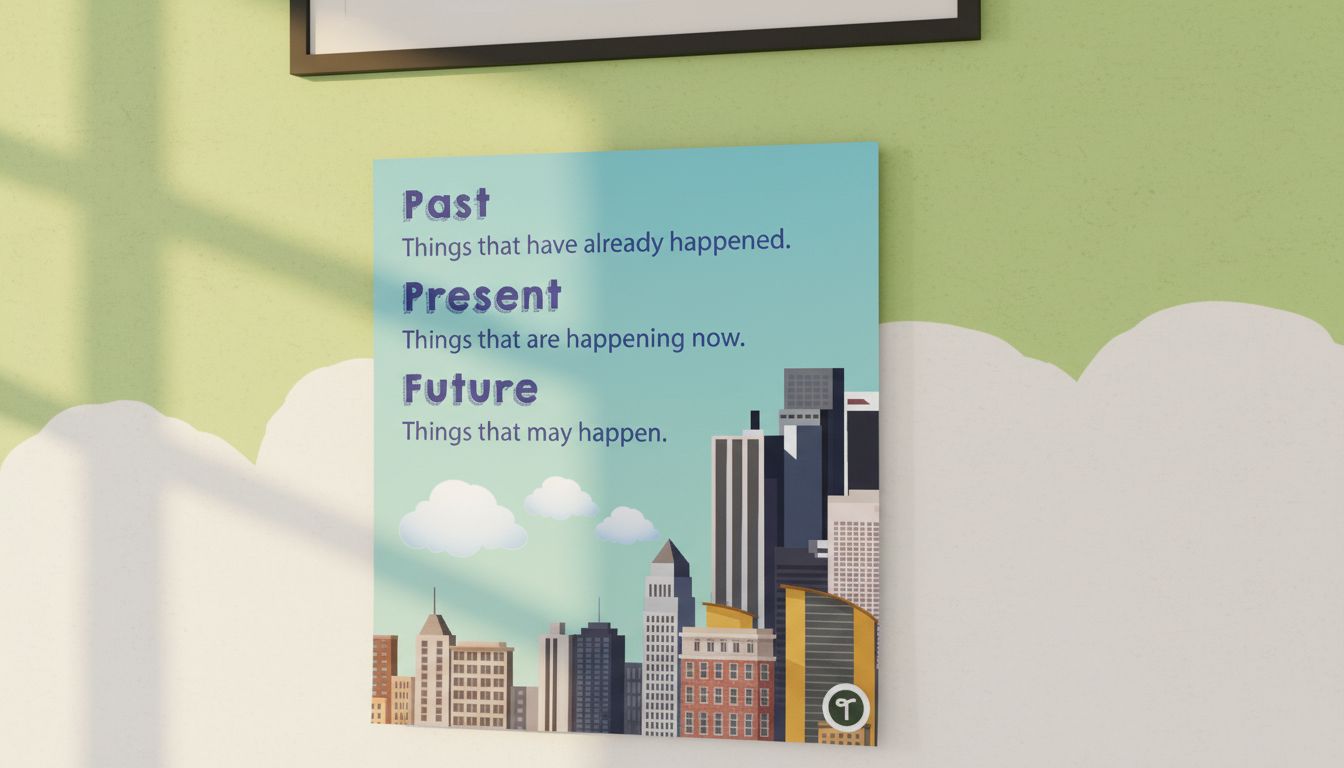
The relationship between past present future is not just philosophical. It shapes how you make decisions, how you feel physically, and how you treat yourself day to day. Future health depends heavily on what you do right now, in this moment. Your future self will live with the choices your present self makes today. Research shows that the best predictor of future behavior is past behavior, which means understanding your history gives you a real head start on changing your trajectory. The idea of past, present, future as three connected time zones applies directly to how you build or break health habits.
Learning from the Past Without Getting Stuck There
Your past holds data. How you ate, moved, slept, and managed stress over the years has shaped your body and your defaults. The phrase “the best predictor of future behavior is past behavior” comes from behavioral psychology and has strong empirical support. If you have skipped exercise consistently for years, your past behavior predicts you will skip it again unless you actively change something.
But the past is not destiny. Knowing your patterns lets you work with them. If you always abandon new routines in week three, plan for that. Build a check-in at week two. Use what your history tells you rather than ignoring it or being paralyzed by it.
The past present future framework also means your past does not define your worth. It defines your starting point. People who have had years of poor sleep or chronic stress can improve significantly with consistent change. The past informs; it does not lock you in.
Living in the Present to Build Future Health
Present-moment focus is where real change happens. Future health is built in the ordinary choices of today: what you eat for lunch, whether you take the stairs, how long you scroll before bed. None of these feel monumental. All of them add up.
Mindfulness practices teach you to stay in the present rather than replaying the past or worrying about what comes next. Research on mindfulness consistently shows benefits for stress reduction, blood pressure, and immune function. When you apply a past, present, future lens to your daily routine, the present moment is where the action is.
Pay attention to what drains your energy right now. Is it a habit, a relationship, a work pattern? The future self you want to become depends on your present self taking honest stock of these things and making small, real adjustments.
Visualizing Your Future Self to Drive Action
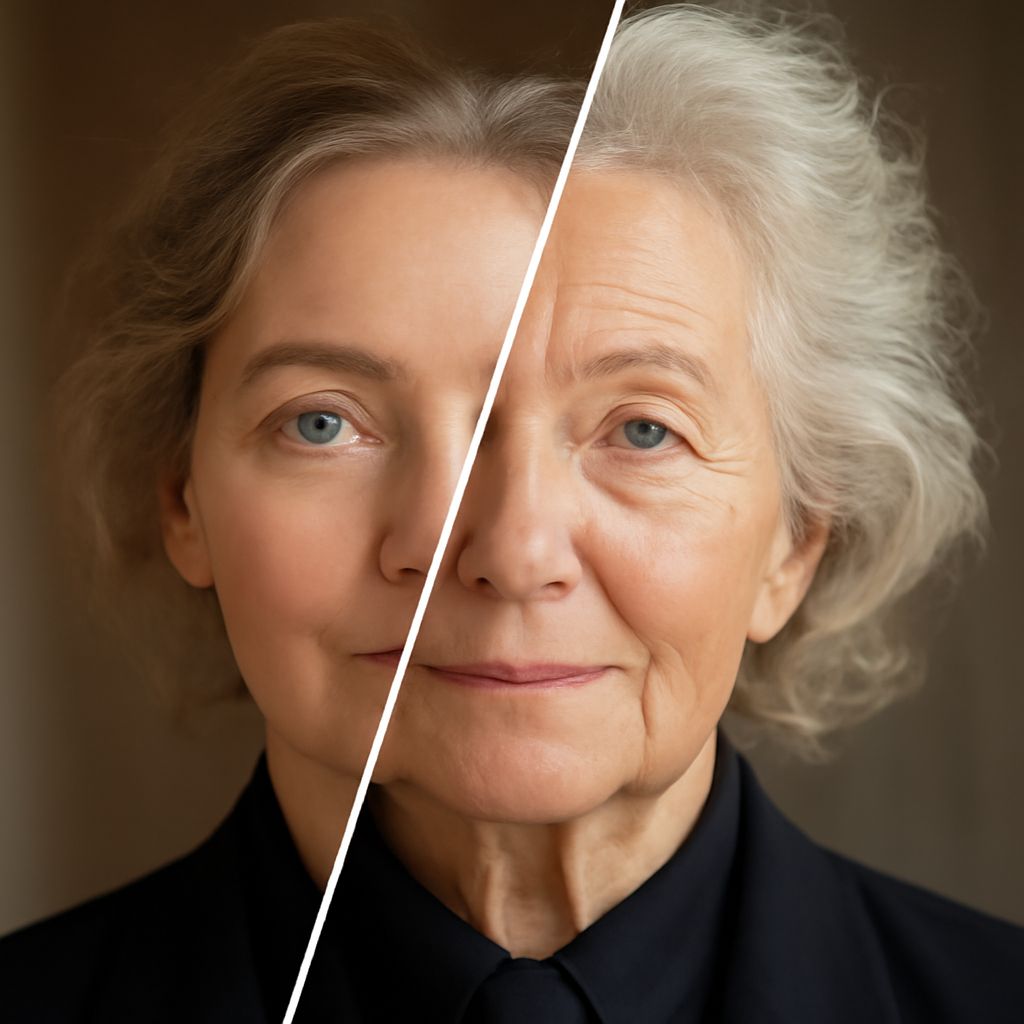
Your future self is not a stranger. Psychologists who study temporal self-appraisal find that people who connect emotionally with their future self make better long-term decisions. If you can picture yourself at 60 with energy, mobility, and mental clarity, you are more likely to make choices today that support that version of yourself.
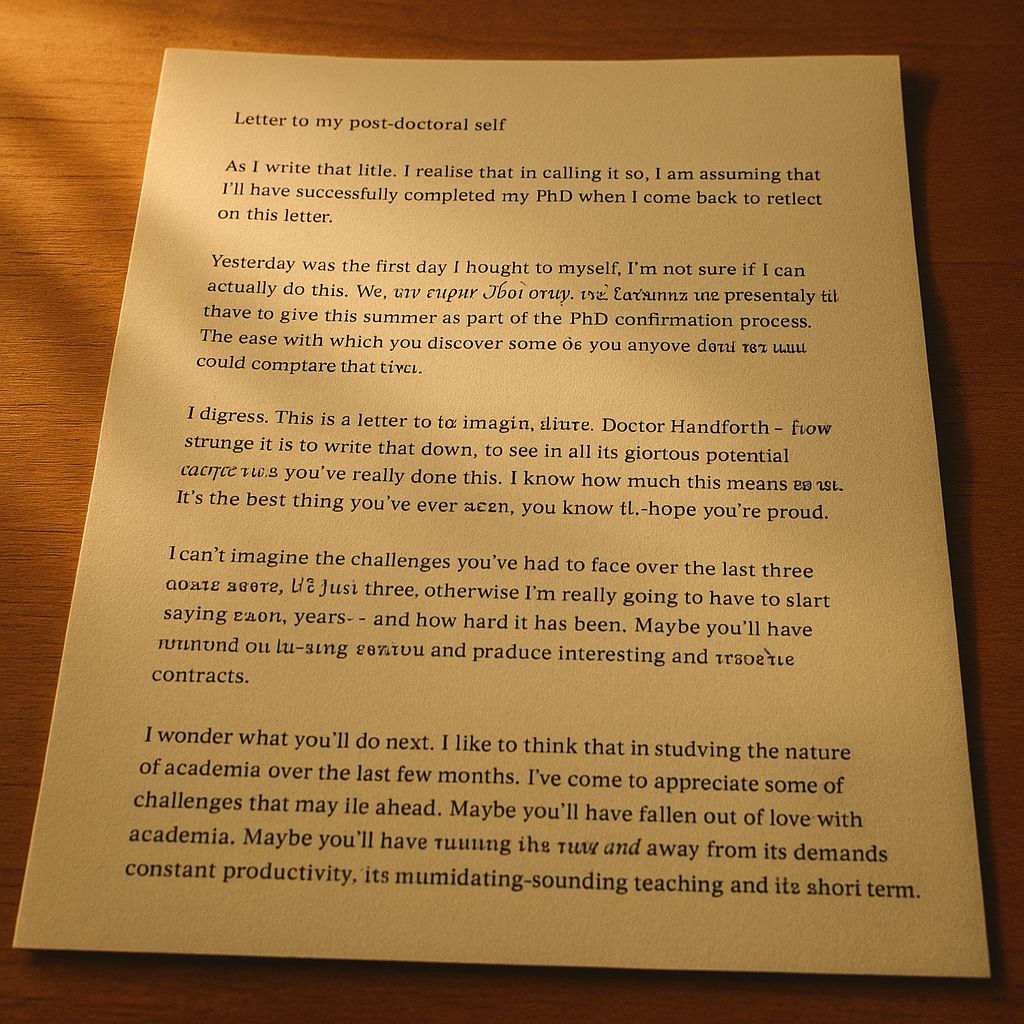
Write a letter to your future self. Describe what you want your health to look like in ten years. Then work backward: what does a person who reaches that outcome do each week? Each day? That reverse-engineering approach turns the abstract idea of “being healthier someday” into specific, present-day actions.
The past present future model is most useful when you treat all three zones as tools, not weights. Your past gives you patterns to work with. Your present gives you the actual levers to pull. Your future gives you direction and motivation.
Next steps: Pick one past habit that has held your health back and decide on one concrete change to make this week. Keep a short daily log to track what your present self actually does. Check in on your future self vision every month and adjust as your life evolves.