Mental Health Tattoos: Art, Awareness, and Healing Ink
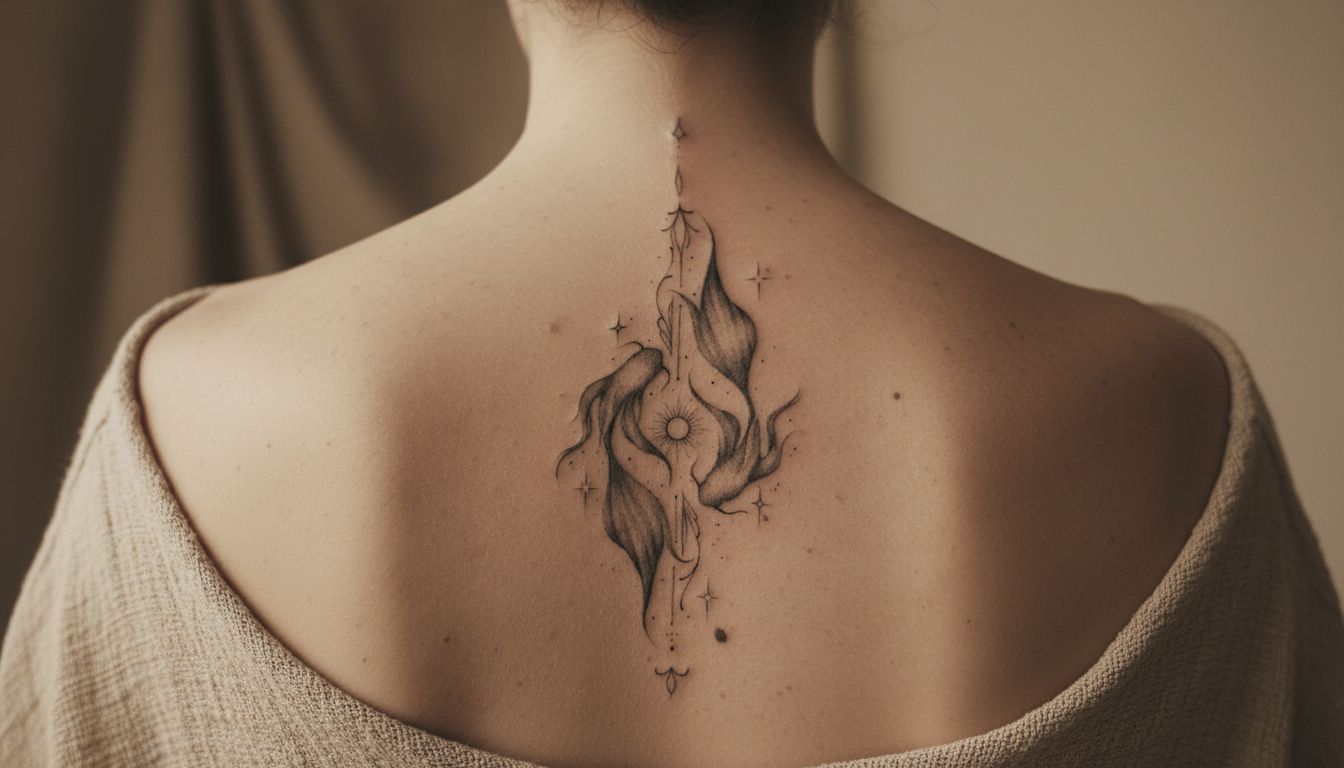
Mental health tattoos have become one of the most personal and visible ways people express their inner worlds. Whether you carry a mental health awareness tattoo on your wrist or a semicolon on your ankle, these designs say something real about your journey. Mental health art has long served as a tool for processing pain, and ink on skin takes that a step further. Many people also pair their body art with a mental health journal, using writing and drawing together. Approaches like act mental health can help you stay present with difficult feelings, and tattoos sometimes mark a milestone in that process.
This article walks you through the meaning behind these tattoos, the symbols people choose, and how you might use body art as part of your own wellness practice.
Symbols, Meaning, and Choosing Your Mental Health Tattoo
The most recognized mental health awareness tattoo is the semicolon. The semicolon means a sentence could have ended but did not. For people who have faced suicidal thoughts or severe depression, it says: “My story continues.” You see it on wrists, behind ears, and on collarbones.
Beyond the semicolon, mental health tattoos include butterflies for transformation, lotus flowers for rising through difficulty, and broken chains for freedom from anxiety. Some people get quotes from therapists or lines from journals that helped them through a crisis. The choices are personal, and there is no single right image.
Mental health art draws heavily from symbolism because abstract feelings are hard to put into words. A tattoo of a storm breaking into sunlight can say more than a paragraph. When you choose imagery for your own tattoo, think about what moment or feeling you want to anchor in ink.
Journaling, ACT, and Pairing Ink with Practice
A mental health journal and a tattoo can work together. Some people write about what their tattoo means to them on the day they get it, then return to that entry during hard times. The act of re-reading it connects the ink to intention.
ACT mental health, which stands for Acceptance and Commitment Therapy, teaches you to accept difficult thoughts rather than fight them. Many people who work with ACT choose tattoos that reflect that value: words like “accept,” “present,” or “breathe.” The tattoo becomes a physical reminder of the mental practice.
Mental health art therapy uses creative expression to process emotion, and tattooing overlaps with that in some ways. You collaborate with an artist, you sit with discomfort during the session, and you end up with something permanent that reflects where you were and where you want to go.
Practical Considerations Before You Get Inked
Before you commit, think about placement. A mental health awareness tattoo on a visible spot, like the forearm, can spark conversations. That can feel empowering or draining depending on your context. Some people prefer ink that is visible only when they choose to show it.
Talk to a licensed tattoo artist about the design. Good artists understand the emotional weight these pieces carry. Read reviews, look at portfolios, and make sure the artist has experience with the style you want, whether that is fine line, blackwork, or watercolor.
If you keep a mental health journal, consider writing about what you want the tattoo to represent before your appointment. Getting clear on the meaning helps you communicate it to the artist and gives you something to look back on later.
Next steps: If mental health ink feels right for you, start by sketching ideas in your journal or browsing the work of local tattoo artists who specialize in meaningful pieces. Connect with a therapist or ACT mental health practitioner if you want to deepen the intention behind the design. Body art and inner work can move forward together.