How Will I Look in the Future? Future Self Apps and the Psychology of Tomorrow
The question of how will i look in the future is something almost everyone asks at some point. A future self app can give you a visual simulation using age-progression technology, but the psychological value of these tools goes beyond simple curiosity. When you see your future self, research shows it changes how you make decisions today. The ability to meet your future self in a virtual sense has been used in behavioral economics research to improve retirement savings rates. And the practice of talk to your future self through written letters or recorded messages is a genuine therapeutic and coaching technique with documented outcomes.
This article examines both the technology and the psychology behind these approaches, giving you a clear picture of what works and why.
Future Self Tools: From Apps to Letters and What the Research Shows
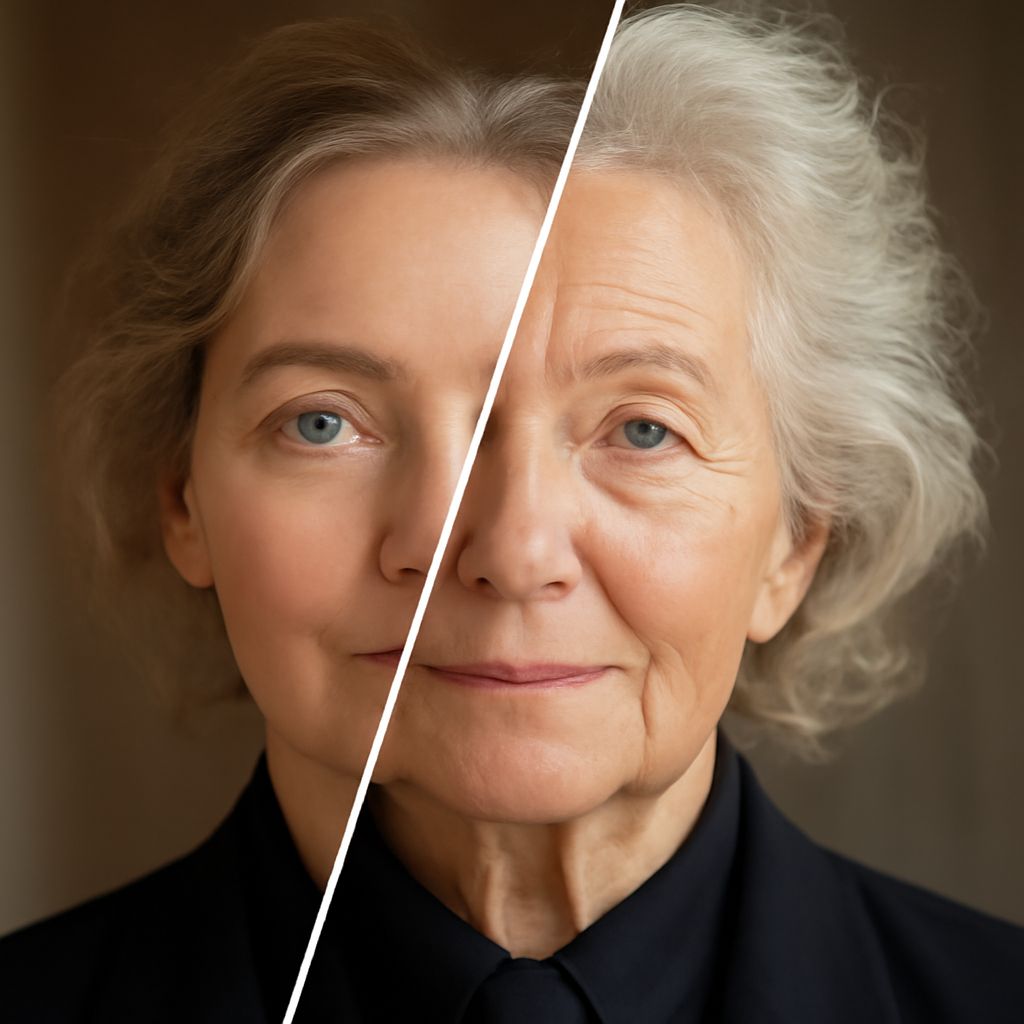
The question of how will i look in the future has a technological answer today. Apps like AgingBooth, FaceApp, and Microsoft’s various aging filter tools use machine learning to simulate age-related facial changes: skin texture, hair color, wrinkle patterns, and changes in facial structure. These applications vary considerably in accuracy, but their psychological impact has been studied seriously.
A future self app that generates an aged version of your face does something interesting: it makes your future self feel more real and less abstract. This matters because research in behavioral economics has shown that people tend to treat their future selves almost like strangers. The temporal distance creates a kind of psychological detachment that makes it easier to ignore long-term consequences in favor of short-term rewards.
Hal Hershfield’s research at UCLA demonstrated this concretely. In a series of studies, participants who were shown an aged avatar of themselves allocated significantly more money to retirement savings than those who saw their current face. To see your future self, even in a simulated form, appears to reduce the psychological distance between present and future identity.
This is why a future self app has practical value beyond novelty. Used intentionally, seeing your future self can prompt more serious thinking about health decisions, financial choices, and long-term goals. The visual anchor makes abstract future consequences feel more immediate and personal.
The practice of meet your future self through guided visualization or role-play is used in career coaching and life planning contexts. A coach might ask you to imagine yourself ten or twenty years from now, fully developed in a particular direction, and then have you answer questions from that perspective. This technique helps clients identify what they actually value and what they need to start or stop doing to move toward that vision.
This is different from naive positive visualization. Meet your future self exercises are most effective when they include not just the desired outcome but also a realistic acknowledgment of the work required to get there. Research on mental contrasting, developed by Gabriele Oettingen, shows that alternating between positive future vision and honest assessment of current obstacles produces better follow-through than either vision or obstacle focus alone.
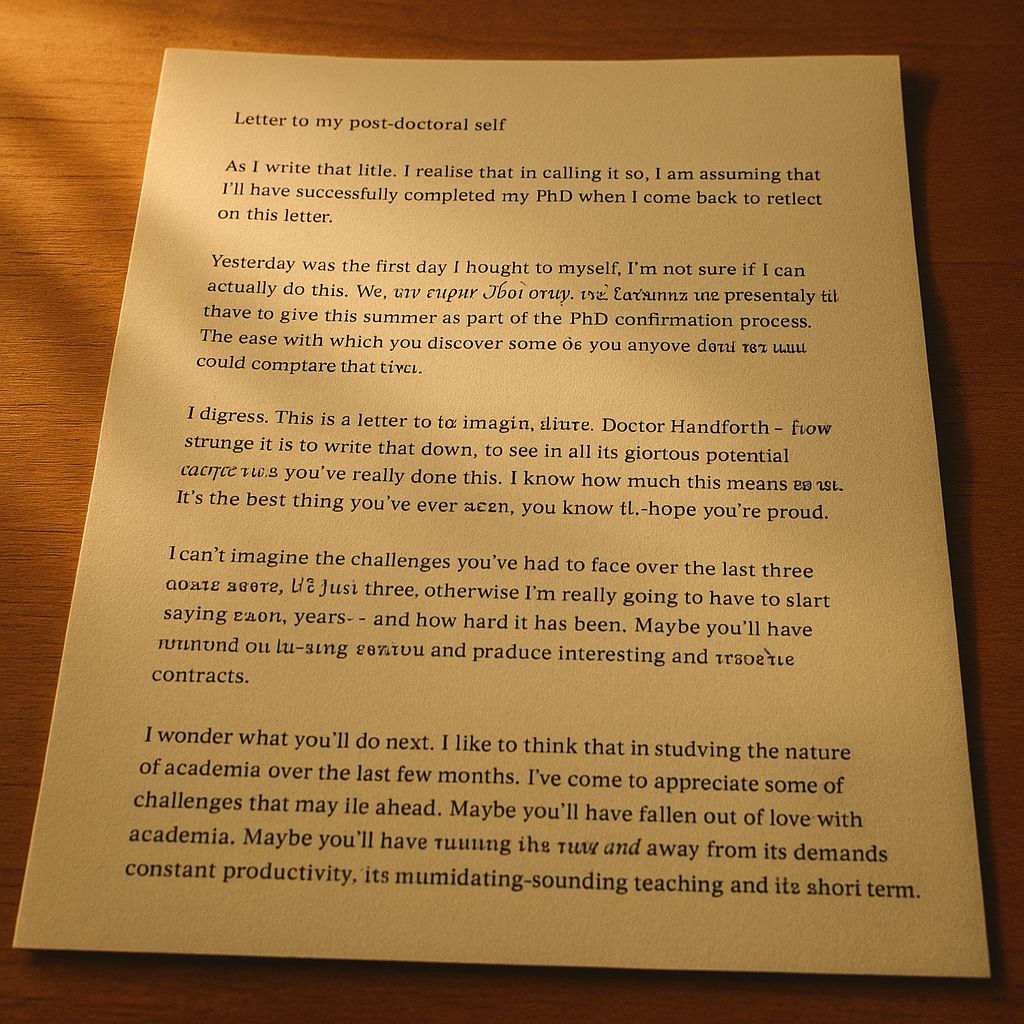
The talk to your future self technique involves writing a letter, recording a video message, or using a service like FutureMe.org to send a message to yourself to be delivered years from now. This practice has appeared in positive psychology interventions and has some evidence of benefits for goal commitment and self-continuity awareness.
What makes the talk to your future self practice effective is the shift in perspective it requires. Writing to your future self forces you to articulate what you currently value, what you hope for, and what you fear. The future recipient of the message is you, which creates a kind of accountability that is distinct from telling a friend about your goals. There is no one to perform for; the message is private and self-directed.
Answering how will i look in the future is partly a question about physical appearance and partly a question about identity. The future self research consistently shows that the more vividly and concretely you can imagine your future self, the more connected you feel to that future person, and the more likely you are to make present choices that serve their interests. That shift in perspective, from treating future you like a stranger to treating future you like someone you actually care about, is what makes these tools genuinely useful rather than just entertaining.