Robot Hands, Robot Eye, and the Rise of Immersive Robotics Experiences
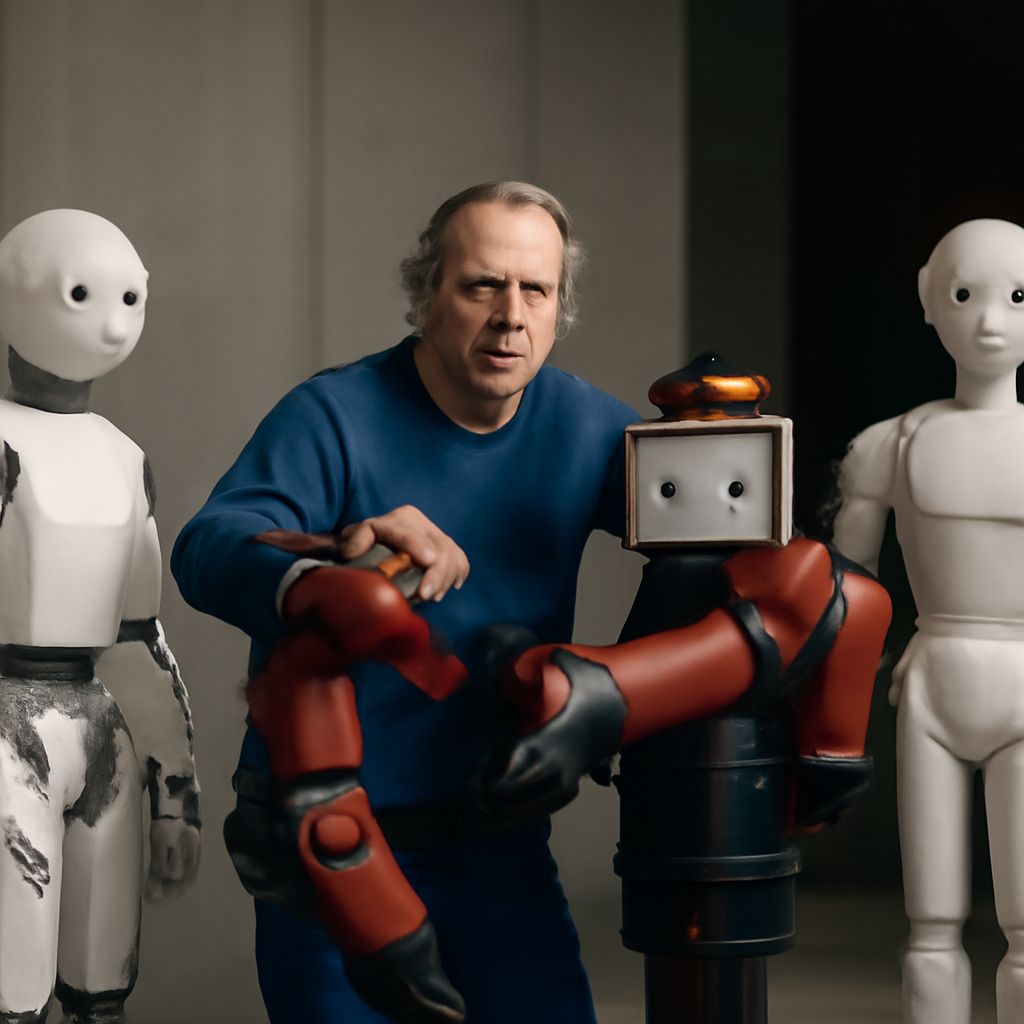
When you walk into a cutting-edge robotics showcase, the first things you notice are the robot hands — articulated, precise, and almost eerily human in their movement. Next comes the gaze of a robot eye, tracking your position and adjusting the machine’s behavior in real time. These technologies are no longer confined to research labs. They are showing up in unexpected places, including your next dining experience. A robot cafe blends food service with live robotics demonstrations, creating an atmosphere that is part restaurant, part technology exhibit. The robot cafe Japan scene has taken this concept furthest, producing venues that attract tourists, tech enthusiasts, and curious locals alike. The japan robot cafe phenomenon is now inspiring similar venues across Asia, Europe, and North America.
This article explores the technology driving robotic dexterity and perception, and why these experiences have become cultural touchstones in the age of automation.
How Robot Hands Are Changing Human-Machine Interaction
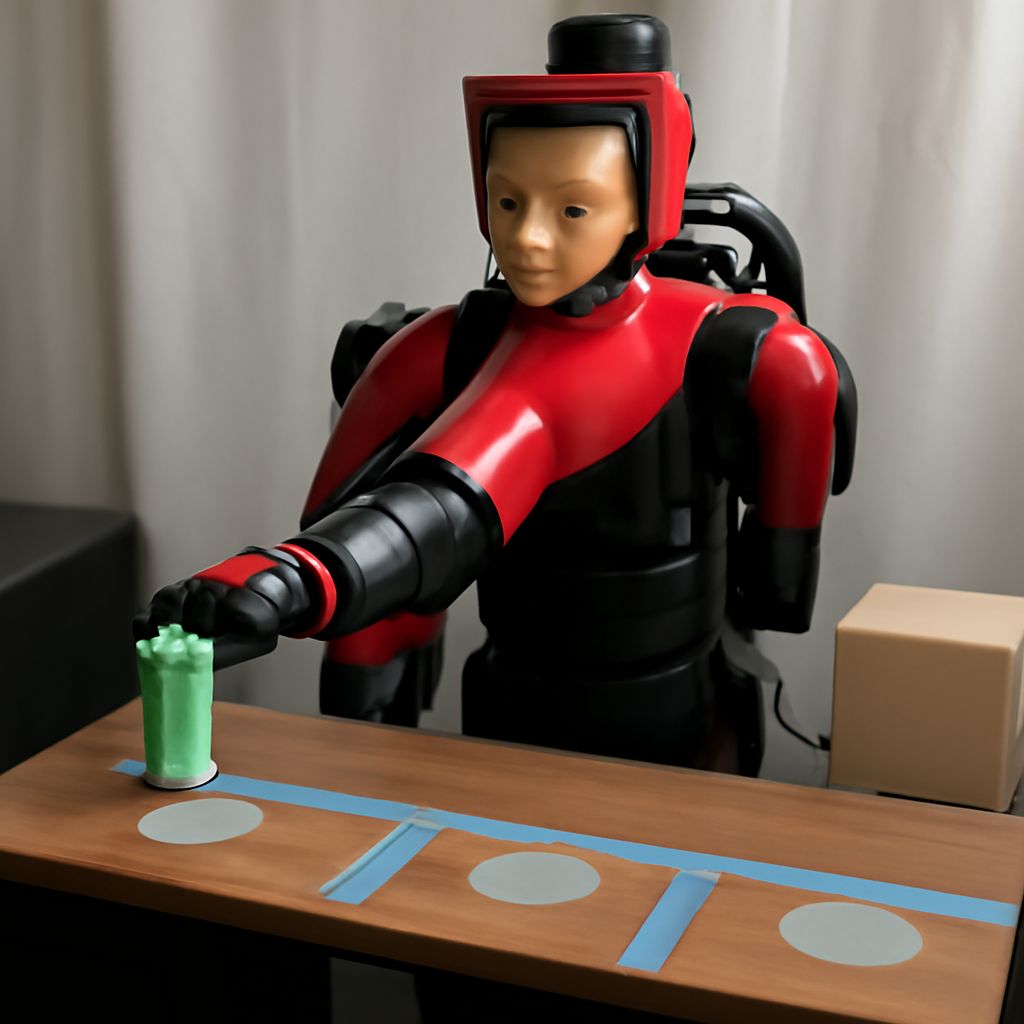
Dexterous manipulation has long been one of robotics’ hardest problems. Humans handle dozens of different objects every hour — gripping a pen differently from a coffee cup, a screwdriver differently from a tissue. Replicating that adaptability in robot hands requires sophisticated hardware and software working in concert.
The Engineering Behind Dexterous Robotic Grippers
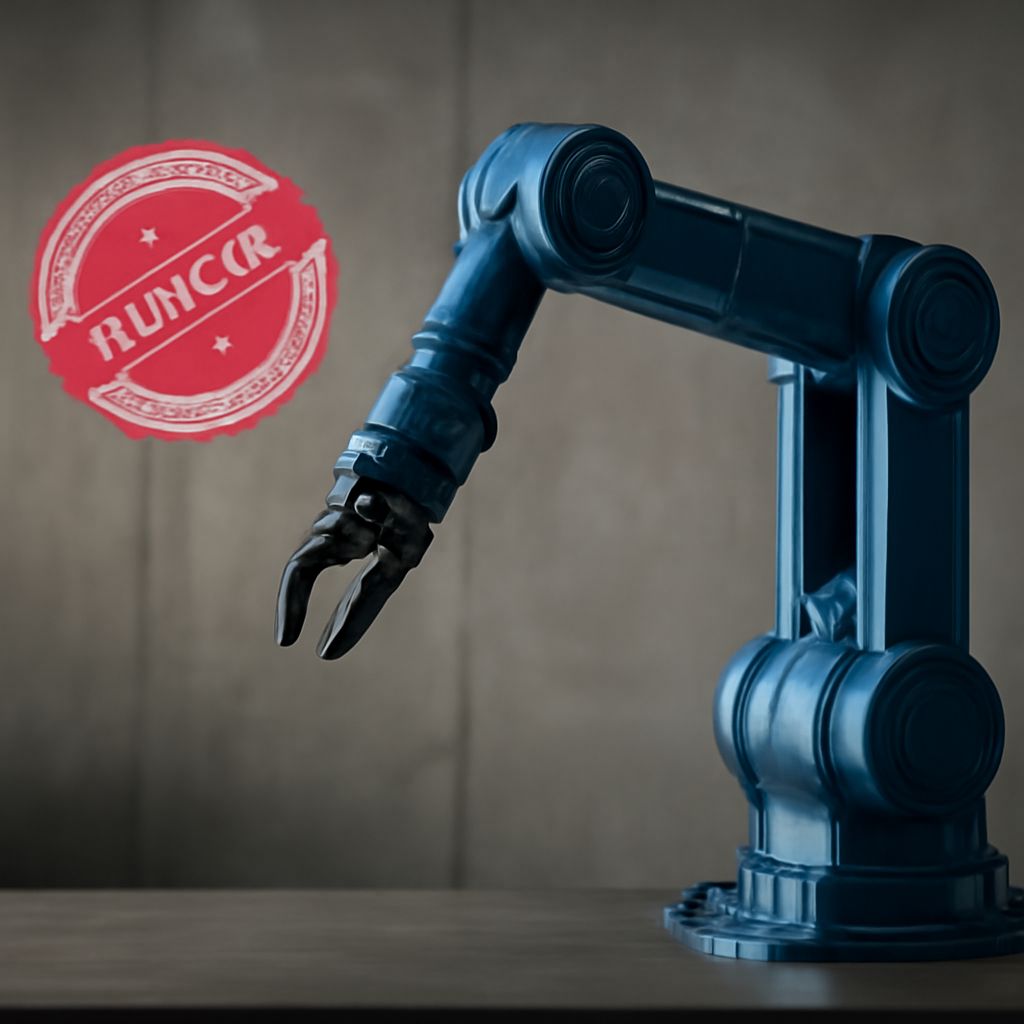
Modern robot hands use combinations of rigid joints, soft actuators, and force-feedback sensors. Soft robotics approaches — where grippers are made from flexible silicone materials — allow machines to handle fragile items like eggs or fruit without crushing them. This is critical for food service environments like a robot cafe.
Tendon-driven hands mimic the structure of human fingers more closely. Cables running through the hand act like tendons, giving each finger independent control. This design enables nuanced movements such as pinching, palming, and rotating objects — tasks that rule-based grippers simply cannot perform.
Tactile sensors embedded in fingertip pads give robots feedback about surface texture and slip. When an object begins to slide, the grip adjusts automatically. This real-time adaptation brings robotic manipulation much closer to human capability.
Robot Eye Technology and Sensory Integration
Seeing the world is not the same as understanding it. A robot eye captures visual data, but interpreting that data — identifying objects, estimating distances, tracking motion — requires layered processing systems.
Vision Systems That Give Robots Situational Awareness
A typical robot eye system combines RGB cameras with depth sensors. The color camera captures detail while the depth sensor creates a 3D map of the environment. Together, they allow a robot to locate an object, understand its orientation, and plan how to pick it up.
Stereo vision systems use two cameras placed at human eye-spacing to calculate depth through triangulation. This approach is used in warehouse robots, surgical systems, and increasingly, in service robots deployed in public-facing environments.
Computer vision algorithms — many now powered by deep learning — allow robots to recognize faces, track human gestures, and adapt their behavior based on what they observe. In a busy robot cafe, this means a robot can identify when a customer is ready to order and approach at the right moment.
Inside a Robot Cafe: Where Technology Meets Hospitality
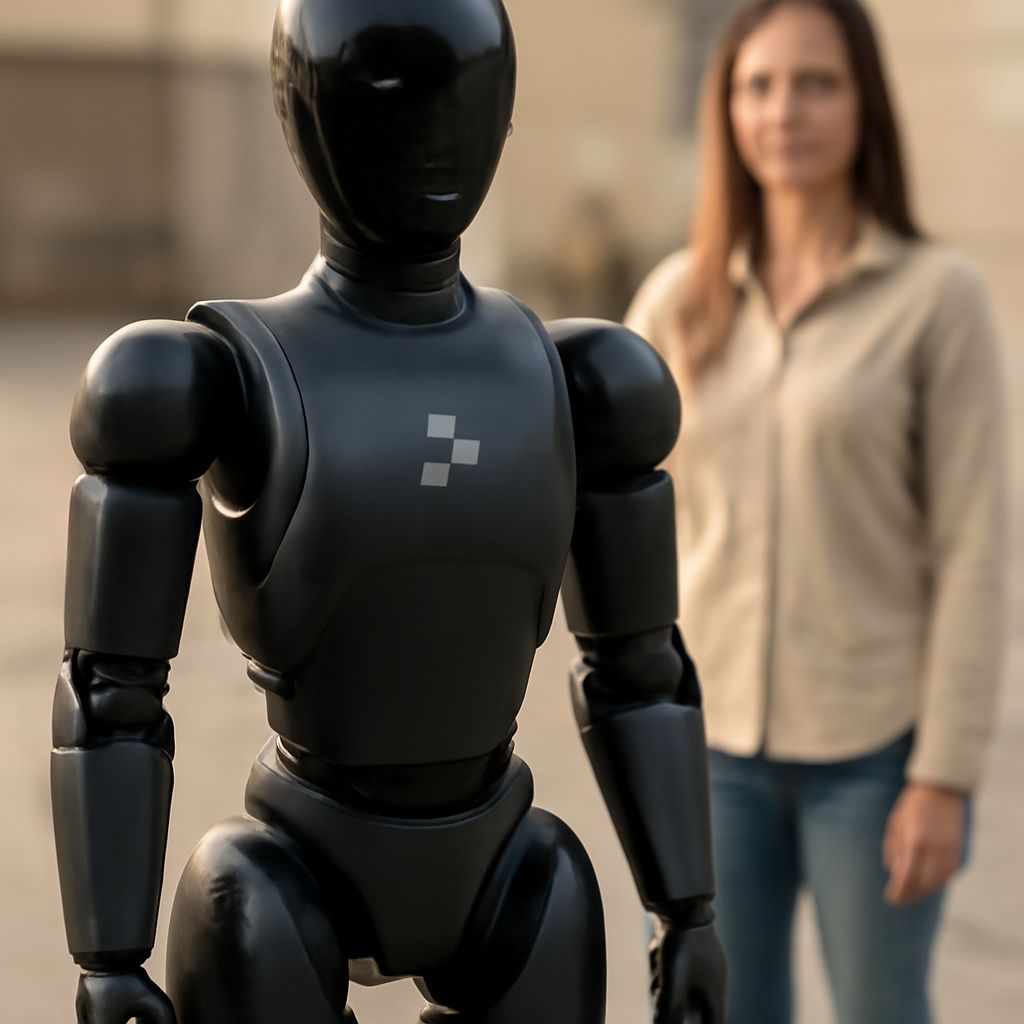
A robot cafe is designed to entertain as much as to serve. The robotic staff are the attraction. Guests watch machines navigate tables, deliver drinks, and interact with customers — all while the kitchen may still involve human preparation.
What to Expect at a Robot Cafe Japan Experience
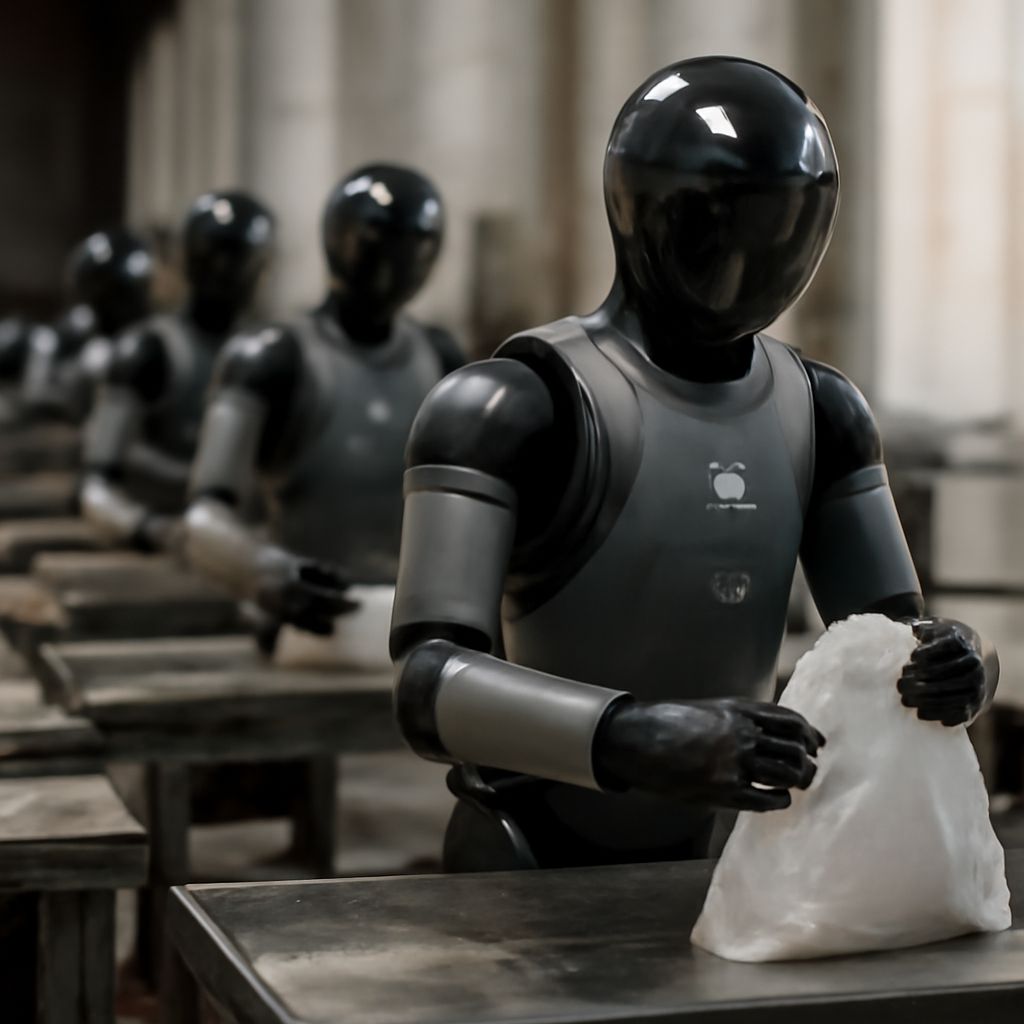
At a robot cafe Japan venue, the experience typically begins with a host robot greeting you at the door. Inside, robotic arms behind a transparent barrier mix cocktails with millimeter precision. Wheeled delivery robots navigate between tables using obstacle-avoidance algorithms, stopping beside your seat and announcing your order.
The robot cafe Japan venues are carefully choreographed. Some feature humanoid robots that perform dances between service rounds, others project synchronized light shows coordinated with robotic movement. The spectacle is deliberate — these cafes market themselves as experiences, not just restaurants.
Staff-to-robot ratios vary. Some venues operate with one human supervisor for every ten robot units, managing exceptions, refilling supplies, and ensuring safety. Others are nearly fully automated for select services.
Japan Robot Cafe Culture and Its Global Influence
Japan has always been at the frontier of robotics adoption. Cultural factors — including openness to technology and a service-oriented hospitality tradition — made japan robot cafe culture a natural development. The first robot-themed restaurants appeared in Tokyo in the early 2010s and have since multiplied across the country.
How Robot Dining Experiences Are Spreading Worldwide
The japan robot cafe model has been exported successfully to Singapore, South Korea, China, and several European cities. Each location adapts the concept to local tastes — some lean into fine dining aesthetics, others into family entertainment. The common thread is the visible integration of technology into service.
Robotics developers watch these venues closely. Real-world service environments expose the limitations of current systems and drive targeted improvements in robot hands, navigation, and customer interaction. The feedback loop between commercial deployment and R&D is accelerating progress across the field.
Robot cafes have also become informal showcases for manufacturers. A robot performing flawlessly in front of hundreds of daily visitors sends a more powerful message than any trade show demonstration. The public-facing nature of these venues is part of their strategic value.
The integration of robot eye systems, dexterous robot hands, and sophisticated navigation into hospitality settings represents one of the most visible faces of modern robotics. Whether you visit a robot cafe for the novelty or the food, you are witnessing the early chapters of a much larger story about how machines will serve, assist, and interact with people in everyday life.