Hemlock Philosophy, Rhizome Theory, and Your Philosophy of Early Childhood Education
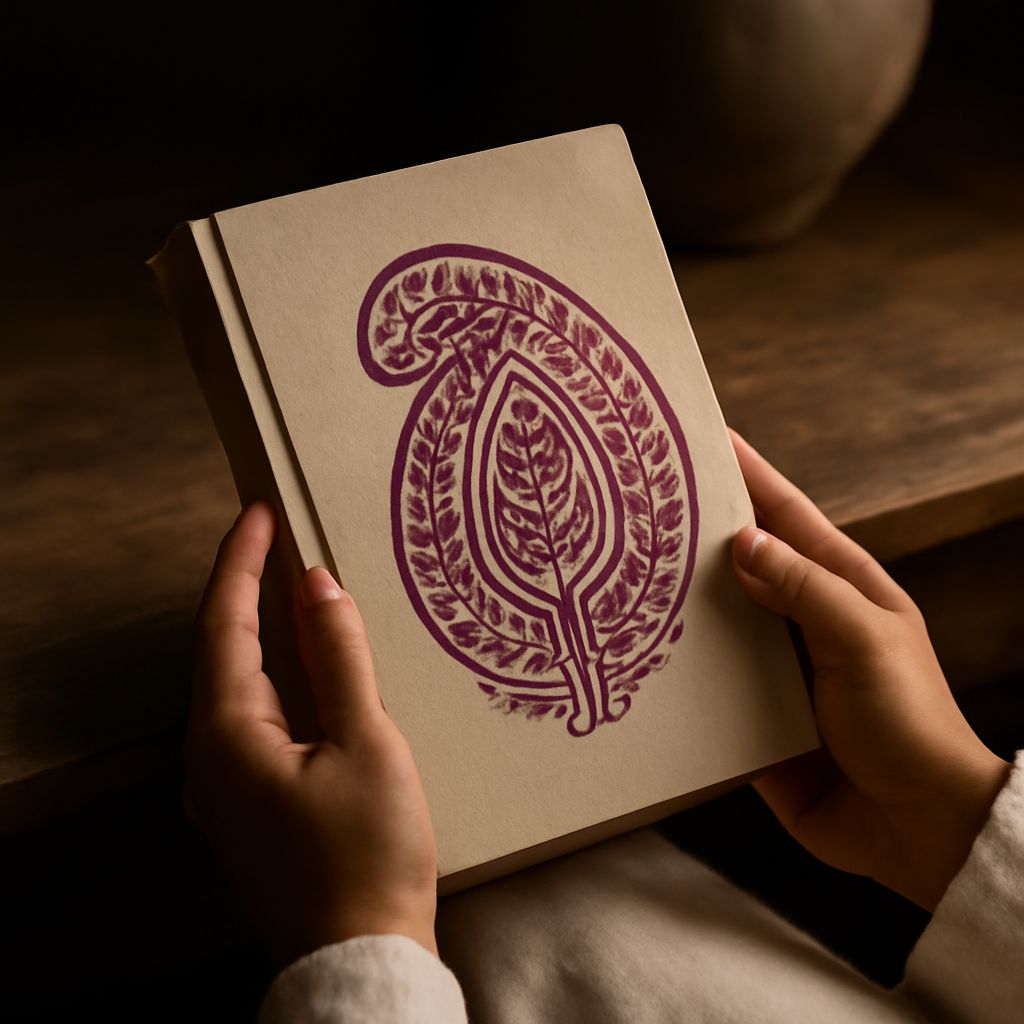
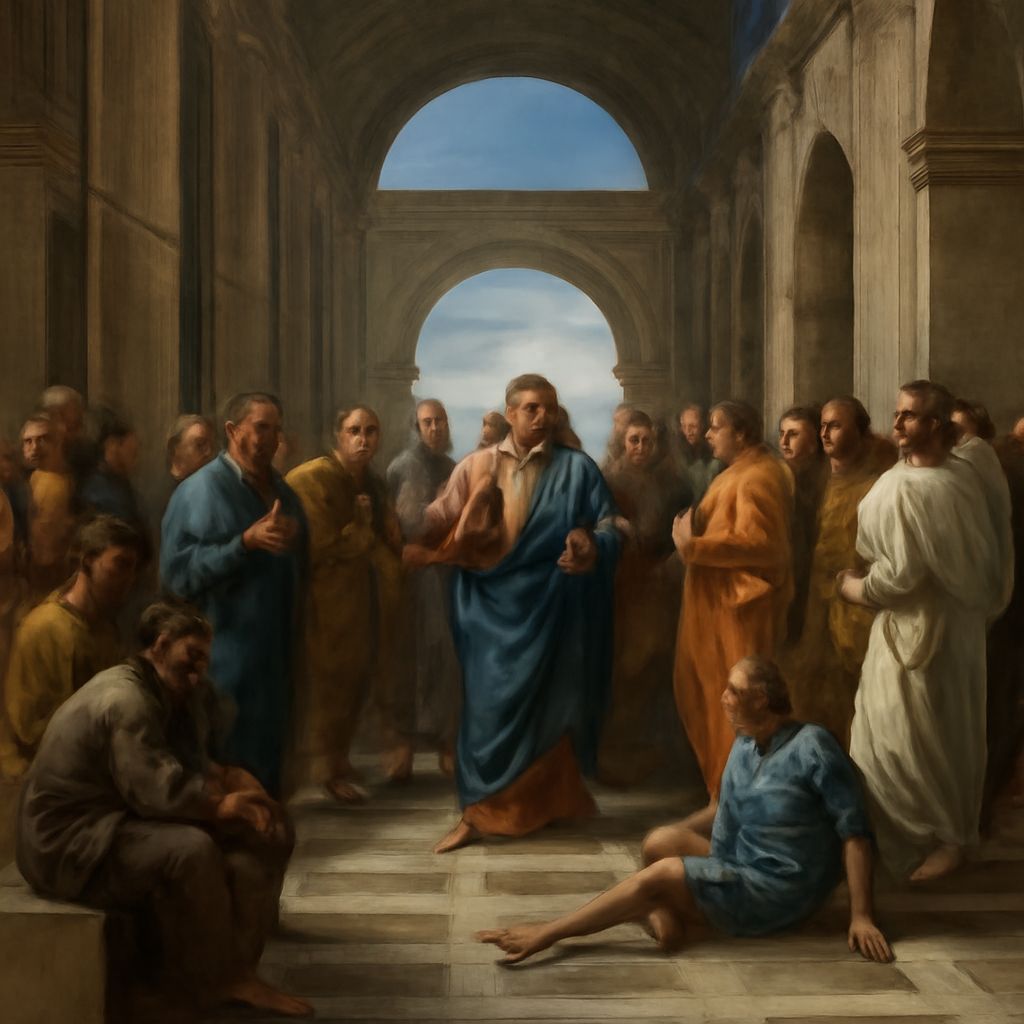
Hemlock philosophy — the tradition of Socratic inquiry, named for the poison hemlock that Socrates was made to drink — teaches that genuine wisdom begins with acknowledging what we do not know. This foundational humility has profound implications for education, particularly for those working with young children. Rhizome philosophy, developed by Gilles Deleuze and Félix Guattari, proposes an alternative to hierarchical, linear thinking — imagining knowledge as a rhizome (a root system that grows in multiple directions without a fixed center), rather than as a tree with a single trunk and ordered branches. The philosophy of early childhood education is the set of beliefs and values that guide how practitioners approach teaching, caring for, and supporting children from birth through age eight. Developing a clear and articulate early childhood education philosophy is not merely an academic exercise — it shapes daily decisions about space, materials, language, relationships, and curriculum. And when prospective teachers or program directors are asked “what is your philosophy of early childhood education,” the answer reveals far more than a set of opinions: it exposes a theory of the child, of learning, and of the educator’s role.
This article moves from ancient philosophical foundations to contemporary educational frameworks, helping educators build a coherent, grounded, and genuinely their own philosophy of practice.
From Hemlock to Rhizome: Philosophical Roots of Early Learning
How Ancient and Postmodern Thought Shape Child-Centered Education
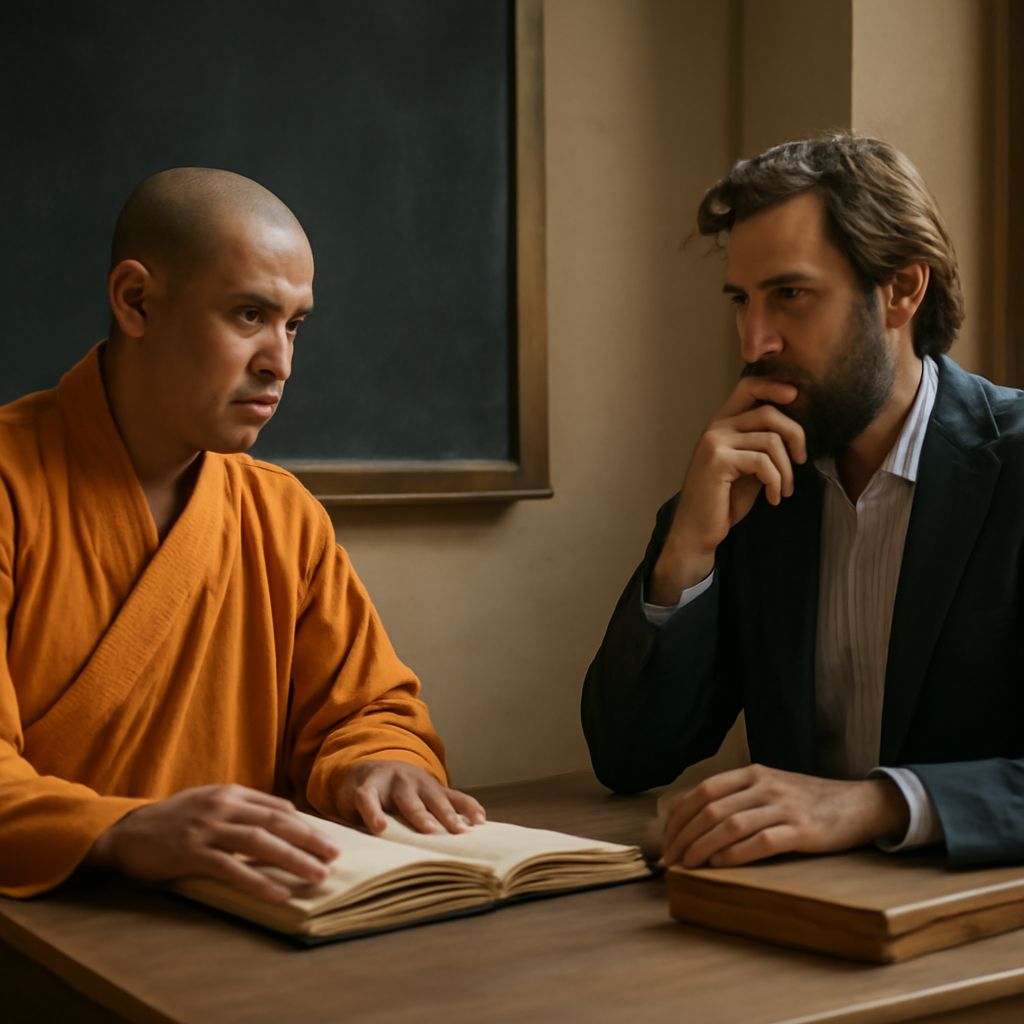
The hemlock philosophy tradition — Socratic dialogue, the examined life, the practice of questioning — is surprisingly applicable to early childhood settings. Young children are natural philosophers. They ask “why” without stopping, challenge received wisdom with disarming directness, and pursue understanding with a persistence that adults often lose. A Socratic approach to early education honors this instinct rather than suppressing it.
In practice, this means creating environments where questions are more valued than correct answers, where teachers ask more than they tell, and where children’s theories about the world are taken seriously and tested rather than dismissed. The spirit of hemlock philosophy — that wisdom comes through relentless questioning, not the accumulation of facts — maps directly onto constructivist approaches to early learning.
Rhizome philosophy offers a complementary framework. Deleuze and Guattari’s rhizome metaphor challenges the assumption that learning must proceed in a linear, hierarchical sequence — foundational skills first, complex understanding later. The rhizome model suggests that children (and all learners) enter knowledge from multiple starting points, following pathways that intersect and loop back rather than progressing in a single direction.
Reggio Emilia-inspired approaches to early childhood education are rhizomatic in practice. Projects emerge from children’s interests without predetermined endpoints. Documentation captures learning as it unfolds rather than measuring it against a preset sequence. Teachers follow children’s thinking rather than directing it toward a fixed curriculum. This is rhizome philosophy enacted in a sandbox and a studio.
Building a Philosophy of Early Childhood Education
What Your Answer Reveals About Your Theory of the Child
The philosophy of early childhood education you hold answers fundamental questions whether you have articulated them explicitly or not: Do you believe children are inherently competent, or primarily dependent? Is play the primary vehicle of learning, or is it separate from academics? What is the appropriate balance between child-directed and teacher-directed activity? What role does relationship — between child and teacher, child and peers, child and family — play in the learning process?
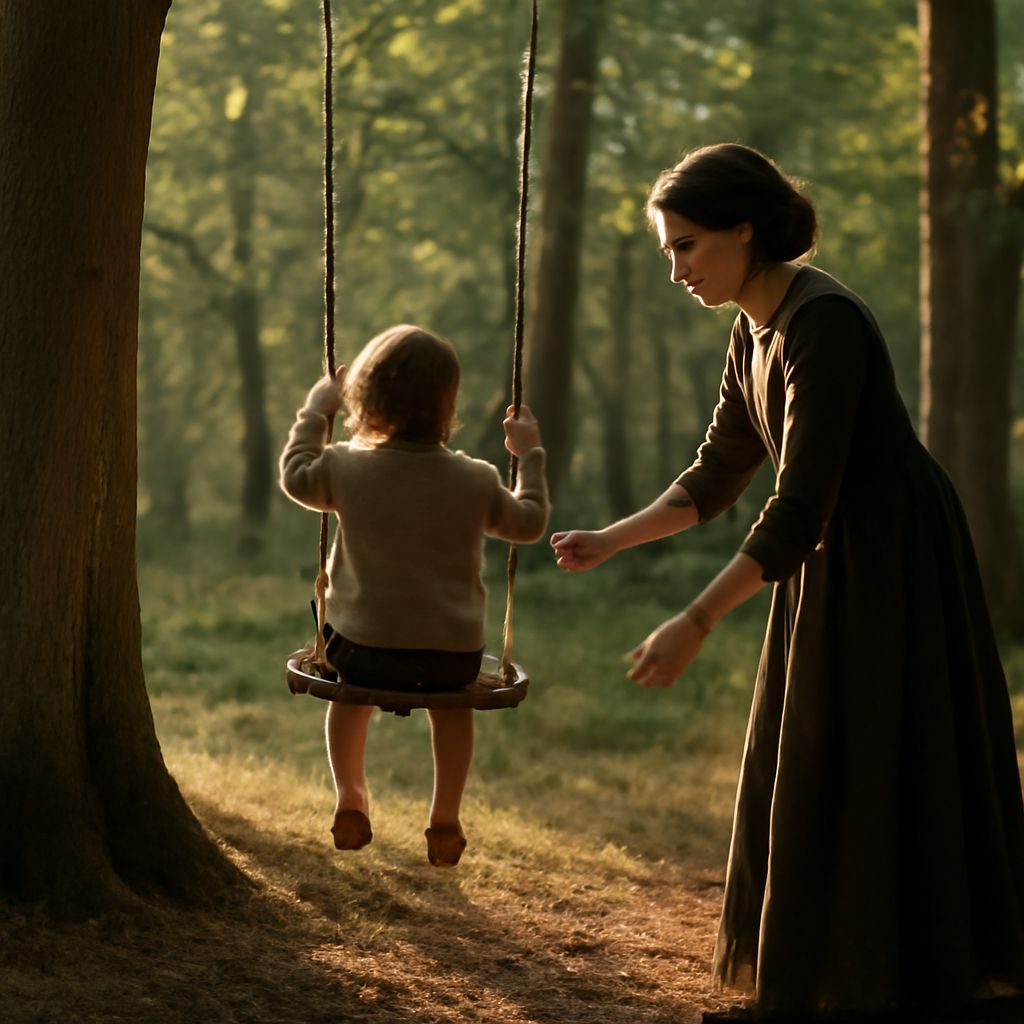
Different answers to these questions produce radically different educational practices. A teacher who believes children are fundamentally incompetent will over-scaffold, correct constantly, and speak more than she listens. A teacher who believes children are inherently capable will create conditions for exploration, observe before intervening, and trust the process even when the outcomes look messy.
Your early childhood education philosophy should be grounded in developmental science — what we actually know about how young children learn and develop — but it should also reflect your genuine values, your experience, and your understanding of the communities you serve. A philosophy borrowed wholesale from a theorist or program feels hollow in practice. One built through reflection, observation, and the courage to examine your own assumptions has staying power.
When answering the question “what is your philosophy of early childhood education” in an interview or professional statement, the strongest responses are specific and grounded. They cite particular theorists or frameworks (Vygotsky, Dewey, Malaguzzi, Bronfenbrenner) but relate them to observed practice. They acknowledge tensions — between play and preparation for formal schooling, between respecting family culture and providing evidence-based practice — rather than pretending they do not exist.
The question of what is your philosophy of early childhood education is ultimately a question about what you believe childhood is for. Is it preparation for later stages, or is it valuable in itself? Is the child a future adult to be shaped, or a present person to be known and supported? The answers you hold — consciously or not — will determine what kind of educator you are.