Future Home, Future Legends, and Dystopian Futures: What Stories Teach Us
The homes we imagine for the future reveal what we most deeply want and most deeply fear. A future home — smart, adaptive, sustainable, and intimately connected to its inhabitants’ needs — represents an aspiration toward comfort, efficiency, and security. The concept of future legends — the heroes, innovators, and visionaries who will shape what comes next — reflects our need to project human agency onto an uncertain horizon. Dystopian future movies populate the imagination with cautionary visions: surveillance states, environmental collapse, corporate totalitarianism, and the erosion of what makes life worth living. Dystopian future books go deeper still, exploring the interior psychology of people living under oppressive systems — and revealing truths about present conditions that are easier to examine through the distancing lens of fiction. And dystopian future novels from authors like Orwell, Huxley, Atwood, Le Guin, and Butler have shaped political thinking, activist vocabulary, and cultural self-understanding in ways that non-fiction rarely matches.
This article explores what our collective fascination with future homes and dystopian stories reveals about present anxieties and enduring human values.
Smart Homes, Surveillance, and the Dystopian Imagination
What Future Home Design and Dark Fiction Share
The future home of 2040 is already taking shape. Voice-activated systems manage lighting, temperature, security, and entertainment. Predictive algorithms learn occupant preferences and automate routine tasks. Health sensors monitor sleep quality, air composition, and ambient stress markers. The home becomes an intimate data collection environment — responding, adapting, and optimizing.
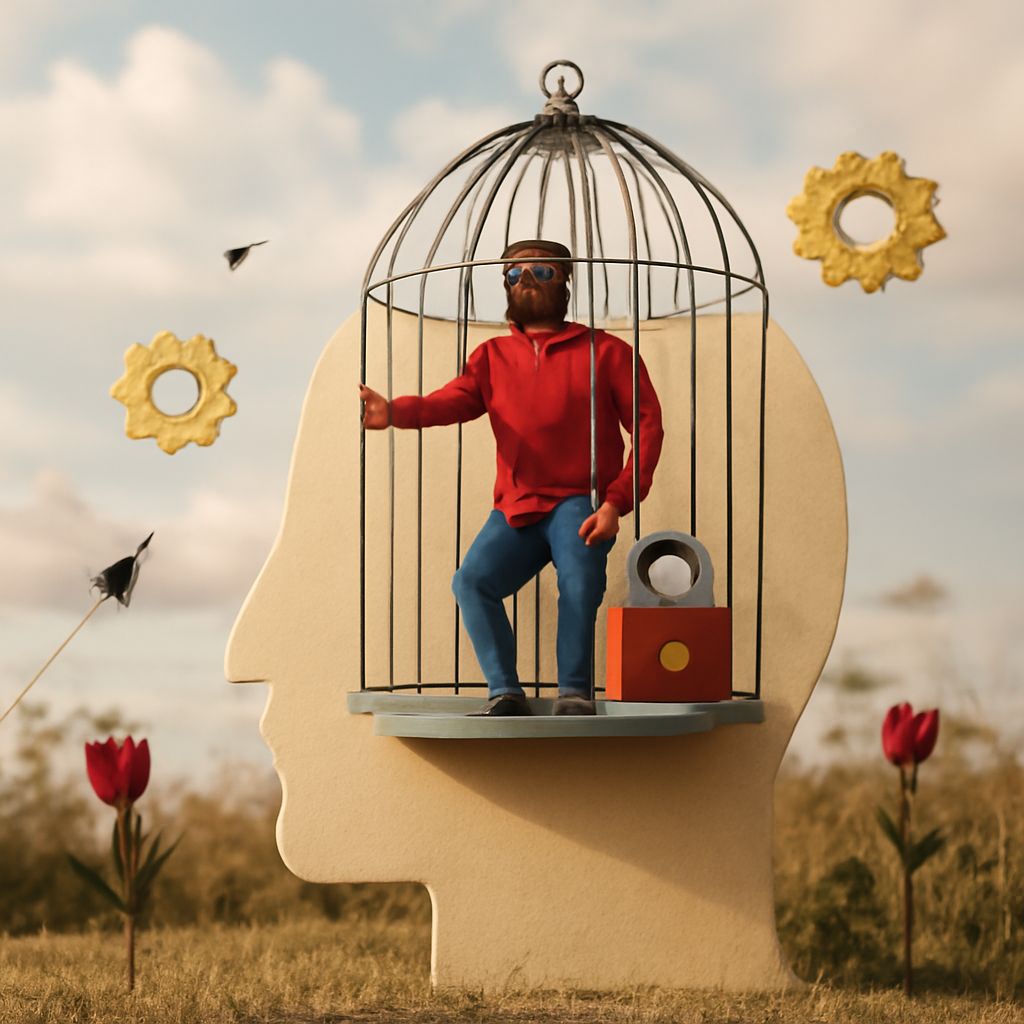
This vision is simultaneously compelling and unsettling. The future home that adapts to you is also the home that knows everything about you. Who has access to that data? How is it used? What happens when it is hacked, sold, or subpoenaed? These are not paranoid questions — they are engineering and policy questions that the industry has not fully resolved.
The connection to dystopian fiction is not accidental. Dystopian future movies like “Minority Report,” “Gattaca,” and “Her” explore exactly these tensions: what happens when the personalized, predictive environment becomes the panoptic surveillance environment? These films are thought experiments made visible — and they are remarkably accurate predictors of the policy debates that smart home technology has already generated.
Future Legends and the Stories We Tell Ourselves
Heroes, Warnings, and the Moral Imagination
Future legends are the people we are already beginning to mythologize as shapers of what comes next — figures in technology, climate action, medicine, and social justice whose work will be evaluated differently by the historians of 2080 than by contemporary observers. Every generation creates its legends. The values that determine who becomes legendary reveal the priorities of the civilization producing them.
The future legends of the climate era will likely be the scientists, policymakers, and community organizers who identified the crisis clearly and built the coalitions to respond effectively — not necessarily the most famous figures, but those whose work proved durable. History has a way of elevating the systemic over the spectacular when enough time has passed for outcomes to become clear.
Dystopian future books typically feature an inverse of legend: the anti-hero surviving in a degraded world, or the rebel resisting a totalitarian system. These protagonists are not legendary in the conventional sense — they are ordinary people in extraordinary circumstances, whose choices reveal character under pressure. This is why dystopian fiction is such powerful moral education: it presents ethical dilemmas in extreme form, forcing readers to ask what they would actually do.
The most enduring dystopian future novels — “1984,” “Brave New World,” “The Handmaid’s Tale,” “Parable of the Sower,” “The Left Hand of Darkness” — share a common quality: they are fundamentally about the present, not the future. They use speculative settings to examine real tendencies in contemporary society, amplified to their logical conclusions. Reading them is an act of political and psychological recognition, not mere entertainment.
Dystopian future novels have proven remarkably accurate in their diagnoses. Orwell’s surveillance state, Huxley’s entertainment-drugged masses, Atwood’s religiously-coded patriarchy, Butler’s climate refugees — each of these scenarios has found partial realization in the decades since their publication. This is not because the authors were prophets but because they were extraordinarily careful observers of trends already present in their own times.
The practical value of engaging seriously with dystopian future movies and literature is not despair but clarity. When a society knows what it does not want to become — when those failure modes have been vividly imagined and emotionally inhabited — it is better equipped to recognize the early warning signs and choose differently. The dystopian imagination is ultimately in service of the utopian impulse.
Bottom line: The future home represents our highest aspirations for how technology can serve human flourishing. Dystopian future books and films represent our most honest fears about where unchecked power and uncritical adoption of technology lead. Between these poles — aspiration and warning — lies the actual work of building a future worth inhabiting. Future legends will be those who navigate that space with wisdom and courage.