Robot Birds, Robot Cosplay, and the Engineering Behind Climbing Robots
The world of robotics is far more creative and diverse than most people realize. Robot birds are biomimetic machines designed to mimic avian flight with remarkable precision. Meanwhile, robot cosplay brings mechanical characters to life at conventions around the world, blending art and engineering in unexpected ways.
In online communities, the thicc robot aesthetic celebrates robots with curves, presence, and personality rather than the sleek minimalist designs typical of industrial machines. And in research labs and urban environments, both the wall climbing robot and the climbing robot are solving practical problems in building inspection, military surveillance, and search-and-rescue operations.
Robot Birds: Biomimetic Flight in Modern Robotics
How Bird-Inspired Robots Work
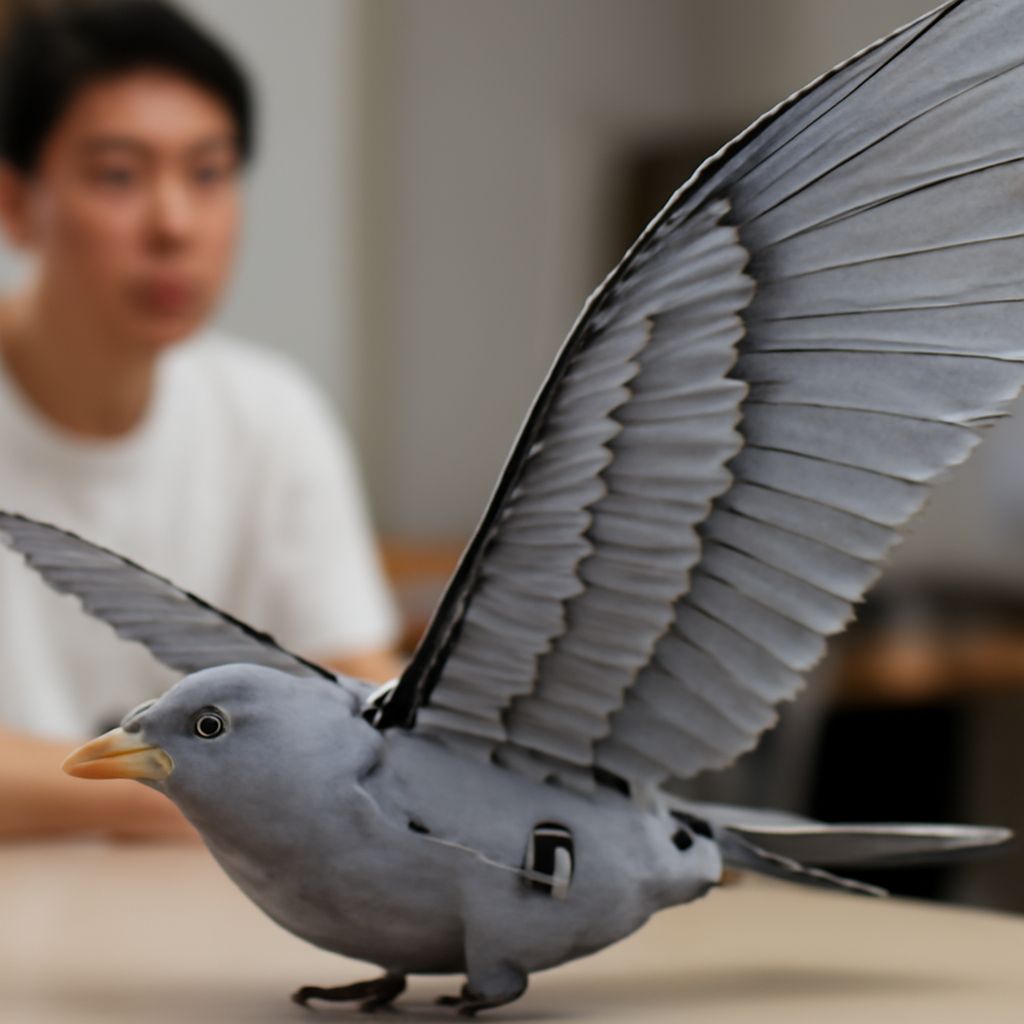
Robot birds use flapping-wing mechanisms that replicate the aerodynamics of real birds. Unlike drones with spinning rotors, bird robots generate lift and thrust by moving wing-shaped structures up and down. This approach is more energy-efficient at low speeds and allows quieter, more agile movement.
Companies like Festo have developed famous examples of robot birds, including the BionicFlyingFox and BionicSwift. These machines use lightweight carbon fiber frames, fabric wings, and onboard sensors to navigate in real environments. They demonstrate that robot birds can perform coordinated flight maneuvers in groups.
Biomimetic flying robots are being explored for wildlife monitoring, pollination assistance, and even security applications. Their silent flight and bird-like appearance make them less alarming in natural settings than conventional drones.
Robot Cosplay and the Thicc Robot Aesthetic in Fan Culture
Robot cosplay is a genre of costume design where participants build elaborate robotic characters using foam, thermoplastics, LEDs, and sometimes actual electronics. Popular references include characters from Destiny, Overwatch, Halo, and various anime series. The best robot cosplay builds take hundreds of hours and combine artistic craftsmanship with engineering skill.
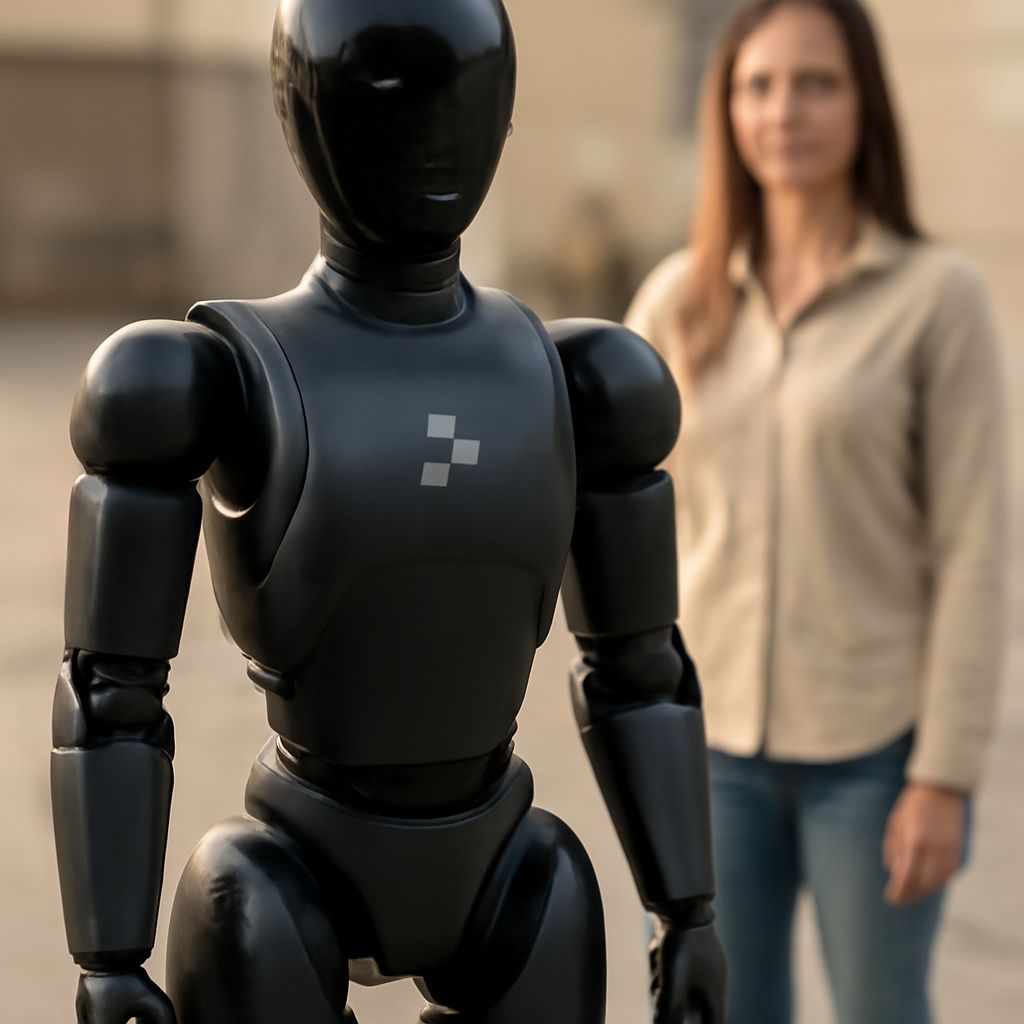
Within cosplay and fan art communities, the thicc robot concept pushes back against the typical angular, inhuman robot aesthetic. Thicc robot designs give mechanical characters humanized proportions — broader hips, curved forms, and softer lines. Artists and cosplayers use this style to explore themes of identity, beauty standards, and what it means to be robotic.
Robot cosplay communities share tutorials, materials lists, and build diaries online. Platforms like YouTube, Reddit, and Instagram have made it easy for new builders to learn from experienced designers. The thicc robot trend has its own dedicated fan art subreddits and hashtag communities.
Wall Climbing Robot and Climbing Robot Engineering Explained
A wall climbing robot uses adhesion systems to move vertically across surfaces. Common adhesion methods include vacuum suction, magnetic attraction (for metal surfaces), electrostatic adhesion, and bioinspired dry adhesion that mimics gecko feet.
Research institutions and startups have developed climbing robot systems for inspecting skyscrapers, bridges, ships, and pipelines. These robots replace human workers in dangerous, high-altitude environments. A wall climbing robot equipped with cameras and sensors can map surface cracks, corrosion, or leaks without scaffolding or rope access.
The engineering challenges for a climbing robot are significant. The adhesion system must be strong enough to hold the robot’s weight but reversible enough to allow movement. The robot must maintain stability across curved or uneven surfaces. Power management is also critical — most climbing robot designs use tethered power or high-density battery packs.
Advances in materials science and microcontroller technology are making wall climbing robot systems smaller, cheaper, and more reliable. In the near future, fleets of climbing robots may autonomously inspect buildings and infrastructure the way robotic vacuum cleaners now manage floors.