Robot names tell you a lot about what a machine is built to do. Some are functional codes; others are meant to feel human and approachable. Robot facts reveal just how far the field has come in a short time. The arm robot, one of the most common types in industrial settings, can perform tasks with more precision than any human hand. Evil robot names from science fiction reflect real anxieties about AI and automation. And robot dog names, given to four-legged robotic systems, show how we anthropomorphize machines even when they are clearly mechanical.
Robot Names Across Industry and Fiction
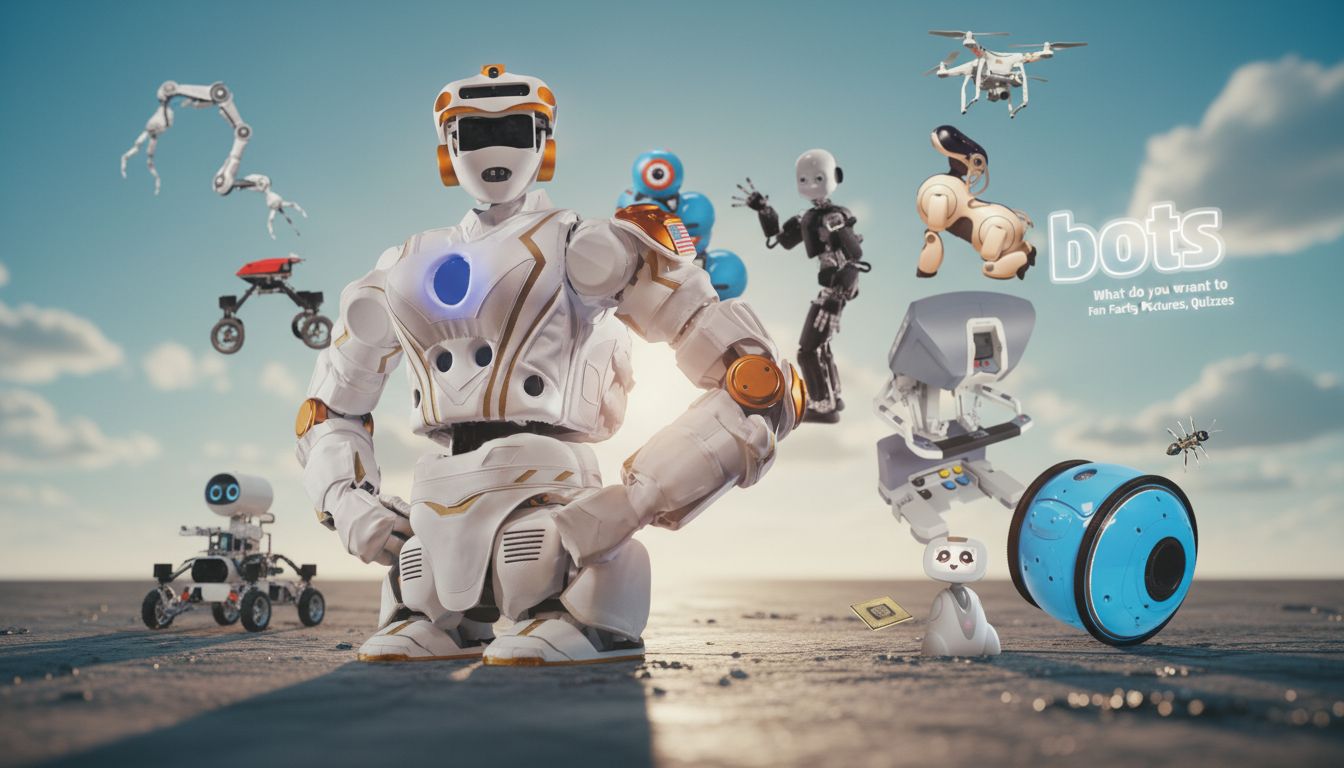
Real-world robot names often follow a functional pattern. Industrial robots in manufacturing plants get alphanumeric identifiers: FANUC’s M-20iD, ABB’s IRB 6700, Kuka’s KR QUANTEC. These robot names prioritize specs over personality. The naming logic signals load capacity, reach, and model generation.
In consumer and service robotics, names shift toward approachability. Pepper, ASIMO, NAO, and Spot are robot names designed to feel friendly. Boston Dynamics named their quadruped Spot partly because “spot” is a common dog name, easing the discomfort some people feel around robots with animal-like movement.
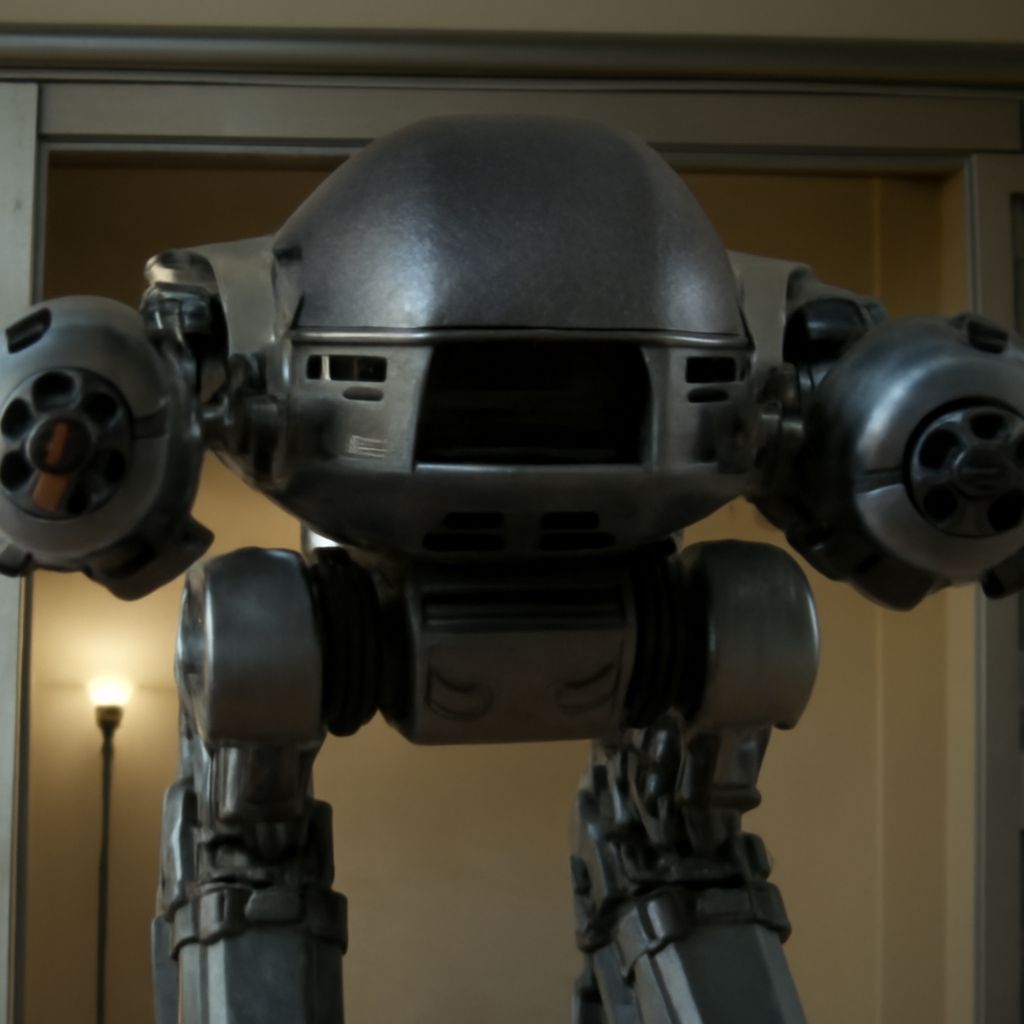
Evil robot names come from decades of science fiction shaping how we think about machines with agency. Skynet, HAL 9000, AM (from Harlan Ellison’s “I Have No Mouth, and I Must Scream”), SHODAN, and Ultron are among the most recognized. These names share a quality: they sound neutral or even pleasant, which makes the menace more effective. “HAL” is just three letters. The contrast between the bland name and the terrifying behavior is part of what makes evil robot names stick.
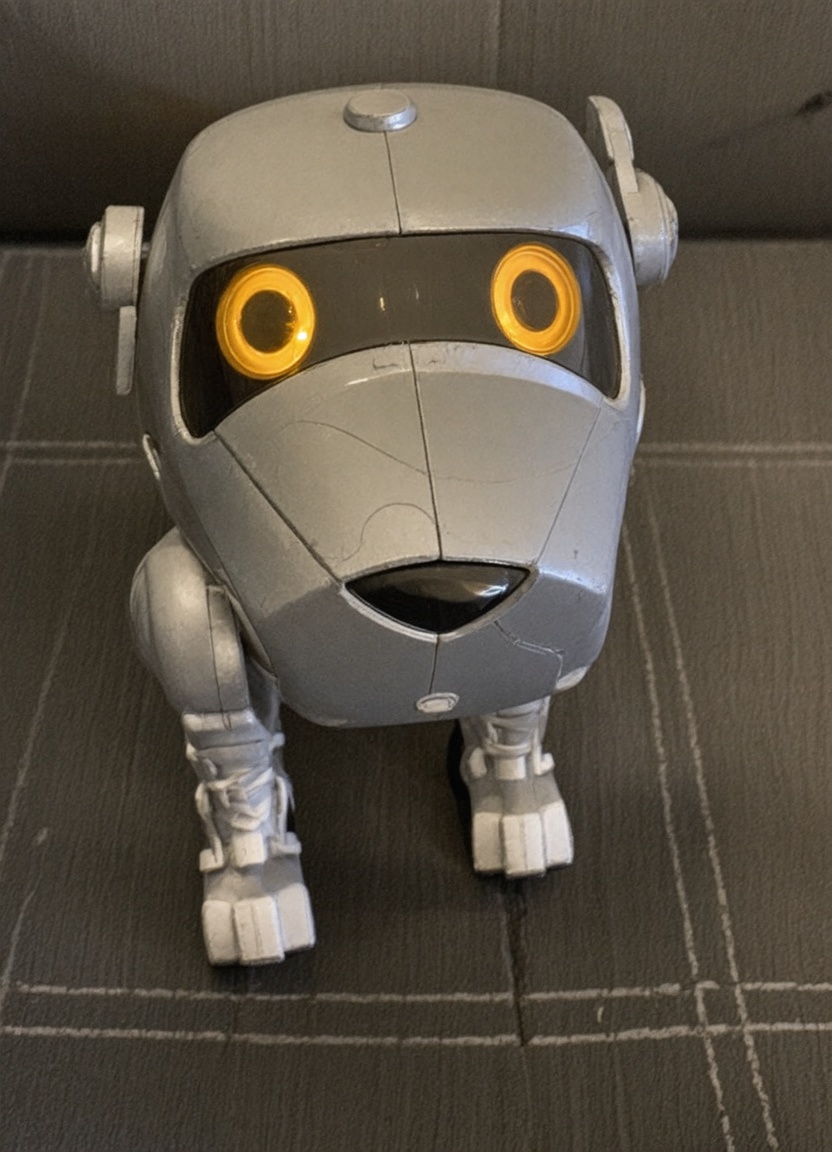
Robot dog names follow similar patterns. Boston Dynamics’ Spot, Sony’s AIBO, and the many custom-built quadrupeds in research labs often get names like Rex, Fido, or Scout. Owners of commercial robot dogs sometimes hold naming contests, which shows how quickly people bond with mechanical animals.
Key Robot Facts Worth Knowing
Robot facts put the scale of this technology in context. Here are some that matter:
- There are over 3.5 million industrial robots operating worldwide, according to the International Federation of Robotics.
- An arm robot can repeat a task with positional accuracy of 0.05 mm or better, far beyond human hand precision.
- Japan has the highest robot density in manufacturing, with over 400 robots per 10,000 workers in some sectors.
- The first industrial robot, Unimate, was installed at a General Motors plant in 1961 to handle hot metal parts.
- Modern surgical robots like the da Vinci system have been used in over 10 million procedures worldwide.
These robot facts show that robotics is not emerging technology. It has been transforming manufacturing, medicine, and logistics for over 60 years.
The Arm Robot: Core of Industrial Robotics
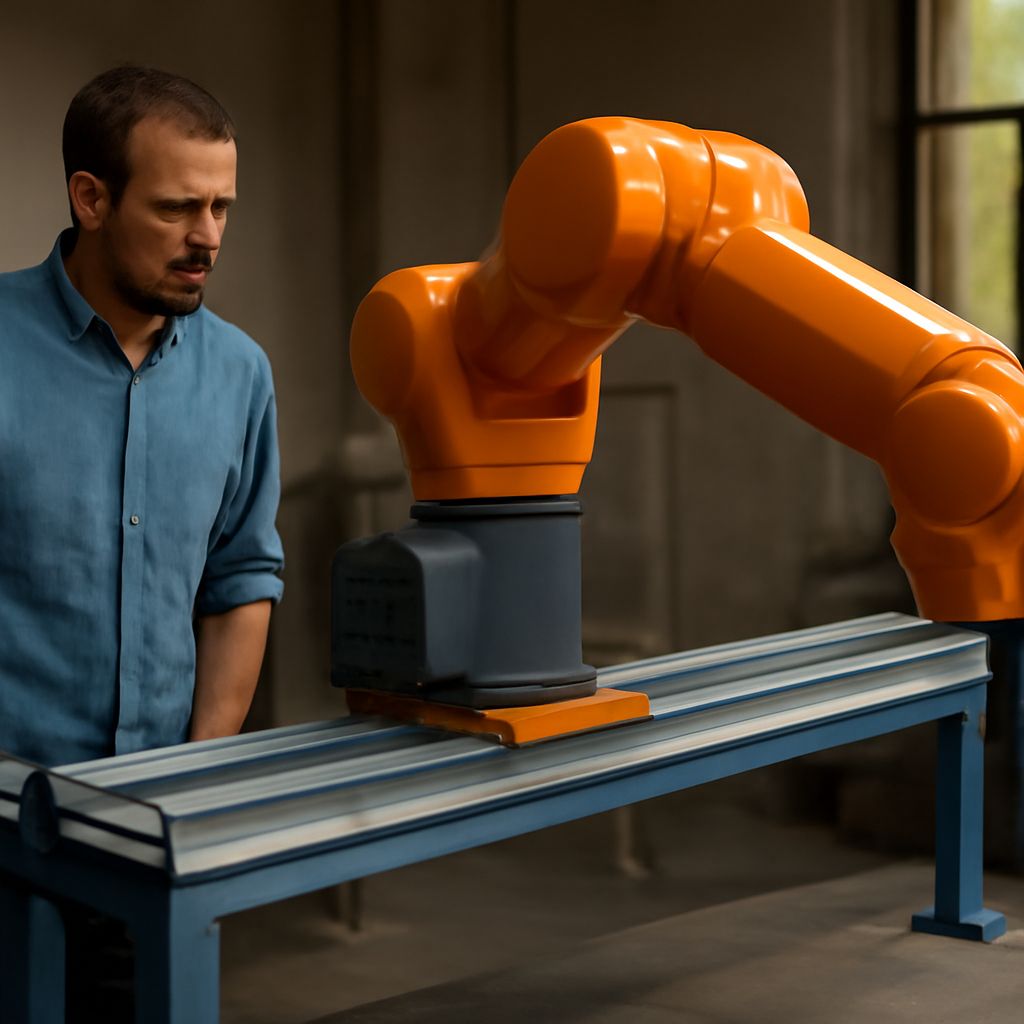
The arm robot is the workhorse of modern manufacturing. It typically has six degrees of freedom, meaning it can rotate and extend in ways that replicate a human arm’s range of motion. Welding, painting, assembly, palletizing, and material handling are the most common applications.
An arm robot works in a fixed position in most industrial settings, though mobile robotic arms mounted on AGVs (Automated Guided Vehicles) are increasingly common in flexible manufacturing environments. The payload capacity of arm robots ranges from a few kilograms to over 1,000 kg for heavy industrial models.
Collaborative arm robots, or cobots, are a newer category. These arm robots work alongside humans rather than in caged, isolated cells. Brands like Universal Robots, Fanuc, and ABB all offer cobot lines designed for close human-robot collaboration.
Robot dog names and evil robot names may get more cultural attention, but the arm robot is where robotics has the most direct economic impact. Understanding how arm robots work and what they can do gives you a clearer picture of where automation is heading in the next decade.