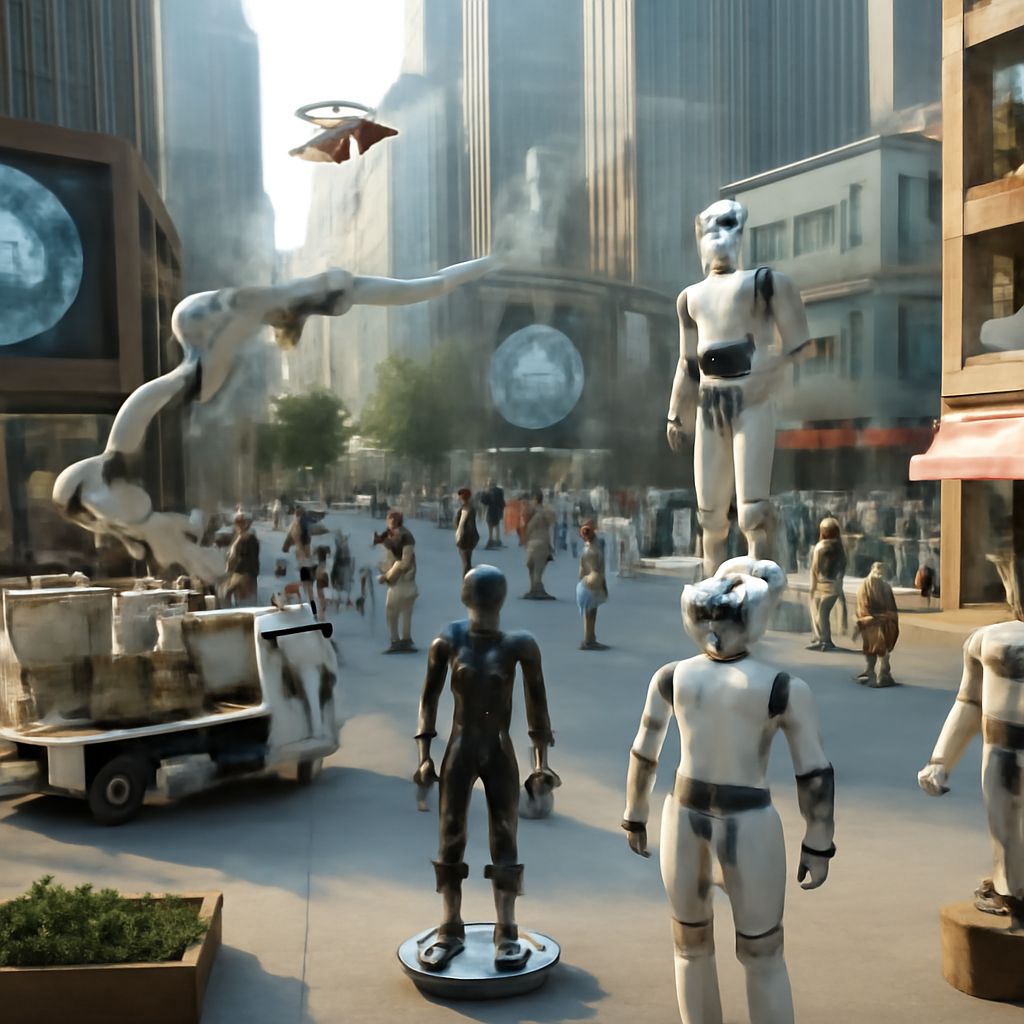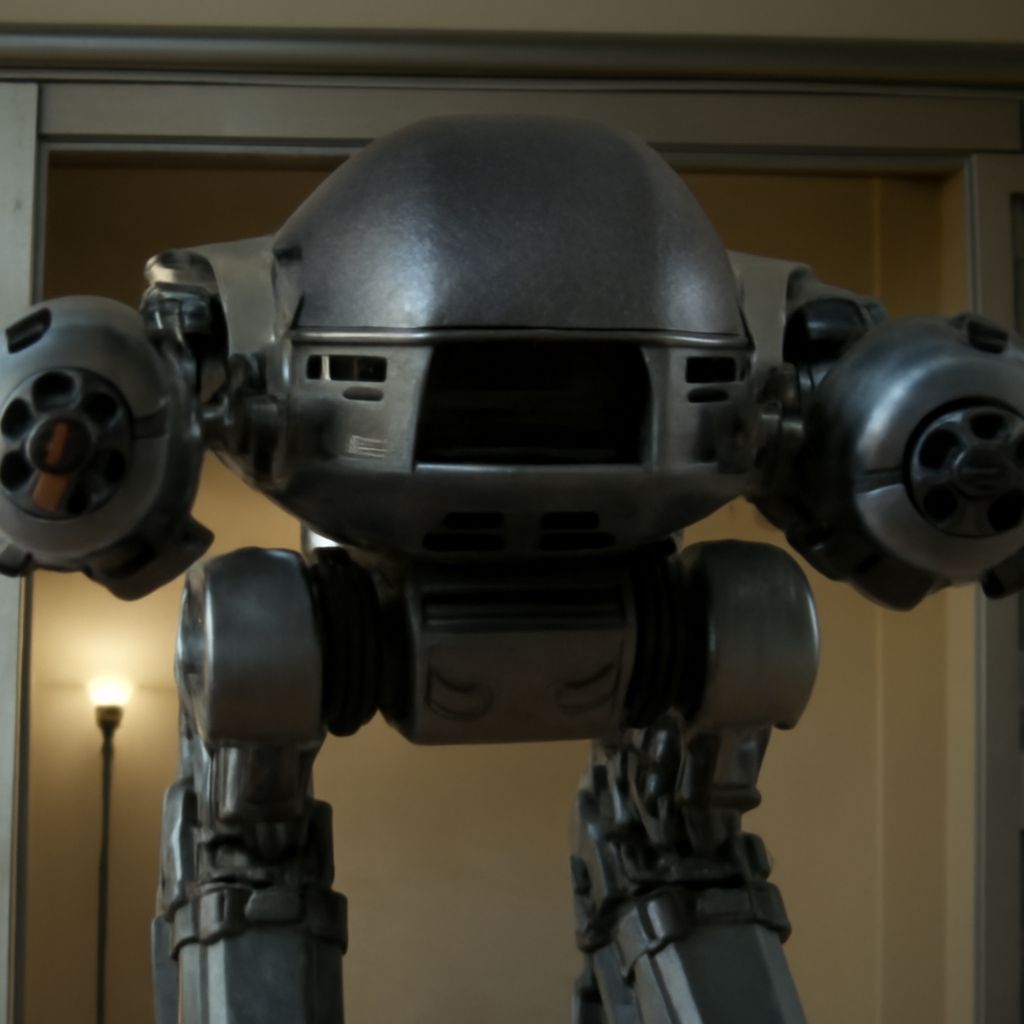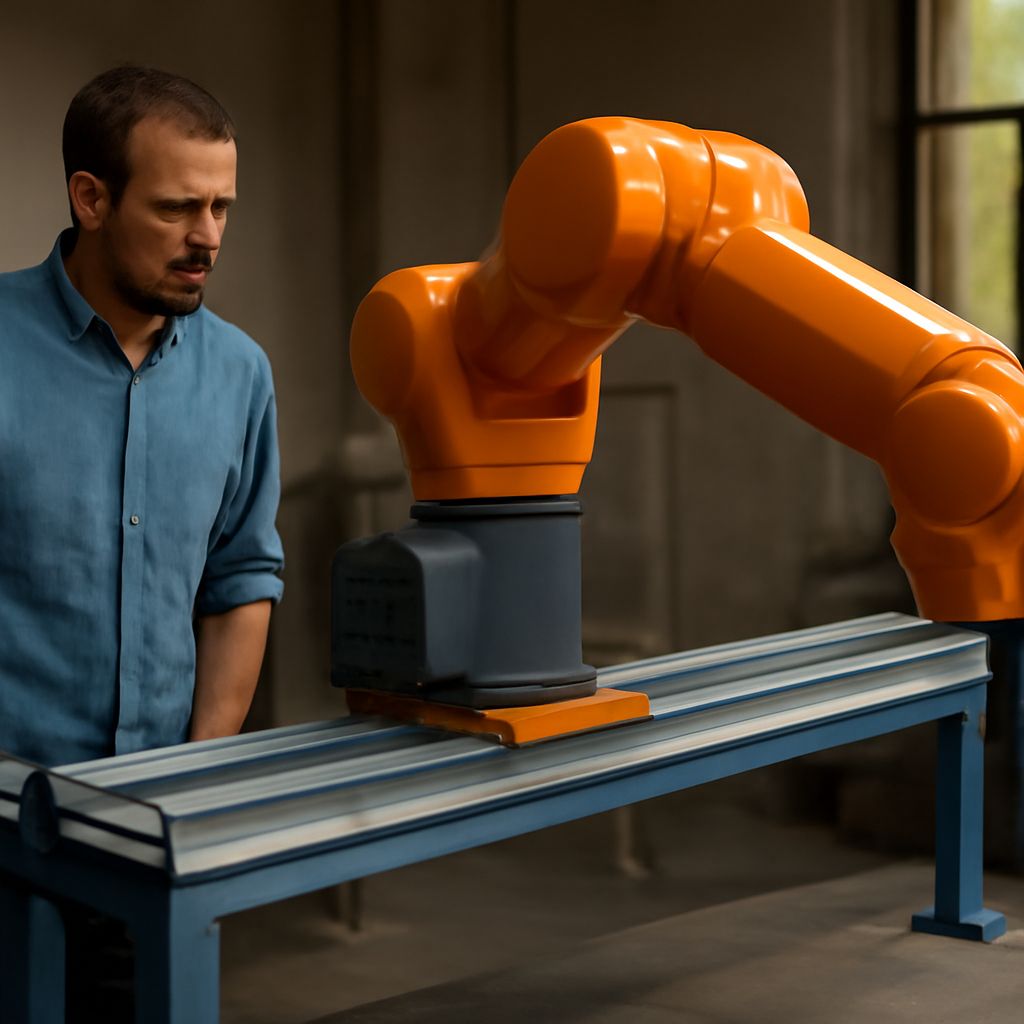
The image of a robot factory with mechanical arms on assembly lines is decades old. But the scope of robotics has expanded far beyond manufacturing. A robot army is no longer only science fiction; defense contractors and national militaries are actively testing autonomous platforms. In medicine, the idea of a robot doctor is becoming practical reality as surgical systems and diagnostic AI tools move into hospitals. The distinction between robot doctors as surgical tools and AI-assisted diagnostics blurs constantly. And the broader vision of a thinking robot that can reason about novel problems is driving the next generation of research.
Each of these domains involves genuinely different technology, different regulatory environments, and different social implications. This article looks at each one clearly.
From Robot Factory to Thinking Robot: The Expanding Scope of Robotics
The robot factory model is built on repetition. Industrial robots excel at tasks that are precisely defined, physically demanding, and performed at high volume. The automotive industry deployed these systems starting in the 1960s. Today, a single vehicle assembly plant may have hundreds of robotic arms performing spot welding, painting, and parts installation with sub-millimeter precision.
What changed is the range of tasks robots can handle. The shift from structured factory settings to unstructured environments like hospitals, disaster zones, and open roads required different capabilities entirely. Moving from a robot factory to a mobile robot requires the system to navigate uncertain terrain, identify objects it has never seen before, and make decisions in real time.
The robot army discussion sits at the extreme of this trend. Military applications include ground vehicles for logistics and reconnaissance, aerial drones for surveillance and strike missions, and marine platforms for underwater operations. The ethical and legal frameworks around lethal autonomous weapons systems are actively debated at the United Nations level. Many defense analysts argue for maintaining meaningful human control over life-and-death decisions regardless of how capable autonomous platforms become.
Robot army deployments already exist in non-lethal forms. Bomb disposal robots have saved lives for decades. Autonomous logistics vehicles move supplies in forward operating areas. The line between these clearly beneficial applications and more concerning autonomous weapons is one that policymakers are working to define.
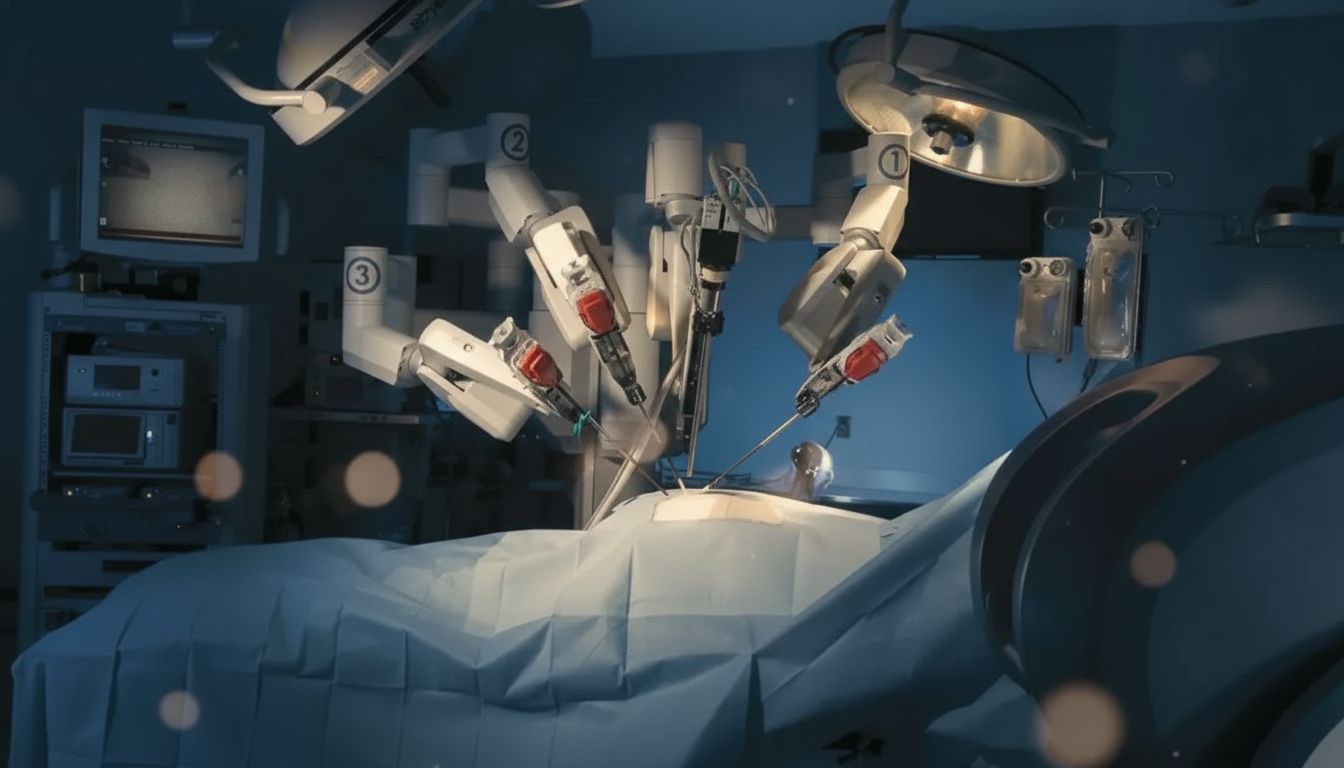
In healthcare, the robot doctor concept has moved from concept to clinical reality. The da Vinci surgical system, used in millions of procedures worldwide, gives surgeons greater precision and range of motion during minimally invasive operations. The surgeon controls every movement; the system translates their inputs into smaller, steadier motions. These robot doctors do not operate independently. They amplify human skill.
The next generation of robot doctors may take on more independent roles. AI diagnostic systems already analyze radiology images with accuracy comparable to specialist physicians in some domains. Pathology analysis, retinal screening, and skin lesion assessment are areas where machine performance rivals or exceeds human performance on standard benchmarks. This does not mean robot doctors will replace physicians. It means physicians will increasingly work alongside systems that handle pattern recognition at a scale no single human can match.
The thinking robot represents a longer horizon. Current AI systems are narrow: they excel at specific tasks but cannot transfer that capability to unrelated problems. A chess-playing AI cannot drive a car. A diagnostic imaging AI cannot hold a medical conversation. A true thinking robot would need something closer to general reasoning, the ability to apply knowledge from one domain to novel problems in another.
Researchers in artificial general intelligence (AGI) are pursuing this, but there is no scientific consensus on when or whether human-level general reasoning in machines is achievable. The thinking robot remains a research goal rather than an engineering milestone with a clear timeline.
What is clear is that robotics across all these domains, factory, military, medical, and research, is advancing faster than the social and regulatory frameworks that govern it. The robot factory optimized for efficiency raises questions about workforce displacement. The robot army raises questions about accountability and the laws of war. Robot doctors raise questions about liability when automated systems make errors. The thinking robot raises questions about consciousness, rights, and what it means to be human.
Each of these questions deserves more careful public attention than it currently receives. The technology will not wait for consensus. Engaging with it seriously now, before deployment outpaces governance, is the more responsible path.