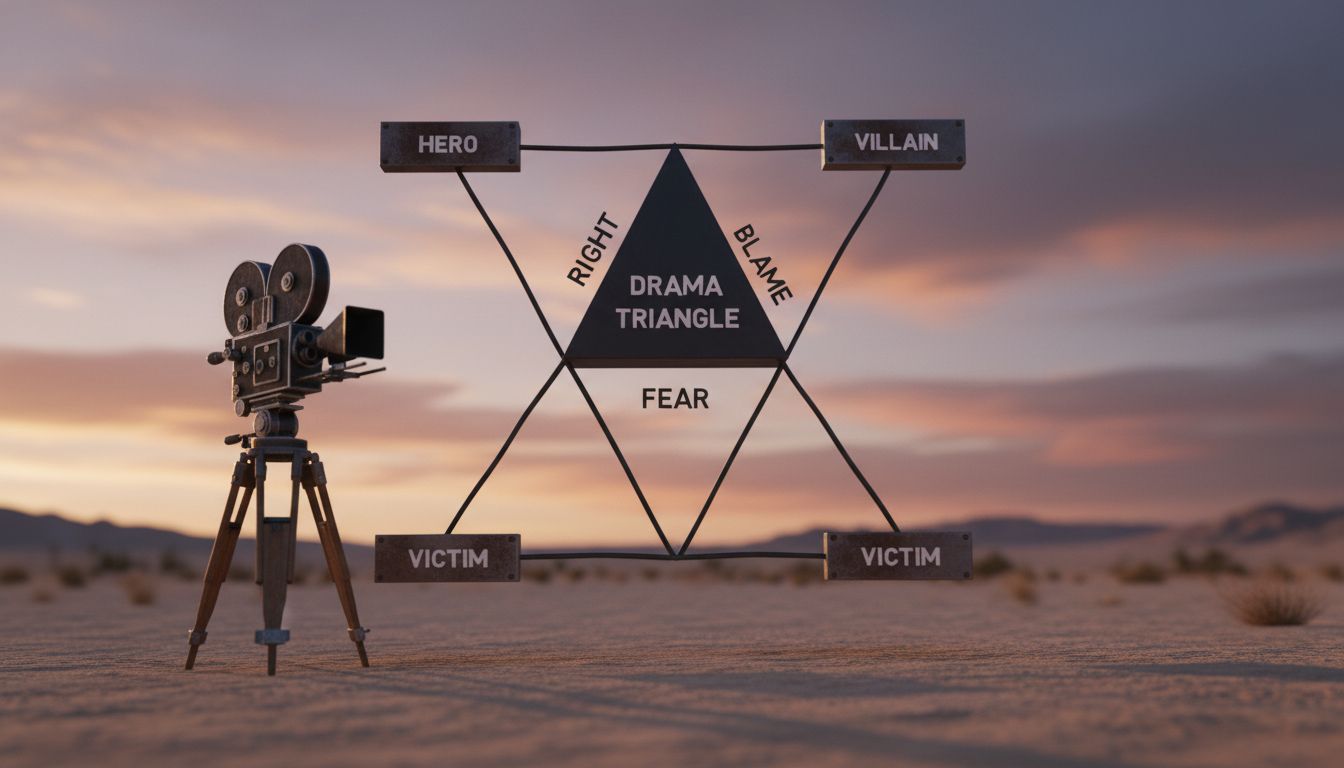
Shadow psychology originates with Carl Jung’s concept of the shadow: the unconscious part of the personality containing traits, desires, and memories the conscious self refuses to acknowledge. Working with the shadow is central to Jungian psychotherapy and has spread widely into popular psychology. The psychology triangle is a separate but related concept describing power dynamics in relationships, most commonly known as the drama triangle.
Yoga psychology brings contemplative and somatic traditions into conversation with Western psychological frameworks, offering tools for working with the body, breath, and attention as routes to psychological integration. Psychology shadow work and yoga overlap significantly in their emphasis on turning toward what is uncomfortable rather than avoiding it. And theoretical psychology provides the meta-level framework for evaluating and comparing all these approaches.
Core Concepts Across Shadow, Triangle, Yoga, and Theory
Shadow psychology holds that what we reject in ourselves doesn’t disappear. It gets projected outward onto other people or expressed in behavior we don’t consciously intend. When someone reacts with disproportionate anger to another’s weakness, the shadow psychology interpretation is that they’re encountering a disowned part of themselves. The work involves recognizing and integrating these projected qualities.
Psychology shadow integration isn’t about becoming dark or indulging suppressed impulses. It’s about conscious acknowledgment. Jung argued that the shadow contains not just undesirable traits but also unlived potential, creative capacities, and strengths that got suppressed alongside the genuine problem areas. Reclaiming those capacities is part of what makes shadow work valuable.
The psychology triangle, developed by Stephen Karpman as the Drama Triangle, describes three roles that people unconsciously adopt in conflicted relationships: Persecutor, Victim, and Rescuer. Each role maintains a dysfunctional pattern while preventing genuine resolution. Psychology triangle dynamics show up in families, workplaces, therapy relationships, and political discourse. Recognizing which role you’re playing is the first step to exiting the pattern.
Yoga psychology draws from traditions including Patanjali’s Yoga Sutras, Vedantic philosophy, and contemporary mind-body research. It treats psychological suffering as arising partly from misidentification: believing you are your thoughts, emotions, and body sensations rather than the awareness that observes them. Yoga psychology practices, including pranayama, meditation, and physical postures, work to loosen this misidentification.
The overlap between yoga psychology and shadow psychology is substantial. Both emphasize turning toward experience rather than away from it. Both work with the body as well as the mind. And both treat integration, rather than suppression or indulgence, as the therapeutic goal. Practitioners increasingly draw from both traditions simultaneously.
Theoretical psychology examines the assumptions underlying psychological theories, the methods used to test them, and the values embedded in clinical practice. It asks questions like: What counts as evidence in psychology? Whose suffering gets theorized about and whose gets ignored? How do cultural values shape what psychological health looks like?
Theoretical psychology provides the critical scaffolding needed to evaluate frameworks like shadow psychology, the psychology triangle, and yoga psychology honestly. Without theoretical scrutiny, any framework can become dogma. With it, practitioners can hold their preferred models lightly, using them where they help and questioning them where they don’t.
Shadow psychology, psychology triangle work, yoga psychology, and theoretical psychology each address different dimensions of the same territory: how human beings understand themselves, relate to others, and change. The shadow operates in the unconscious. The psychology triangle maps the interpersonal. Yoga psychology works through the body and attention. Theoretical psychology keeps the whole project honest.
Pro tips recap: start shadow psychology work by noticing strong negative reactions to other people, as these often point to disowned qualities. Use the psychology triangle to identify which role you’re playing in recurring conflicts. Explore yoga psychology through breath work before jumping to philosophy, since the somatic entry point is more accessible. Read theoretical psychology as a check on any framework that starts feeling absolute.