A mental health infographic condenses complex psychological research into a visual format that people can understand and share quickly. Done well, these visuals reduce stigma, communicate statistics clearly, and prompt people to seek help. Holistic mental health takes a broader view, treating the whole person rather than isolated symptoms, connecting physical health, social connection, purpose, and psychology.
Mental health speakers bring personal experience and expert knowledge to audiences ranging from corporate teams to school assemblies. Mental health startups are using technology to scale access to care in ways traditional clinical systems can’t match. And adolescent mental health facilities address a population facing a particular crisis, with demand for specialized care far outpacing available beds and programs.
The Mental Health Landscape: Infographics, Holistic Care, and Innovation
Mental health infographic design has become a specialized skill. Effective infographics translate statistics like suicide rates, therapy access gaps, and disorder prevalence into visual formats that create empathy rather than alarm. The best mental health infographic examples use clear typography, accessible language, and design that feels warm rather than clinical. They circulate on social media and in workplace wellness programs, reaching people who would never read a research paper.
Infographics work partly because they lower the cognitive load required to engage with difficult topics. A well-designed mental health infographic lets a viewer grasp key information in seconds. The challenge is accuracy: simplification can distort. The most trusted sources for mental health infographic content are organizations like NAMI, the CDC, and university-based research centers.
Holistic mental health treats psychological wellbeing as inseparable from physical health, relationships, purpose, and environment. A practitioner taking a holistic mental health approach doesn’t just address depression symptoms. They ask about sleep quality, diet, movement habits, social connection, work satisfaction, and sense of meaning. Each of these domains influences the others.
The holistic mental health model is supported by a growing body of research showing that lifestyle factors, including exercise, nutrition, sleep, and social engagement, have measurable effects on mental health outcomes. This doesn’t mean therapy and medication are unnecessary. It means they work better when embedded in a broader approach to wellbeing rather than treated as standalone interventions.
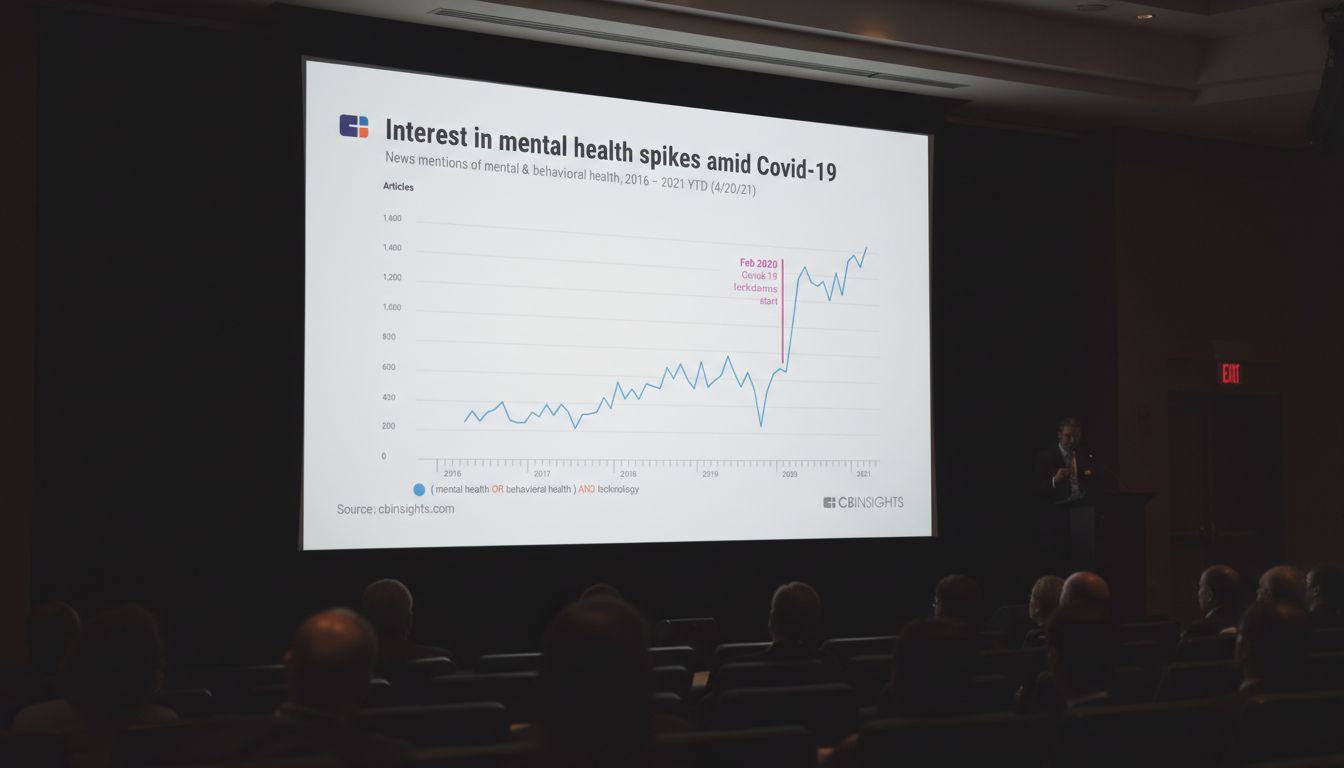
Mental health speakers have become a major feature of corporate wellness programs, university orientation events, and public health campaigns. Effective mental health speakers combine personal story with evidence-based information. The most impactful ones are those who can make audiences feel less alone with their own struggles while providing practical frameworks for seeking help.
The demand for mental health speakers has grown significantly since 2020. Organizations increasingly recognize that mental health is a productivity, retention, and liability issue, not just a personal one. Speakers who can connect individual wellbeing to organizational culture and leadership behavior tend to have the most lasting influence.
Mental health startups have attracted billions in investment since 2018, building apps, platforms, and service networks that expand access beyond traditional clinical settings. Companies like Headspace, Calm, BetterHelp, and Lyra Health have each pioneered different models: meditation apps, therapy marketplaces, and employer-sponsored care management platforms.
Mental health startups face real challenges around clinical quality, data privacy, and sustainability. The sector has seen both significant growth and notable failures. The best mental health startups pair technology with licensed clinicians and build trust through transparency about their methods and limitations.
Adolescent mental health facilities have been under severe capacity strain for years, and the situation worsened after 2020. Inpatient psychiatric beds for adolescents are scarce in most regions. Waiting lists for outpatient therapy stretch months. Adolescent mental health facilities that combine residential treatment, intensive outpatient programs, and school-based services offer the most comprehensive response, but they require significant funding and staffing to operate well.
The adolescent mental health crisis reflects both increased prevalence of anxiety and depression among young people and improved awareness and help-seeking. More teens are recognizing their symptoms and asking for support, which is positive. The problem is that adolescent mental health facilities and outpatient programs can’t absorb the demand. Expanding the pipeline of trained adolescent specialists is a decade-long project with no shortcut.