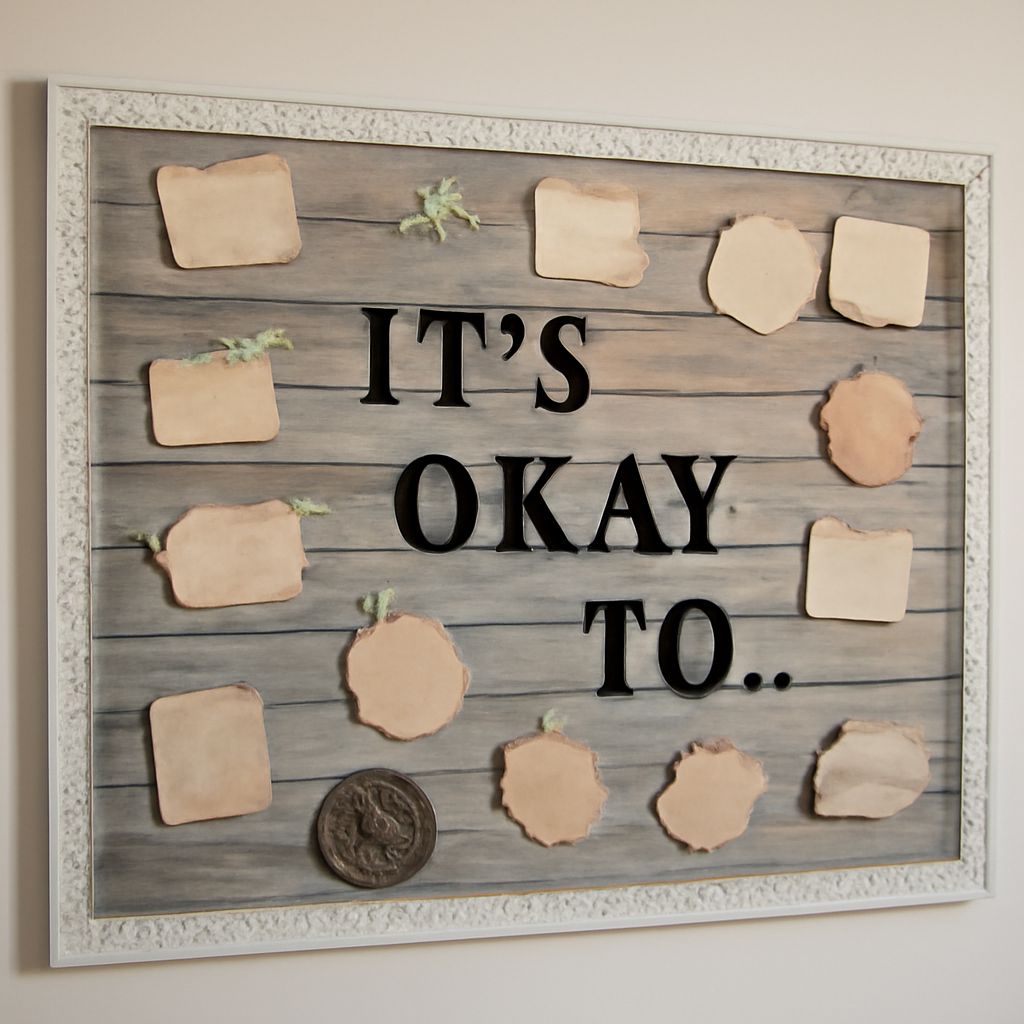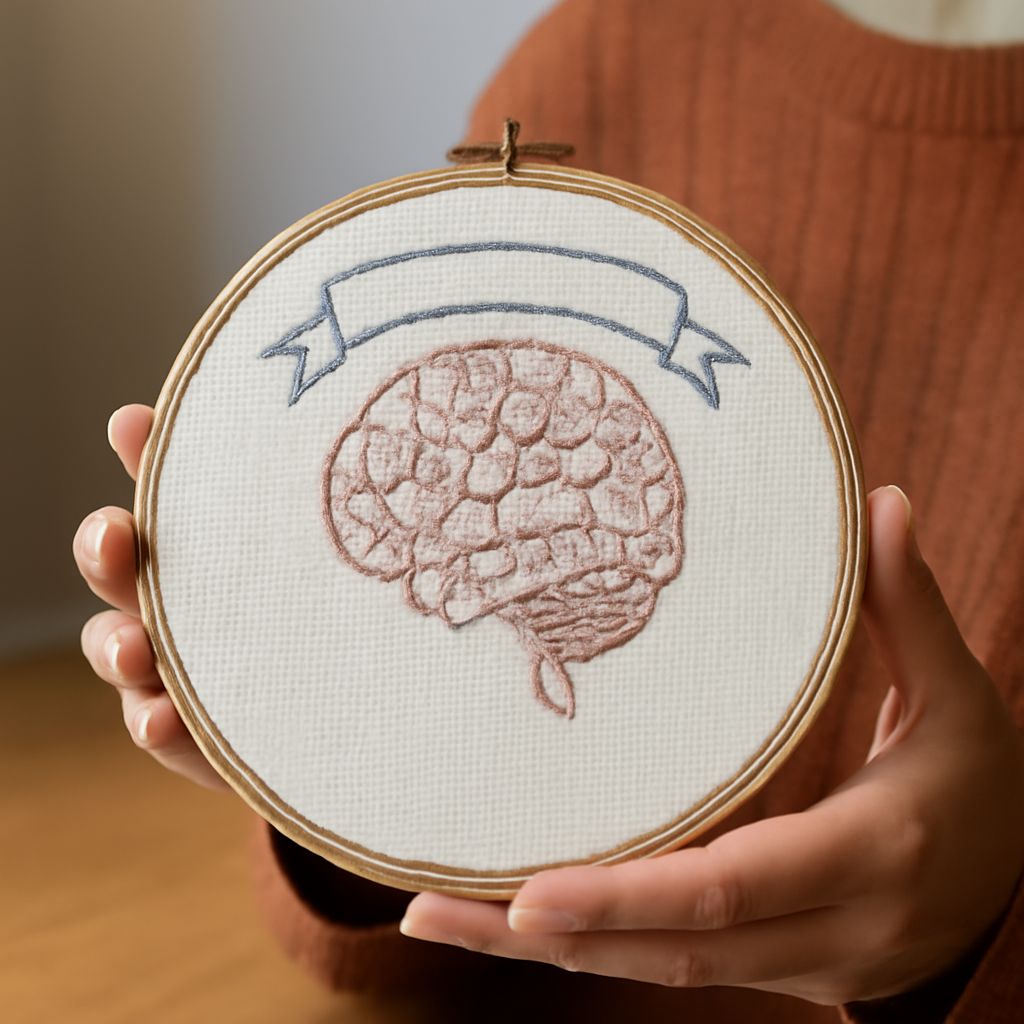
The mental health symbol is more than a visual mark. It carries meaning for millions of people who live with anxiety, depression, or emotional struggle. Understanding what different mental health symbols represent can help you connect with awareness efforts and support systems that matter.
Practices like yoga for mental health pair well with symbolic awareness because they give you a physical outlet for emotional work. The mental health awareness symbol, most commonly the green ribbon, signals solidarity and openness. Each symbol for mental health points toward a shared commitment to healing and destigmatization.
What the Mental Health Symbol Represents
The most recognized mental health symbol in the United States is the green ribbon. Organizations like Mental Health America adopted it to signal support for those managing mental illness. The green color links to growth, renewal, and balance — qualities central to emotional recovery.
Other mental health symbols exist across different communities. The semicolon, used widely in suicide prevention work, represents a pause rather than an end. These symbols serve as shorthand for community and care. When you wear or display one, you tell others that you’re open to honest conversations about psychological well-being.
Origins of Mental Health Symbols in Awareness Campaigns
Awareness ribbons became widely used starting in the 1990s, following the success of the red AIDS ribbon. Mental health advocates adopted the same format to build visibility for conditions that often go unaddressed. The symbolism works because it’s simple, portable, and visible.
The green mental health awareness symbol grew from grassroots campaigns and was later adopted by national organizations. Over time, it became associated not just with illness but with recovery, resilience, and community advocacy. Symbols work when the people behind them take consistent action.
How Yoga for Mental Health Strengthens Your Mind
Research published in peer-reviewed journals consistently shows that yoga for mental health reduces symptoms of anxiety and depression. The practice combines breathwork, movement, and mindfulness in a way that activates the parasympathetic nervous system. That means your body physically calms down, and your mind follows.
You don’t need advanced skill to benefit. Even a 20-minute session of slow yoga — focused on breathing and gentle stretching — can lower cortisol levels. Programs at community centers, veterans’ organizations, and school districts have added yoga as a mental health support tool because it’s low-cost and broadly accessible.
The connection between yoga and mental wellness mirrors what the symbol for mental health represents: that healing is possible, and that regular practice matters more than intensity. You build resilience one session at a time.
Using Symbols Daily to Support Your Mental Well-Being
A mental health symbol becomes most powerful when it prompts action. Wearing the green ribbon means more when you also schedule therapy, reach out to a struggling friend, or build a consistent self-care routine. Symbols lose meaning when they stay decorative.
You can use different symbols for mental health as daily reminders. A small semicolon tattoo, a ribbon pin, or even a phone wallpaper featuring a mental health awareness symbol can anchor your commitment to psychological care. These visual cues redirect your attention when stress spikes.
Pair that intention with a movement practice. When yoga for mental health becomes a weekly habit, you build a body-level foundation for emotional regulation. The symbols remind you of the why. The practice gives you the how. Together, they create a routine with real staying power.