Eastern philosophy covers a vast range of traditions — Confucianism, Taoism, Buddhism, Vedanta — that place community, balance, and inner cultivation at the center of human life. Ubuntu philosophy from sub-Saharan Africa shares this emphasis on collective identity over individual achievement. Together, these traditions offer frameworks that Western culture often lacks.
Philosophy movies have brought some of these ideas to mainstream audiences, translating abstract concepts into compelling stories. The philosophy of psychology draws on many of these traditions when examining consciousness, motivation, and selfhood. And ubuntu African philosophy specifically gives us tools for understanding community responsibility that feel urgently relevant today.
What Eastern Philosophy Teaches About the Self
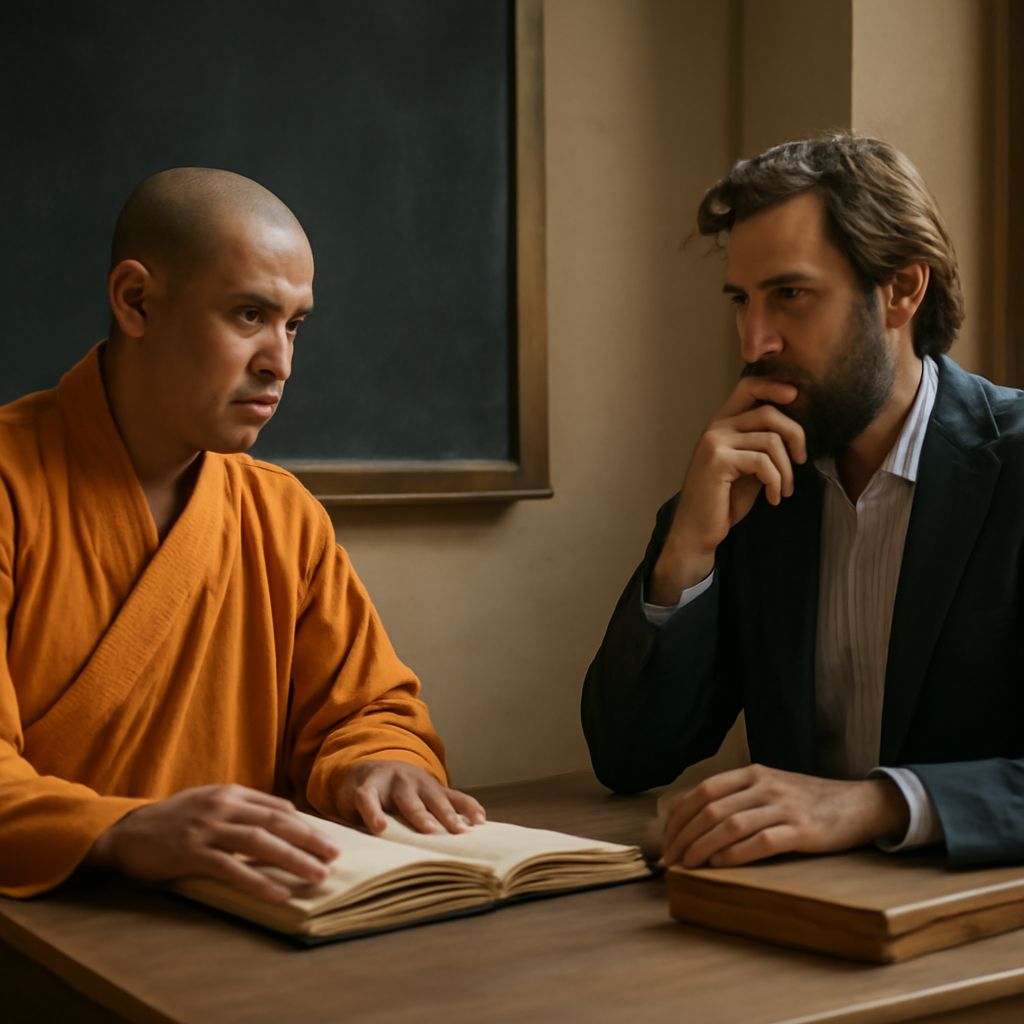
Eastern philosophy approaches the self very differently from Western traditions. Where Western thought often treats the individual as autonomous and self-determining, traditions like Buddhism see the self as interdependent, constructed, and constantly changing. There is no fixed “you” — only patterns of experience arising in relationship to other things.
Taoism adds another angle: rather than asserting your will on the world, you learn to move with its natural currents. Confucianism centers on roles and relationships — you are always someone’s child, student, or neighbor, and those relationships define your responsibilities. These ideas challenge assumptions about personal success and individual ambition that dominate contemporary American culture.
How Eastern Philosophy Connects to Psychology
The philosophy of psychology has absorbed many eastern ideas, especially through mindfulness-based therapies. Mindfulness-Based Cognitive Therapy, Acceptance and Commitment Therapy, and Dialectical Behavior Therapy all draw on Buddhist and Taoist concepts. The idea that thoughts are not facts, that suffering arises from clinging — these are eastern philosophy in clinical form.
Researchers studying well-being consistently find that people who practice acceptance-based coping — a core eastern philosophy principle — report lower anxiety and greater life satisfaction. The philosophy of psychology increasingly acknowledges that Western models of mental health have gaps that eastern traditions help fill.
Ubuntu Philosophy and the African Tradition of Community
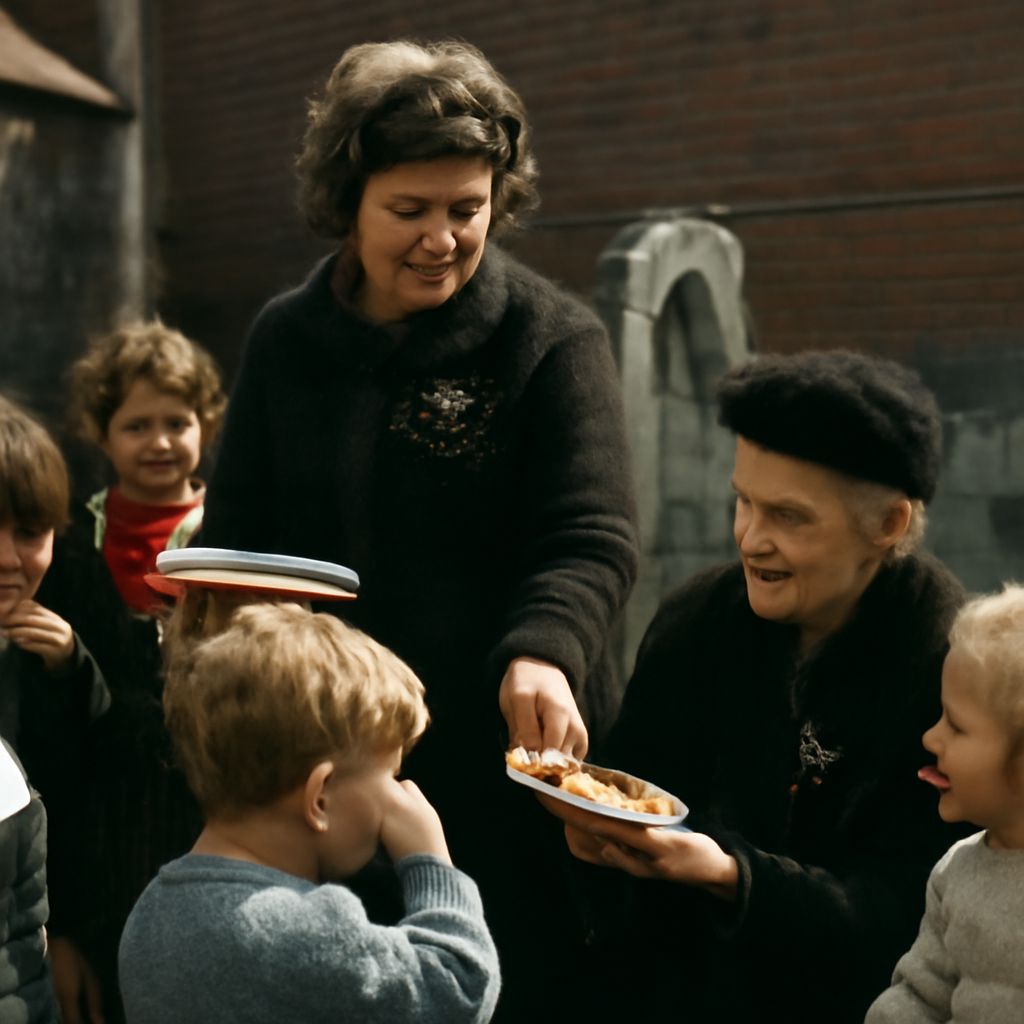
Ubuntu philosophy is grounded in the phrase “Umuntu ngumuntu ngabantu” — a person is a person through other persons. Ubuntu African philosophy teaches that identity and humanity are relational. You become fully human not in isolation but through your engagement with community. This isn’t metaphor. It’s a practical guide for how to treat others and how to build institutions.
In practice, ubuntu philosophy shaped post-apartheid reconciliation efforts in South Africa under Nelson Mandela and Desmond Tutu. The Truth and Reconciliation Commission drew on ubuntu African philosophy to create processes focused on healing and communal repair rather than punishment alone. It worked imperfectly, but it produced outcomes that pure retributive justice could not have achieved.
In workplaces and schools in the United States, ubuntu philosophy has started appearing in DEI frameworks and restorative justice programs. When you ask “how does this harm the community?” instead of “what rule was broken?”, you’re applying an ubuntu lens.
Philosophy Movies That Bring These Ideas to Life
Philosophy movies make abstract ideas visceral. “Groundhog Day” explores Buddhist concepts of cyclical time and the conditions for genuine change. “The Matrix” draws on Plato’s allegory of the cave while weaving in themes from eastern philosophy about illusion and liberation. “Ikiru” by Kurosawa shows a dying bureaucrat discovering meaning through service — a direct expression of both eastern and ubuntu values.
More recent philosophy movies like “Everything Everywhere All at Once” engage with nihilism, existentialism, and the search for meaning across parallel realities. These films don’t lecture — they dramatize philosophical problems in ways that stay with you. They’re worth watching alongside primary texts rather than instead of them.
Whether you come to these ideas through reading, film, or lived experience, eastern philosophy and ubuntu philosophy offer durable frameworks for navigating relationships, purpose, and community. The philosophy of psychology continues drawing from these wells, making them practical rather than merely historical.