The best philosophy books for beginners do not assume you already know the difference between Kant and Hume. They meet you where you are and build from there. Finding the right best philosophy books for beginners matters because starting with the wrong text — something too dense or too specialized — can make you feel like philosophy is not for you. It is. Philosophy for beginners has never been more accessible, with modern writers who translate difficult ideas into clear, direct prose. If you are looking at your first beginner philosophy books, this guide will show you exactly what to pick up first. And if you are wondering where to start with philosophy, the answer depends on what kind of questions pull at you most.
This list is organized by theme so you can choose the entry point that fits your interests.
The Best Starting Points: Classic and Modern Philosophy for Beginners
Books That Earned Their Reputations
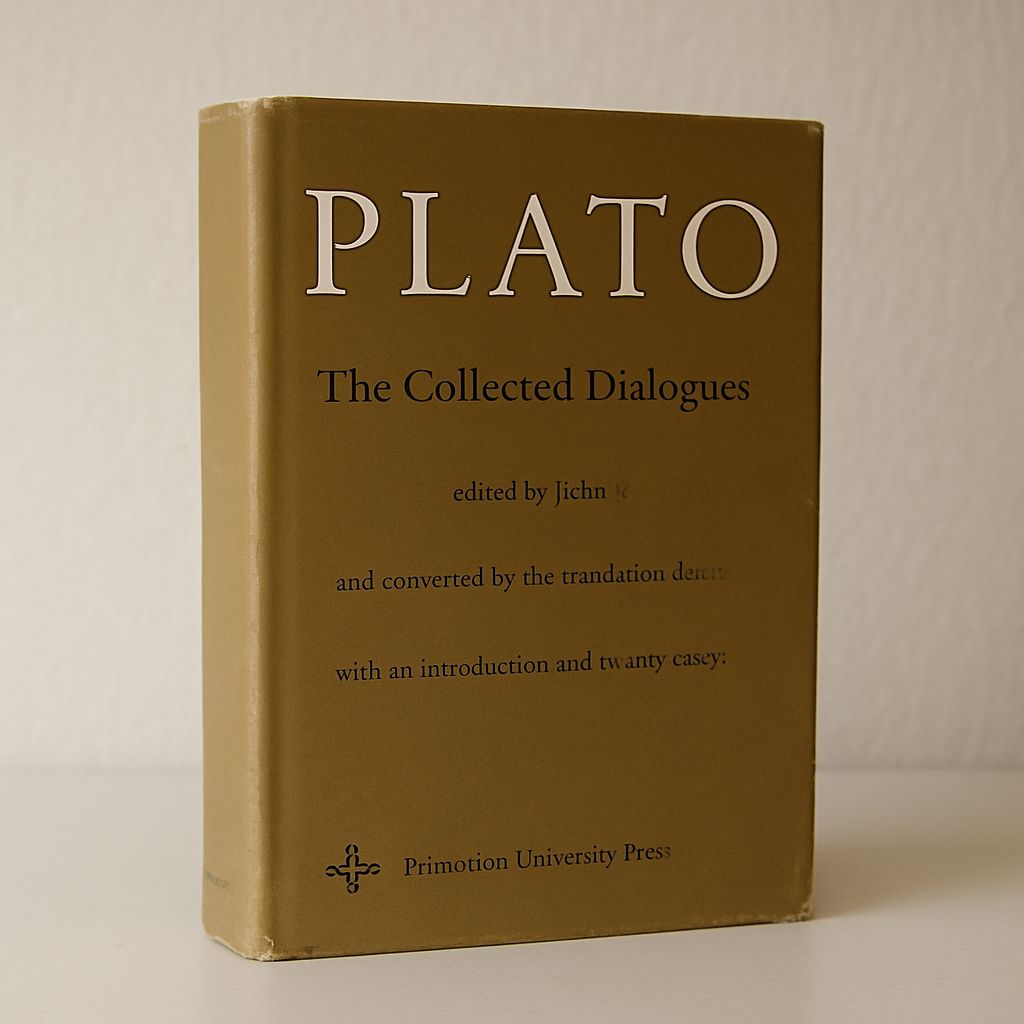
Some philosophy books for beginners have become standards precisely because they work. Plato’s The Republic is long but contains some of the most readable dialogue in all of philosophy — start with just Books 1-4 if the full text feels daunting. Marcus Aurelius’s Meditations is private journal entries, not a treatise — it reads more like a personal development book than an academic text.
For modern introductions, Simon Blackburn’s Think: A Compelling Introduction to Philosophy is one of the most recommended beginner philosophy books available. It covers the core areas — knowledge, mind, free will, ethics, self, God, and politics — in language that does not require a dictionary. Nigel Warburton’s Philosophy: The Basics is another reliable starting point, short enough to finish in a week and broad enough to show you where your real interests might lie.
If you want to start with ethics specifically, Peter Singer’s Practical Ethics applies philosophical reasoning to real-world moral questions. It is clear, provocative, and will make you think carefully about issues you probably already have opinions on.
Where to Start With Philosophy Based on Your Questions
Matching Questions to the Right Texts
Knowing where to start with philosophy becomes easier when you identify the questions that actually interest you. Philosophy covers many domains, and the entry point that works for someone interested in ethics is different from the one that works for someone interested in the nature of reality.
If you want to understand how to think: Start with An Introduction to Philosophical Analysis by John Hospers, or try Irving Copi’s introduction to logic. Learning to identify valid arguments and logical fallacies is useful across all philosophy and in everyday life.
If you care about how to live: Epictetus’s Discourses or a modern Stoicism primer like Ryan Holiday’s The Obstacle Is the Way are accessible entry points. These are among the most readable best philosophy books for beginners who want practical application rather than abstract theory.
If you are drawn to big metaphysical questions: Try Bertrand Russell’s The Problems of Philosophy. It is short, readable, and written by one of the sharpest minds in 20th-century philosophy. Russell has a talent for making uncertainty feel interesting rather than frustrating.
Philosophy for Beginners: What to Expect and How to Read
Philosophy for beginners works best when you read slowly and argue back. Philosophy is not a genre where you should aim to get through pages quickly. Read a paragraph. Stop. Ask yourself what the author is claiming and whether you find it convincing. Underline, annotate, push back in the margins.
Most beginner philosophy books work better read twice. The first read builds familiarity with the vocabulary and the argument’s shape. The second read lets you engage critically rather than just following along. This is not inefficiency — it is how philosophy is supposed to be read.
Also consider starting with secondary sources before primary ones. A good introduction to Descartes or Nietzsche will give you context that makes the primary texts clearer and more interesting. Philosophy departments often use secondary texts precisely for this reason: they reduce the confusion that comes from diving into a text without historical or conceptual context.
Building a Reading Path in Philosophy
The philosophy books for beginners listed here are starting points, not finish lines. Once you have read two or three introductory works, you will have a clearer sense of which areas of philosophy pull at you most — and from there you can build a more focused reading list.
A reasonable three-book starting path: (1) Warburton’s Philosophy: The Basics for an overview, (2) Marcus Aurelius’s Meditations for practical application, and (3) Russell’s The Problems of Philosophy for an introduction to epistemology and metaphysics. That combination covers breadth, application, and depth without overwhelming you.
From there, follow your curiosity. Where to start with philosophy is less important than actually starting. The field rewards persistence and open-mindedness — two things no book can give you, but every good philosophical question will demand.