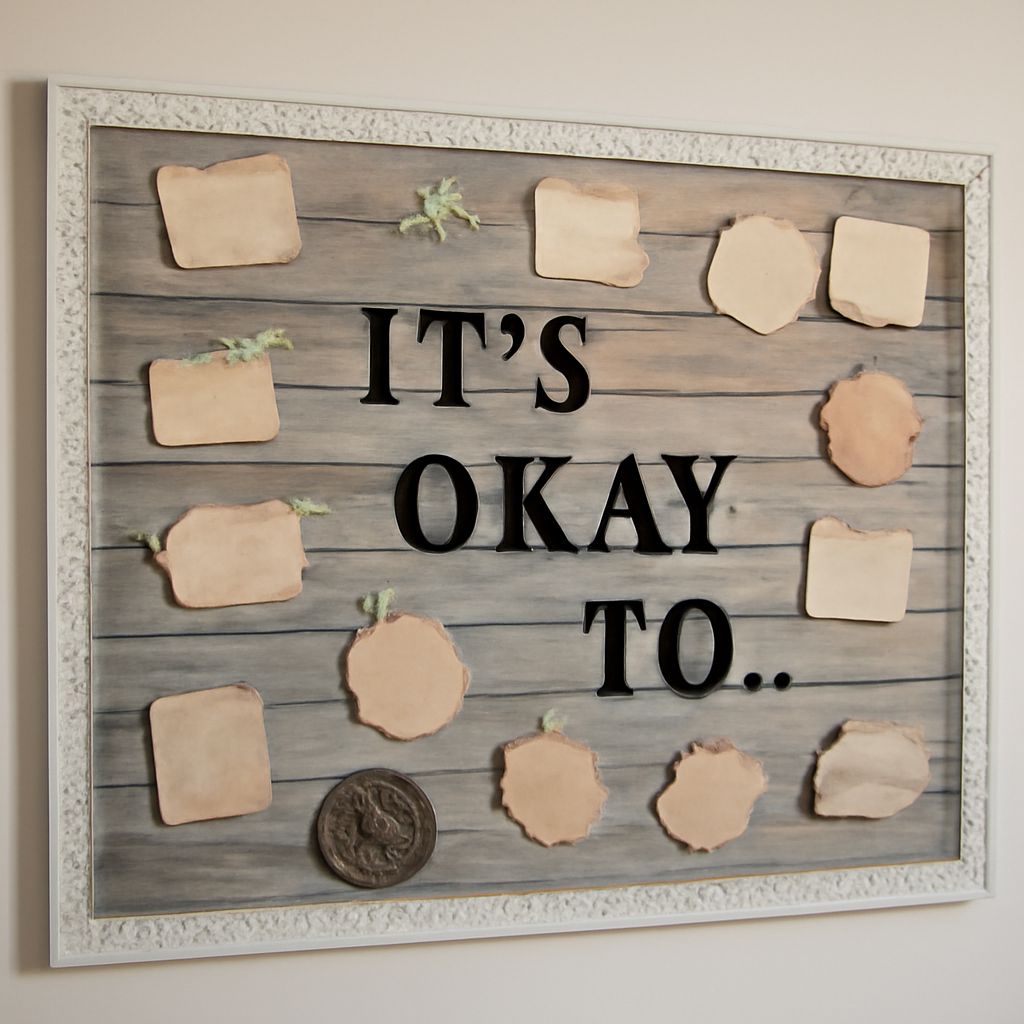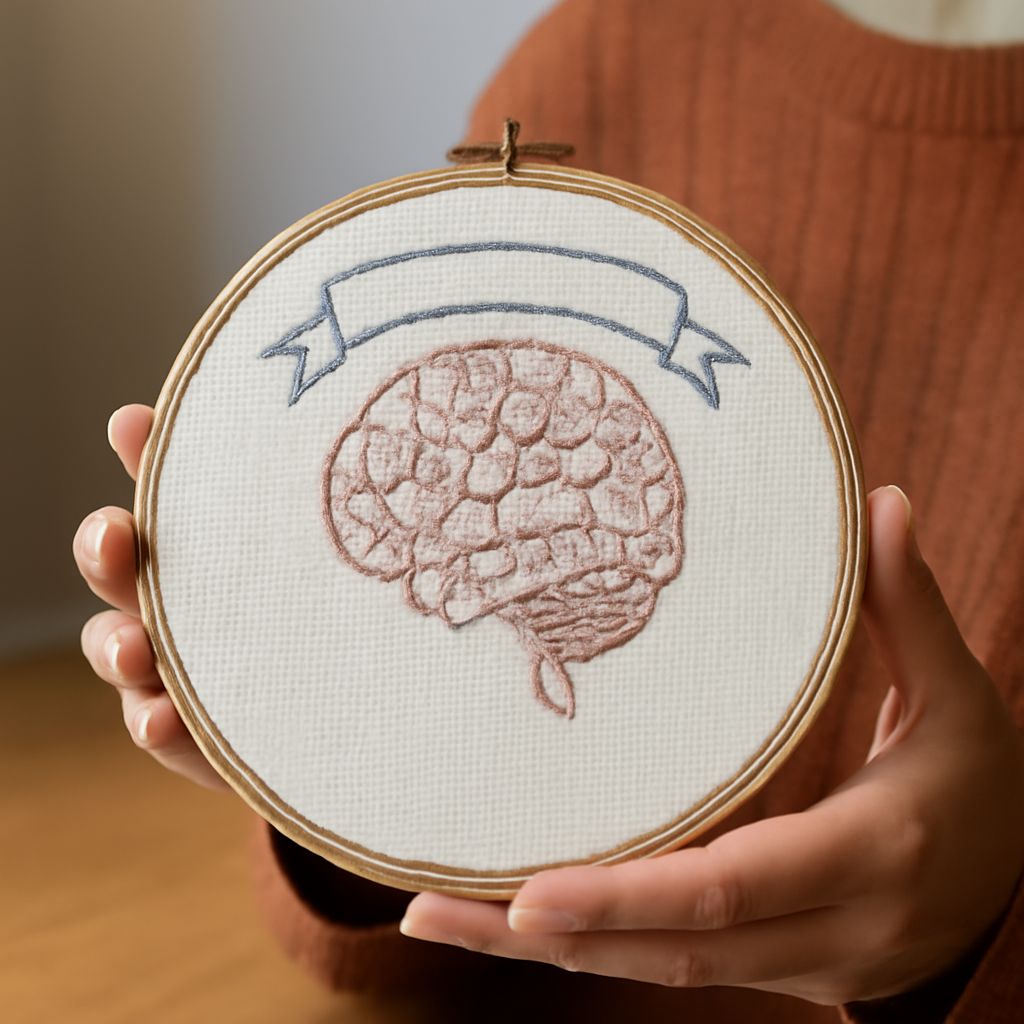
Mental health group topics set the tone for every session. When you pick the right themes, mental health group activities become more engaging and effective. Research shows that structured group work improves outcomes for people dealing with anxiety, depression, and trauma. Whether you are a therapist, counselor, or educator, understanding how to design mental health group therapy activities for adults is a key skill. From creative expression to skill-building games, fun group activities for mental health patients can ease tension and build trust. Even in classroom settings, fun activities for psychology class help students connect theory to real human experience.
This guide walks through proven topics and activity types. It covers how to structure sessions, adapt exercises for different populations, and keep participants engaged throughout the process.
Why Choosing the Right Mental Health Group Topics Matters
The topics you choose shape what happens in the room. Good themes create psychological safety — that sense that it is okay to share honestly. Poor topic choices can trigger participants or cause them to shut down.
How Topics Shape Group Dynamics and Outcomes
Group cohesion builds faster when topics feel relevant. Members who see themselves in the discussion stay engaged longer. Topics like stress management, healthy boundaries, and emotion regulation are consistently well-received across adult populations.
When facilitators use mental health group topics drawn from evidence-based frameworks like CBT or DBT, outcomes improve. Participants learn skills they can use outside the group setting. That transfer of learning is the real measure of success.
Matching topics to the group’s readiness level also matters. Early-stage groups benefit from lighter, psychoeducational themes. More established groups can tackle deeper subjects like grief, trauma, or identity.
Top Mental Health Group Activities for Adults
Adults in group therapy respond best when activities feel purposeful and respectful of their time. Passive listening rarely works well. Instead, facilitators should mix discussion, reflection, and hands-on practice.
Structured vs. Unstructured Mental Health Group Therapy Activities for Adults
Structured mental health group activities follow a set format. Think journaling prompts, role-play exercises, or mindfulness practices with guided instructions. These work especially well for new groups or those covering sensitive material.
Unstructured activities give participants more freedom. Open discussion circles, collaborative art projects, or peer-support conversations fall into this category. They build trust and help members find their own voice.
The best sessions blend both. Start with a structured warm-up, transition into open discussion, and close with a grounding exercise. This rhythm helps groups feel both safe and dynamic.
Popular mental health group therapy activities for adults include values clarification exercises, gratitude circles, and strengths-based check-ins. These encourage positive self-reflection without minimizing real struggles.
Fun Group Activities for Mental Health Patients
Fun has a serious role in healing. Laughter and play reduce cortisol levels, build social bonds, and make difficult conversations feel more approachable. Therapists who incorporate enjoyment into sessions often see higher attendance and greater openness.
Creative and Expressive Fun Activities for Psychology Class Settings
Fun group activities for mental health patients do not have to be childish. Adults enjoy trivia games focused on emotional intelligence, collaborative storytelling, and improv-style exercises that build spontaneity and trust.
Art-based activities like collage-making or group murals allow people to express emotions they may not have words for yet. Music playlists that reflect different moods spark conversation and normalize emotional diversity.
In academic settings, fun activities for psychology class can include debate exercises on ethical dilemmas, case study role-plays, or mock therapy sessions. These build empathy and sharpen analytical thinking simultaneously.
The key is framing. When facilitators present lighthearted fun group activities for mental health patients with clear therapeutic intent, participants understand the purpose and engage more deeply.
Building a Session Plan Around Group Topics
A well-designed session plan gives every participant a clear arc: arrival, engagement, learning, and closure. Without structure, even the best topics fall flat.
Adapting Activities for Different Group Sizes and Needs
Small groups of four to six allow for deep sharing. Larger groups need more breakout work to avoid dominant voices. Facilitators should always plan for both the content and the relational dynamics of their specific group.
When selecting mental health group topics for a specific population — veterans, teens, seniors, or people in recovery — tailor the language and examples. Generic activities feel impersonal. Specific, culturally relevant themes feel like the group was designed just for them.
Digital tools now allow therapists to run effective mental health group activities in virtual settings too. Online whiteboards, polls, and breakout rooms bring the same energy to telehealth sessions.
Key takeaways: The best mental health group therapy activities for adults combine structure, relevance, and a touch of fun. Matching topics to the group’s stage and needs leads to deeper engagement and lasting change. Whether you are planning clinical sessions or fun activities for psychology class, intentional design always makes the difference.