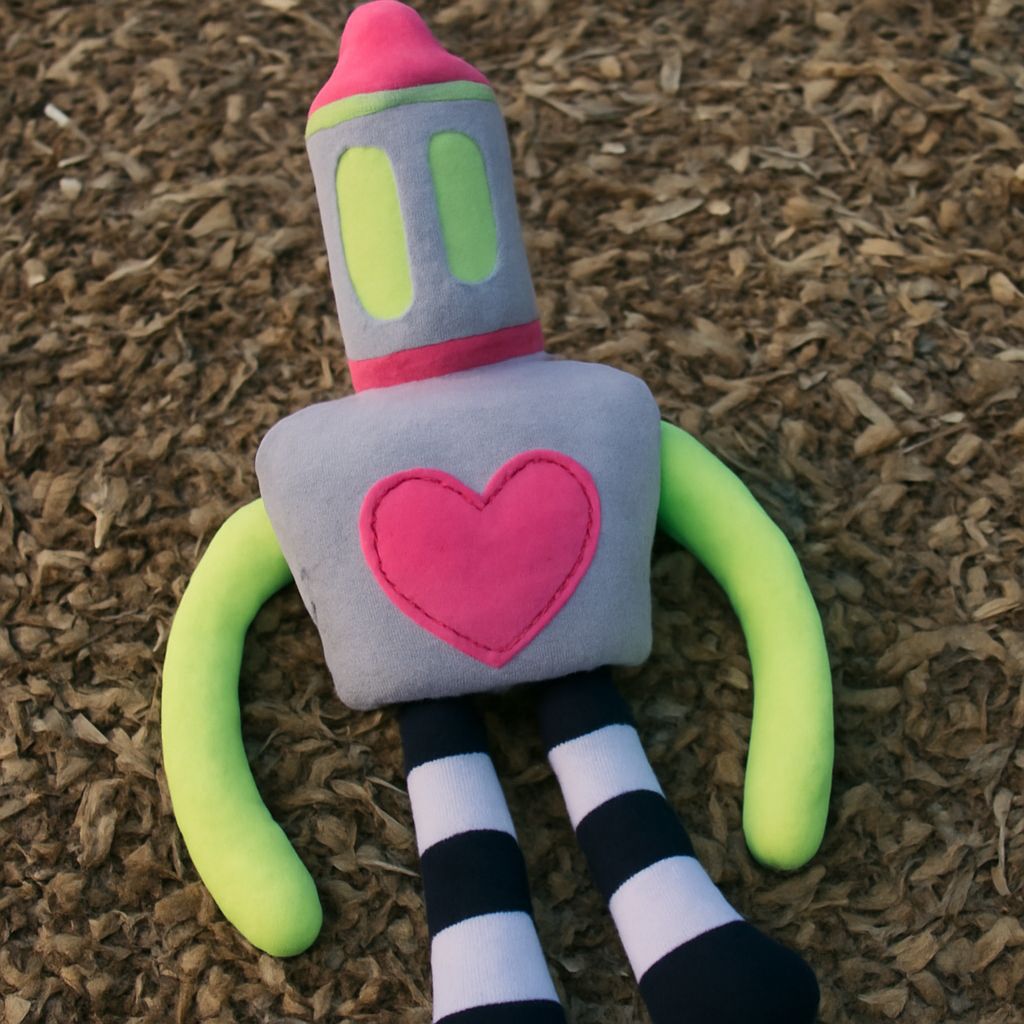
Few creatures in nature have captured the imagination of roboticists quite like the octopus. A robot octopus — a soft robotic platform inspired by cephalopod locomotion — represents one of the most sophisticated challenges in the field: creating a machine that moves, grasps, and navigates using compliant, flexible structures rather than rigid joints and links. The concept of a friendly robot — a machine designed to be approachable, emotionally engaging, and safe in close proximity to humans — is driving a major strand of social robotics research and consumer product development. A robot plush bridges the gap between soft toy and functional robot, combining comforting tactile qualities with interactive electronics that respond to touch, sound, or programmed behaviors. Robot blueprints — the technical documentation that specifies a robot’s mechanical structure, electronic systems, and software architecture — are essential tools for both professional engineers and the growing community of hobbyist builders. And a well-designed robot blueprint is not just a reference document — it is a design thinking artifact that captures the decisions, trade-offs, and innovations that went into creating the system.
This article explores bio-inspired robot design, social robot aesthetics, and the documentation practices that turn robot concepts into functional machines.
From Robot Octopus to Robot Blueprint: Design, Emotion, and Documentation
A robot octopus must replicate some of nature’s most impressive engineering: eight independently controlled, fully compliant arms that can change shape, apply variable grip force, and navigate three-dimensional spaces without any rigid structure. The octopus achieves this through a distributed nervous system — two-thirds of its neurons are in its arms, not its central brain — enabling semi-autonomous arm behavior that the central nervous system coordinates rather than directly controls.
Engineering a robot octopus requires soft actuators — typically pneumatically or hydraulically driven silicone chambers that expand or contract to produce motion. The lack of rigid structure means that traditional robot kinematics (which assumes rigid links and revolute joints) does not apply. Continuum mechanics and finite element modeling are used instead to predict and control deformation-based motion.
The applications of robot octopus technology extend beyond research novelty. Soft robotic grippers inspired by octopus tentacles are being developed for handling delicate objects in food processing, medical procedures, and archaeological excavation — applications where rigid manipulators would cause damage. The gentle, conformal grip of octopus-inspired designs is achievable with current materials and actuator technology.
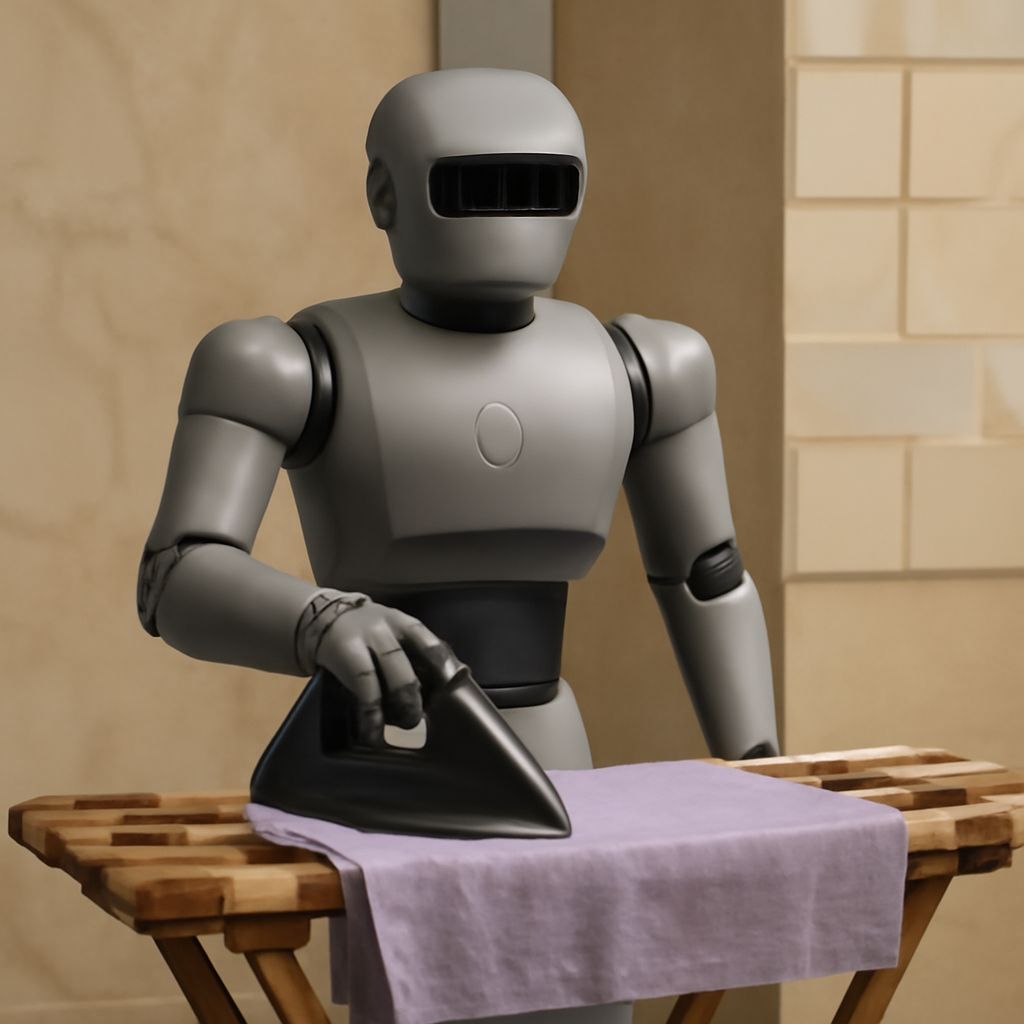
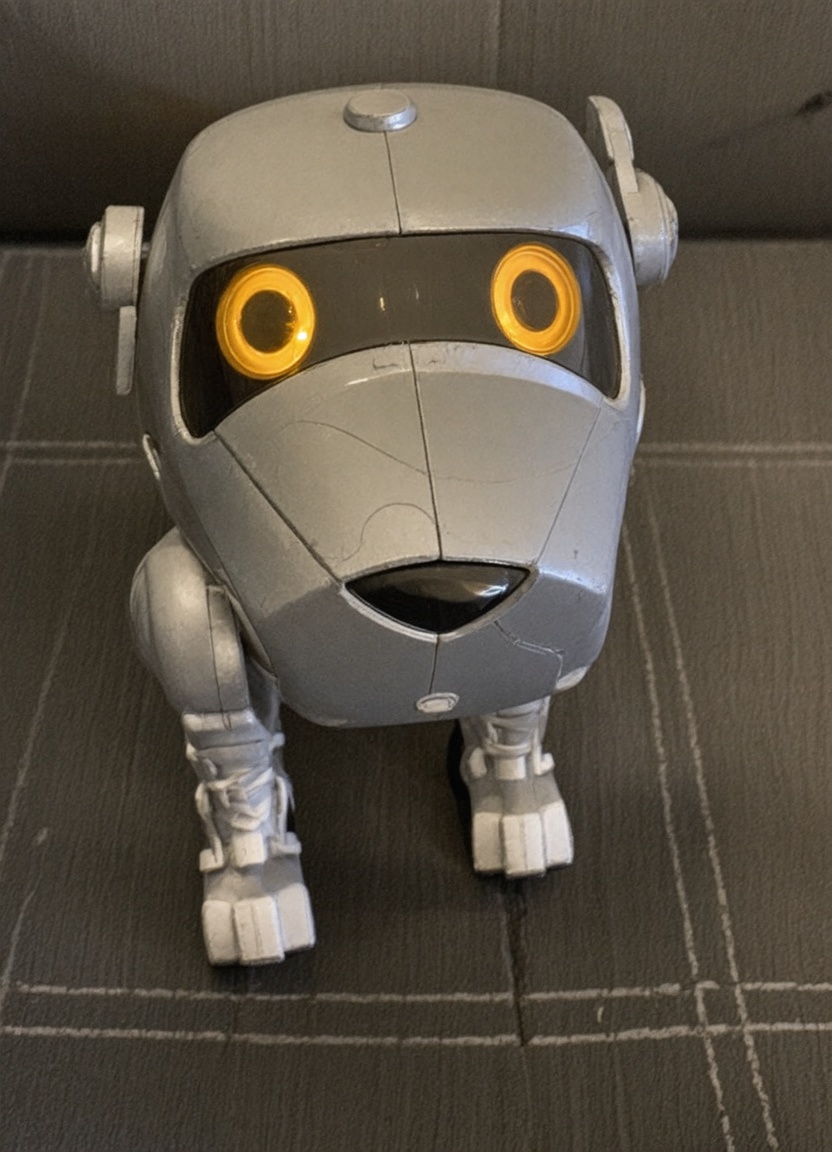
The friendly robot design paradigm recognizes that human acceptance of robots depends as much on aesthetics and behavior as on capability. A robot that is technically impressive but visually threatening or behaviorally unpredictable will be rejected by the humans it is designed to serve. Research in human-robot interaction identifies the key features of friendly robot designs: rounded forms (perceived as safer than angular ones), soft materials and surfaces where possible, smooth and predictable movement, appropriate eye contact through camera or eye-like sensor placement, and voice characteristics calibrated for approachability.
The uncanny valley remains a real consideration in friendly robot design. Robots that closely but imperfectly resemble humans trigger discomfort in many observers — the near-but-not-quite human appearance activates threat-detection systems in a way that obviously robotic designs do not. Most successful commercial friendly robots deliberately avoid hyperrealistic human features, instead using stylized, cartoonish aesthetics that are clearly robotic while still being warm and engaging.
A robot plush occupies an interesting design space: it must provide the tactile comfort of a traditional stuffed animal while incorporating functional electronics. The challenge is integrating sensors, actuators, speakers, microphones, and batteries into a form factor that remains soft, washable, and safe for children. Current robot plush products range from simple responsive toys that react to voice with pre-recorded sounds to sophisticated companions that use natural language processing to hold simple conversations.
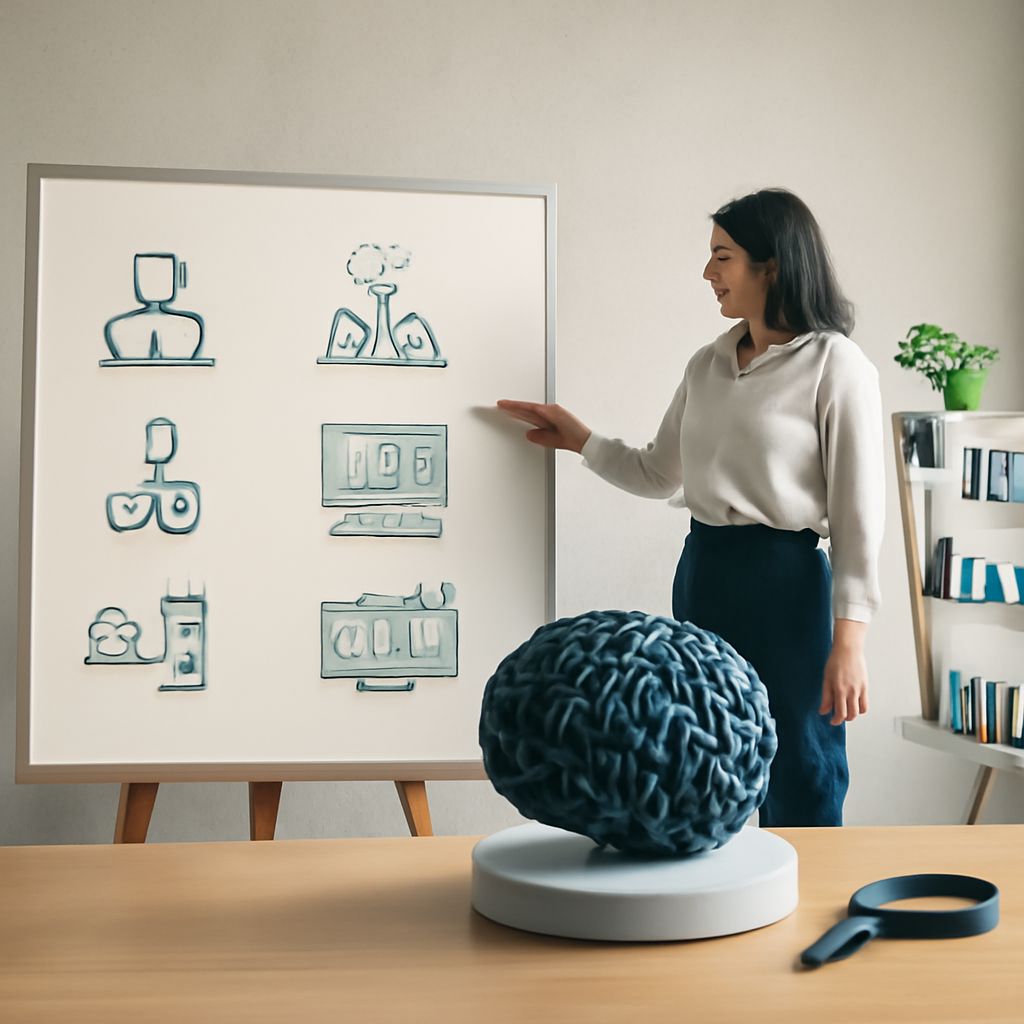
Well-designed robot blueprints document the complete technical specification of a robotic system across multiple domains: mechanical drawings with tolerances and material specifications, electronic schematics showing component connections, wiring diagrams, firmware architecture, control system diagrams, and testing protocols. This documentation serves multiple purposes: it enables manufacturing, facilitates debugging, supports maintenance, and allows modifications without rediscovering design decisions that were made and documented for good reasons.
A good robot blueprint also captures design intent — not just what was built but why. Alternative designs that were considered and rejected, known limitations and their causes, performance envelopes and their boundaries — this contextual information transforms a technical document into a genuine knowledge artifact. Without it, the next engineer who works on the system must rediscover lessons that were already learned at significant cost.
The diversity of robotic design — from the fluid, biological inspiration of a robot octopus to the emotional design of a friendly robot to the careful documentation of robot blueprints — reflects the breadth of engineering, biology, psychology, and communication that modern robotics draws on. The best robot designers are not just engineers; they are also biologists, psychologists, and technical writers.