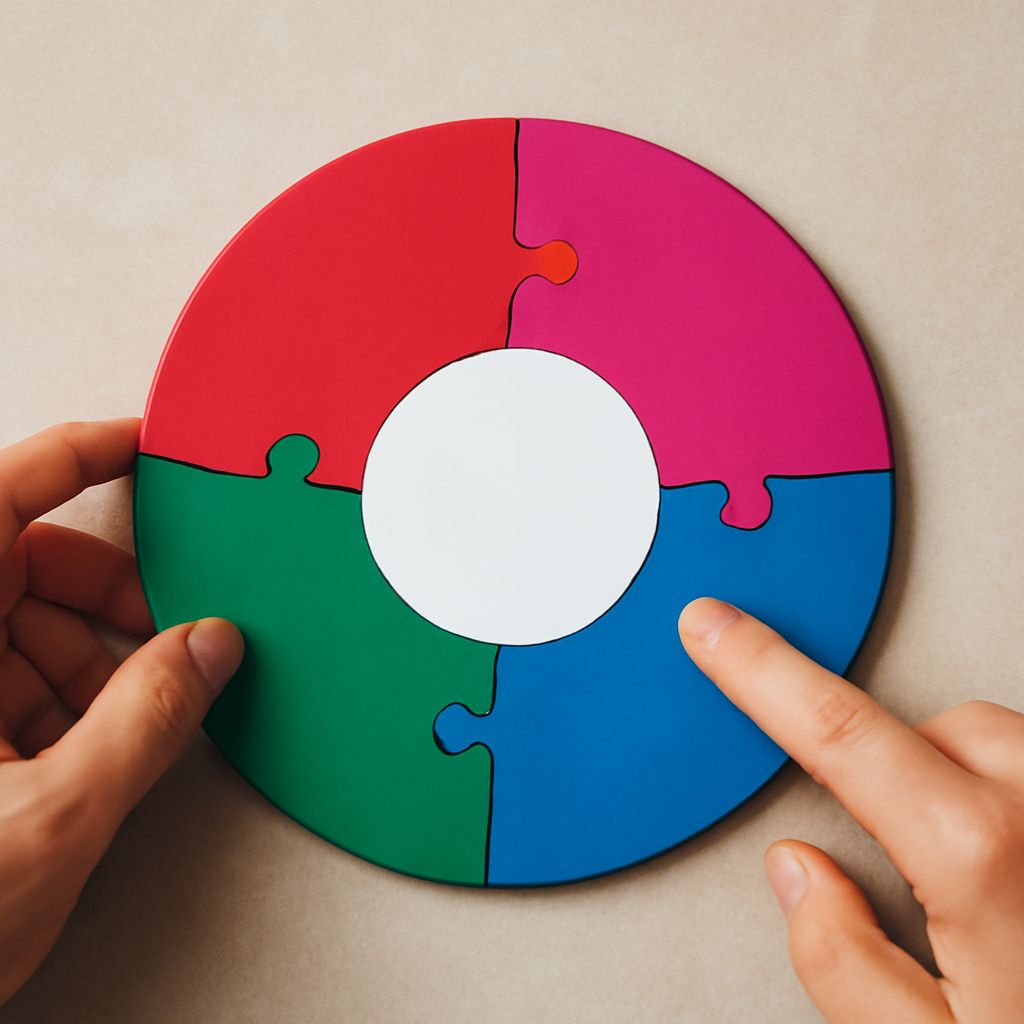
Contrarianism is a fascinating psychological phenomenon that often impacts social bonds in significant ways. Understanding how contrarian personalities interact with societal norms can offer valuable insights into social bonding theory and social bonds theory. These theories help us explore the dynamics of human relationships, particularly when traditional patterns are challenged by unconventional thinking.
Understanding Contrarianism
Defining Contrarianism
Contrarianism refers to the tendency to oppose or reject popular beliefs or established norms. A contrarian often challenges the status quo, seeking alternative perspectives. This behavior is not merely for argument’s sake; rather, it stems from a deep-rooted need to explore different viewpoints. By questioning prevailing ideas, contrarians contribute to a more diverse and dynamic dialogue.
Characteristics of a Contrarian Personality
A contrarian personality is often marked by independent thinking and a preference for innovation. These individuals are not easily swayed by popular opinion, choosing instead to follow their own judgment. This trait can lead to insightful discoveries, but it may also cause friction in social interactions. Contrarians are frequently seen as rebels or provocateurs, although their intentions are typically rooted in a desire for truth and progress.
Social Bond Theory Explained
Key Elements of Social Bond Theory
Social bond theory focuses on the connections that hold society together, emphasizing the role of relationships in maintaining social order. The theory posits that strong social bonds reduce the likelihood of deviant behavior by fostering a sense of belonging and responsibility. Key components include attachment, commitment, involvement, and belief, each playing a crucial role in shaping individual behavior within the community.
Applications in Modern Psychology
In modern psychology, social bonding theory is applied to understand a range of phenomena, from criminal behavior to community cohesion. Therapists and counselors use the principles to help individuals strengthen their social bonds and improve mental health outcomes. By enhancing these connections, people often experience increased stability and support, which are essential for personal and communal well-being.
Contrarianism and Social Bonds
The Intersection of K1 and K4
Contrarianism can significantly affect social bonds theory, as traditional dynamics are challenged by contrarian behavior. While contrarians may disrupt conventional patterns, they also have the potential to enrich social interactions by introducing new ideas and fostering critical thinking. The interplay between contrarianism and social bonding theory reveals how diverse perspectives can enhance community resilience and adaptability.
Challenges in Social Interactions
Despite the potential benefits, contrarian personalities often face challenges in social interactions. Their tendency to question norms can lead to misinterpretation and conflict, impacting the strength of social bonds. Individuals may struggle to connect with contrarians, feeling undermined or threatened by their unconventional views. Navigating these challenges requires empathy, understanding, and open communication.
Enhancing Social Bonds
Strategies for Contrarians
Contrarians can enhance their social bonds by practicing active listening and fostering empathy. By showing respect for differing opinions and engaging in collaborative dialogue, they can bridge gaps and create more meaningful connections. Techniques such as mindfulness and reflective conversation can help contrarians maintain healthy relationships, despite their propensity for challenging the norm.
Building Stronger Connections
Building stronger connections involves recognizing the value of diverse perspectives and using them to enrich social bonds theory. Encouraging inclusive discussions and embracing the complexity of human interactions can lead to more robust relationships. Strengthening social bonds requires patience, tolerance, and an appreciation for the unique contributions each person brings to the community.