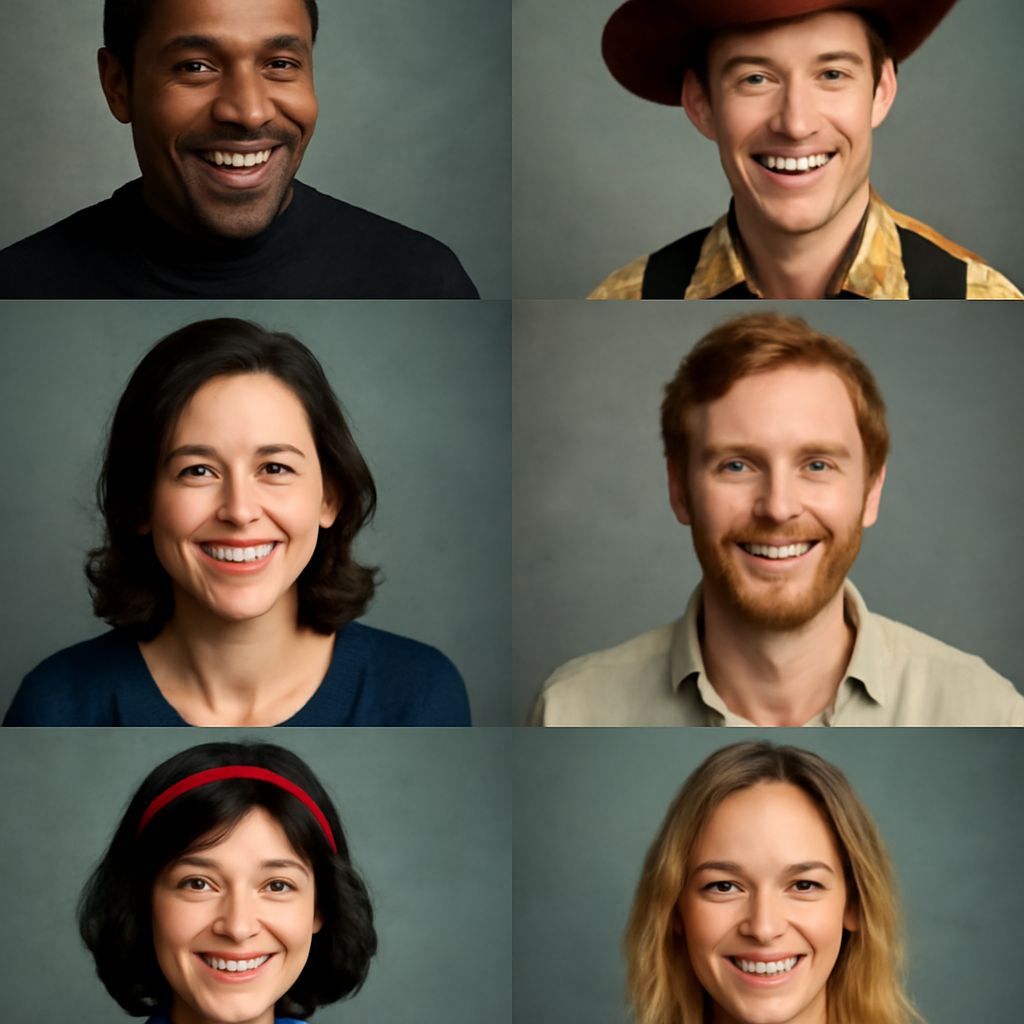
Smiles are more than just facial expressions; they are a window into our emotions and social interactions. Different types of smiles can convey a multitude of meanings, from genuine happiness to polite acknowledgment. Famous INFJs are often recognized for their unique smiles, which leave a lasting impression. Understanding these kinds of smiles offers valuable insights into psychological dynamics and human connection.
Understanding Different Types of Smiles
The Science Behind a Genuine Smile
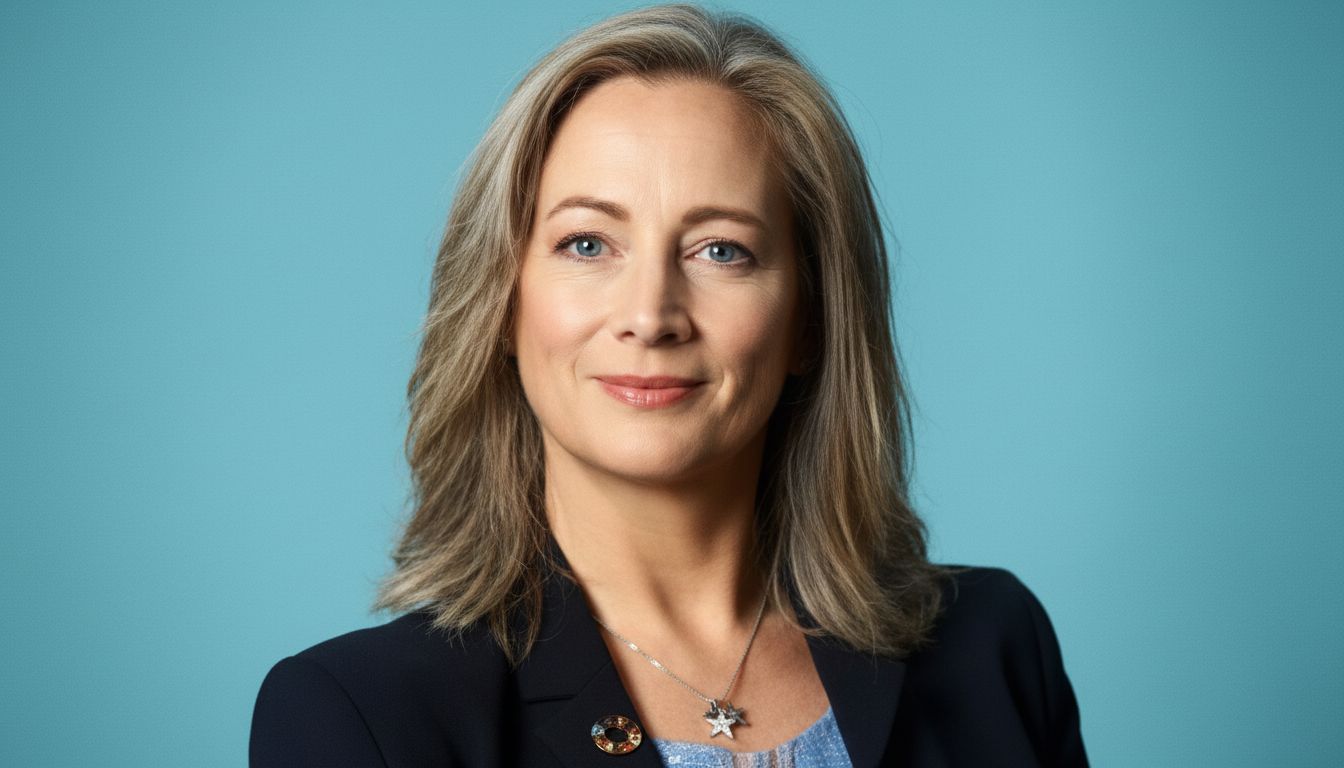
A genuine smile, often referred to as the Duchenne smile, involves the activation of muscles around the mouth and eyes. This type of smile is associated with authentic feelings of joy and happiness. When we experience positive emotions, our brain releases neurotransmitters like dopamine, which trigger these muscle movements, resulting in an involuntary, genuine smile.
Interestingly, research suggests that even forcing a smile can lead to mood improvement. This phenomenon, known as the facial feedback hypothesis, illustrates how interconnected our facial expressions and emotions are. Different smiles can, therefore, influence how we feel internally, reinforcing the power of positivity.
How Different Smiles Affect Our Mood
While genuine smiles have a direct impact on our mood, other types of smiles can influence us differently. For instance, a polite or social smile might not trigger the same emotional response as a genuine smile, yet it still plays a critical role in social interactions. This kind of smile can help ease tension and facilitate smoother communication.
Furthermore, the mimicry of smiles in social settings, even when they are not genuine, can lead to improved moods. When we see someone smile, our brain often mirrors that expression, enhancing our own mood and creating a ripple effect of positivity.
Analyzing Famous INFJs and Their Unique Smiles
Notable INFJs and Their Signature Smiles
Famous INFJs, known for their deep empathy and insightful perspectives, often have smiles that reflect their complex personalities. These individuals, from various fields like arts, literature, and leadership, use their smiles to connect with others on a profound level.
INFJs such as Carl Jung, a prominent psychologist, and Eleanor Roosevelt, a notable political figure, are remembered not only for their contributions but also for their warm and inviting smiles. Their smiles often carry a sense of understanding and sincerity, making them stand out in any crowd.
What Makes Famous INFJs’ Smiles Stand Out?
The smiles of famous INFJs are distinctive due to their underlying authenticity. These individuals often use genuine smiles as a tool to communicate their empathy and connect with others emotionally. The sincerity in their smiles comes from a place of deep understanding and compassion.
Moreover, the charisma of INFJs is often amplified by their unique smiles. Their ability to make others feel seen and heard through a simple smile highlights the psychological impact that this kind of nonverbal communication can have.
Different Smiles and Their Psychological Effects
The Power of a Simple Smile
A simple smile can be a powerful tool in daily interactions. It has the ability to change the mood of a room and create an atmosphere of warmth and friendliness. This kind of smile can break down barriers and foster a sense of community and belonging among individuals.
Psychologically, smiles are associated with trust and cooperation. A smile can communicate openness and approachability, encouraging others to engage in positive social behaviors. This subtle yet powerful effect underscores the importance of smiles in our everyday lives.
Impact of Smiles on Social Interactions
Smiles play a crucial role in social interactions by acting as nonverbal cues that guide our responses. They can influence how we perceive others and how others perceive us. Genuine smiles, in particular, are often interpreted as signals of trustworthiness and friendliness.
Moreover, smiles can bridge gaps in communication, especially in multicultural settings where language might be a barrier. The universal nature of a smile means it can convey positive intentions and emotions across diverse groups, promoting understanding and collaboration.
Kinds of Smiles: From Subtle to Genuine
Identifying Various Kinds of Smiles
There are numerous kinds of smiles, each serving a different purpose and conveying different messages. Beyond the genuine and polite smiles, there are also subtle smiles used to express kindness, and more subdued smiles that indicate contemplation or skepticism.
Recognizing the nuances in these facial expressions can enhance our emotional intelligence, allowing us to respond more appropriately in social situations. By understanding the intention behind a smile, we can better navigate complex interpersonal dynamics.
When and Why We Use Different Smiles
The use of different smiles is often context-dependent. We might use a genuine smile when greeting a friend or a subtle smile when acknowledging a stranger. The choice of smile can be influenced by cultural norms, personal experiences, and the specific relationship between individuals.
Interestingly, the act of smiling itself can reinforce the emotion it expresses. For example, smiling during a challenging situation might help foster resilience and optimism. By consciously choosing to smile, we can influence our emotional states and those of others, illustrating the profound psychological impact of this simple gesture.