A child mental health specialist works at the intersection of developmental psychology, family systems, and clinical intervention. The idea of a future child appears in both policy discussions and in developmental research as a framing for understanding what conditions children growing up today will face. Mental health technology is reshaping how specialists assess, monitor, and treat young clients. An infant mental health specialist focuses specifically on children under age three, a period of intense developmental importance that remains underserved in many healthcare systems. And youngest child psychology explores the specific patterns, both strengths and challenges, associated with birth order position in families.
This article examines each of these areas and their practical connections for parents, educators, and healthcare providers working with children.
What Child Mental Health Specialists Do and How Technology Is Changing Their Work
A child mental health specialist typically holds graduate-level training in psychology, social work, counseling, or psychiatry with specialized coursework in child and adolescent development. They conduct assessments, provide therapy, consult with schools and families, and may prescribe medication if they hold appropriate medical credentials. The work spans a wide range of conditions including anxiety, ADHD, depression, trauma responses, autism spectrum concerns, and behavioral challenges.
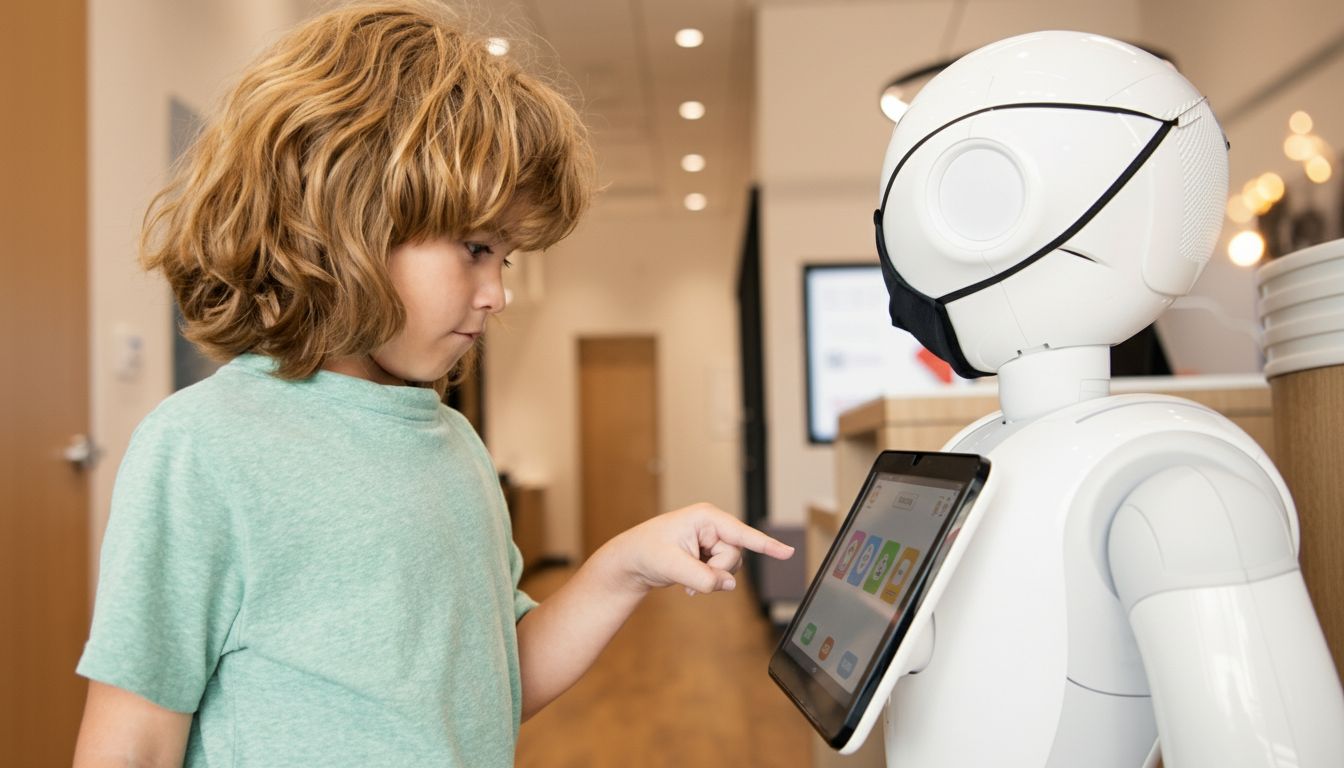
The rise of mental health technology is changing the field in several documented ways. Teletherapy platforms have expanded geographic reach, allowing a child mental health specialist in a metropolitan area to serve families in rural regions who previously had no access to specialized care. Assessment tools that once required in-person administration are increasingly available in validated digital formats. And mobile apps designed for emotional regulation, mindfulness, and mood tracking are now sometimes recommended as adjuncts to traditional therapy.
The evidence base for many of these mental health technology tools is still developing. Established treatments like cognitive behavioral therapy and parent-child interaction therapy have strong research support in face-to-face formats. The digital adaptations of these approaches are showing promising results in early studies, but long-term outcomes data is still being collected. Practitioners are appropriately cautious about replacing established methods with newer technology until the evidence base is more mature.
The future child concept is relevant to this discussion in a policy and planning sense. Children growing up today will face climate change impacts, AI-transformed labor markets, and social media environments that no previous generation navigated from early childhood. A child mental health specialist working with today’s children is already treating the effects of these pressures, including climate anxiety in school-age children, social comparison distress linked to social media use, and uncertainty about future economic stability.
Planning for the future child means building mental health systems now that can handle scale and diversity of need. Current specialist shortages are severe in most countries. In the United States, roughly half of children who need mental health services do not receive them, primarily due to provider shortages and access barriers. Technology can help address the access problem but does not solve the workforce pipeline problem.
The infant mental health specialist role sits at one of the most critical intervention points in human development. The first three years of life are a period of extraordinary brain development. Secure attachment formed during this window has documented effects on cognitive, emotional, and social outcomes across the lifespan. An infant mental health specialist works not just with the infant but with caregiving systems, supporting parents and early childhood educators in providing the responsive, consistent care that promotes healthy development.
Infant mental health specialist training typically includes the DC:0-5 diagnostic classification system, a framework specifically designed for children under six that recognizes the relational context of early mental health. This distinguishes infant mental health specialist work from general child clinical work, where diagnostic frameworks designed for older children may be poorly adapted to early childhood presentations.
Youngest child psychology addresses a genuine and sometimes underappreciated area of family dynamics research. Birth order research has had a contested history in psychology, with early claims about personality determinism giving way to more nuanced findings. What does appear consistently in the research is that youngest children experience a different social environment within the family: they have older siblings as models, they often receive less strict parenting as parents become more experienced, and they may have more space to develop social and creative skills.
Youngest child psychology does not determine outcomes. It describes tendencies that emerge from the relational context of being the last-born in a sibling group. These tendencies can be protective or challenging depending on the specific family dynamics involved. A child mental health specialist working with families is often attentive to birth order as one of several contextual factors, not as a deterministic variable but as useful background for understanding relationship patterns within the family system.
Pro tips recap: When seeking a child mental health specialist, ask specifically about their age range and specialty focus, since infant mental health specialist training is distinct from work with school-age or adolescent clients. Evaluate mental health technology tools recommended by practitioners for evidence of efficacy rather than adopting them on enthusiasm alone. And approach youngest child psychology findings as context rather than prediction when thinking about individual children.