Conflict resolution is a crucial skill that helps maintain harmony in personal and professional relationships. Understanding why people are mean can significantly aid in resolving conflicts by shedding light on the underlying factors and characteristics that drive such behavior. By examining these elements, individuals can develop more effective strategies for managing disputes and fostering healthier interactions. This article will delve into the nuances of conflict resolution and explore the reasons behind meanness to provide valuable insights for personal growth.
Understanding Conflict Resolution
Key Factors in Conflict Resolution
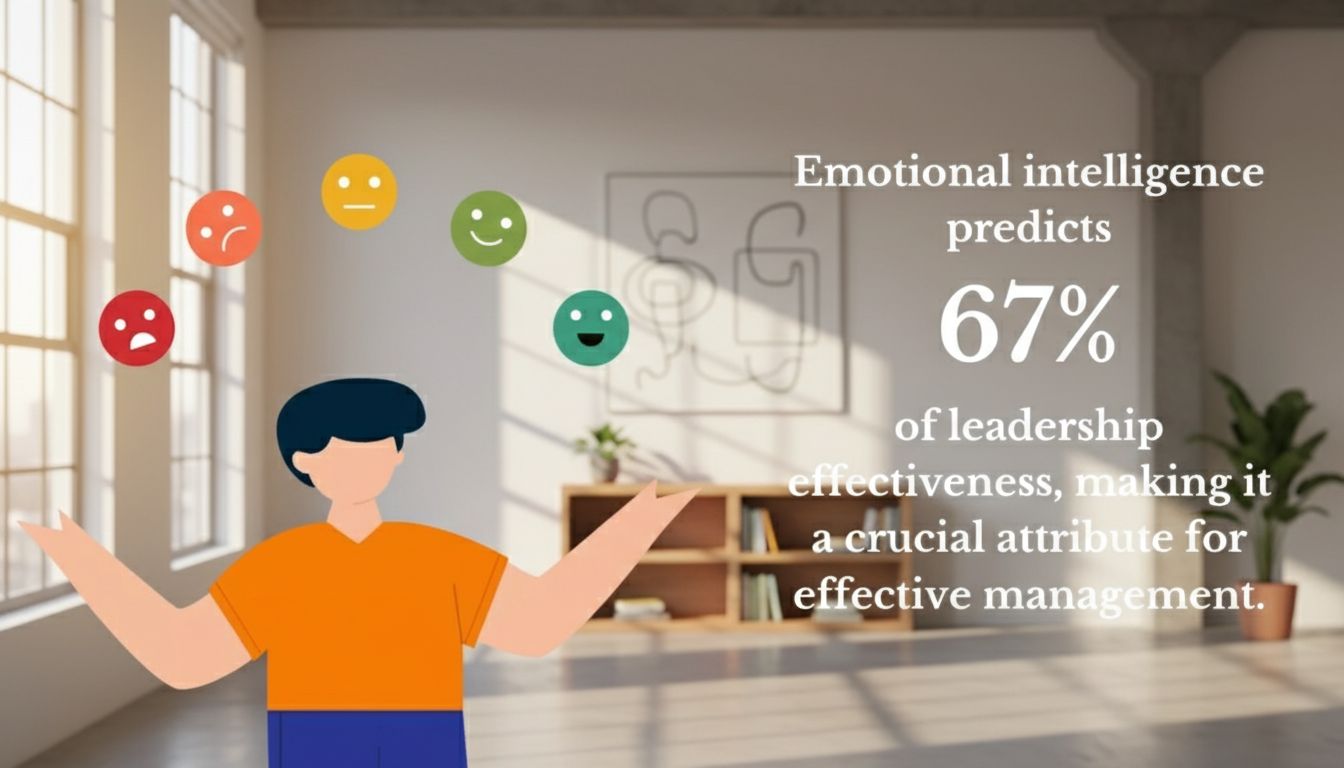
Conflict resolution involves several key factors that influence its effectiveness. Communication is paramount; clear and open dialogue can prevent misunderstandings and facilitate problem-solving. Additionally, the willingness to compromise and find mutual ground is essential. Emotional intelligence plays a role, helping individuals manage their emotions and empathize with others. By recognizing these factors, one can navigate conflicts more effectively.
Characteristics Affecting Outcomes
Besides key factors, certain characteristics can affect conflict resolution outcomes. Personal biases may cloud judgment and hinder objective decision-making. Power dynamics, where one party holds more influence, can skew the resolution process. Cultural backgrounds also impact conflict approaches, as different cultures may have varying norms and expectations regarding disputes.
Why Are People So Mean?
Psychological Reasons
Understanding why people are so mean often requires examining psychological reasons. Some individuals may exhibit meanness due to insecurity or low self-esteem, projecting their feelings onto others as a defense mechanism. Additionally, past trauma or unresolved personal issues can manifest as aggressive behavior.
Social and Environmental Influences
Social and environmental influences also contribute to why people are mean. Competitive environments or situations that promote rivalry can foster hostility. Moreover, societal norms that value aggression or assertiveness may encourage mean behaviors. Observing these influences helps in understanding and addressing the root causes of meanness.
Exploring Why People Are Mean
Impact of Personal Experiences
Personal experiences significantly impact why people are mean. Individuals who have faced bullying or rejection may develop defensive behaviors as a coping mechanism. Additionally, family dynamics and upbringing can shape one’s approach to conflicts and interactions, influencing how they treat others.
Role of Communication
Communication plays a critical role in understanding why people are mean. Miscommunications or lack of clarity can lead to assumptions and negative interactions. Improving communication skills can help individuals express themselves better, reducing the likelihood of mean or aggressive behavior.
Strategies for Handling Meanness
Developing Empathy
One effective strategy for handling meanness is developing empathy. By understanding the other person’s perspective and emotions, individuals can respond with compassion rather than aggression. This approach can de-escalate conflict and promote more constructive interactions.
Setting Boundaries
Setting boundaries is essential when dealing with meanness. Clearly defining what behavior is acceptable can deter negative actions. It empowers individuals to maintain their well-being and create a respectful environment. Boundaries also serve as a guide for healthy relationships.
Conclusion and Personal Growth
Learning from Conflicts
Conflicts, while challenging, offer opportunities for learning and personal growth. By reflecting on conflict resolution experiences, individuals can gain insights into their behaviors and improve future interactions. Each conflict provides a chance to develop better communication and problem-solving skills.
Embracing Positive Change
Understanding and addressing why people are mean can lead to positive change. By adopting strategies like empathy and setting boundaries, individuals can transform negative interactions into opportunities for growth. Embracing these changes fosters healthier relationships and contributes to personal development.
Safety Recap: When implementing strategies to handle meanness, prioritize personal safety and well-being. Ensure that emotional and physical boundaries are respected to maintain a secure environment.