German letters are the building blocks of the language, forming the foundation for anyone looking to delve into this rich and historic tongue. Understanding the German alphabet is essential for effective communication, whether you’re reading, writing, or speaking. Featuring unique German characters, such as the Umlaut and the Eszett, these letters open the door to a world of cultural and linguistic discovery. In this article, we will explore the intricacies of the German alphabet, covering its history, unique characters, pronunciation, and common challenges faced by learners.
Introduction to the German Alphabet
The German alphabet is largely based on the Latin script, similar to English, but with several distinctive twists. It consists of 26 basic letters, just like the English alphabet, but also includes additional characters that make German unique. These additions include the Umlauted letters (ä, ö, ü) and the Eszett (ß), each playing a critical role in pronunciation and meaning.
Learning the German alphabet is straightforward yet requires attention to detail, as the pronunciation of German alphabet letters often differs from English. Familiarity with these letters is the first step in mastering the language’s writing and phonetics.
History of German Letters
The German alphabet has evolved over centuries, influenced by various linguistic and political shifts. Originating from the Latin alphabet, the German version has been shaped by historical events, including the standardization efforts in the 19th century that aimed to unify various dialects.
Before this unification, the German-speaking world was fragmented, with different regions using different orthographies. The inclusion of specific German characters like the Umlaut and Eszett resulted from these efforts to create a standardized language that could be understood across all German-speaking regions.
Overview of German Characters
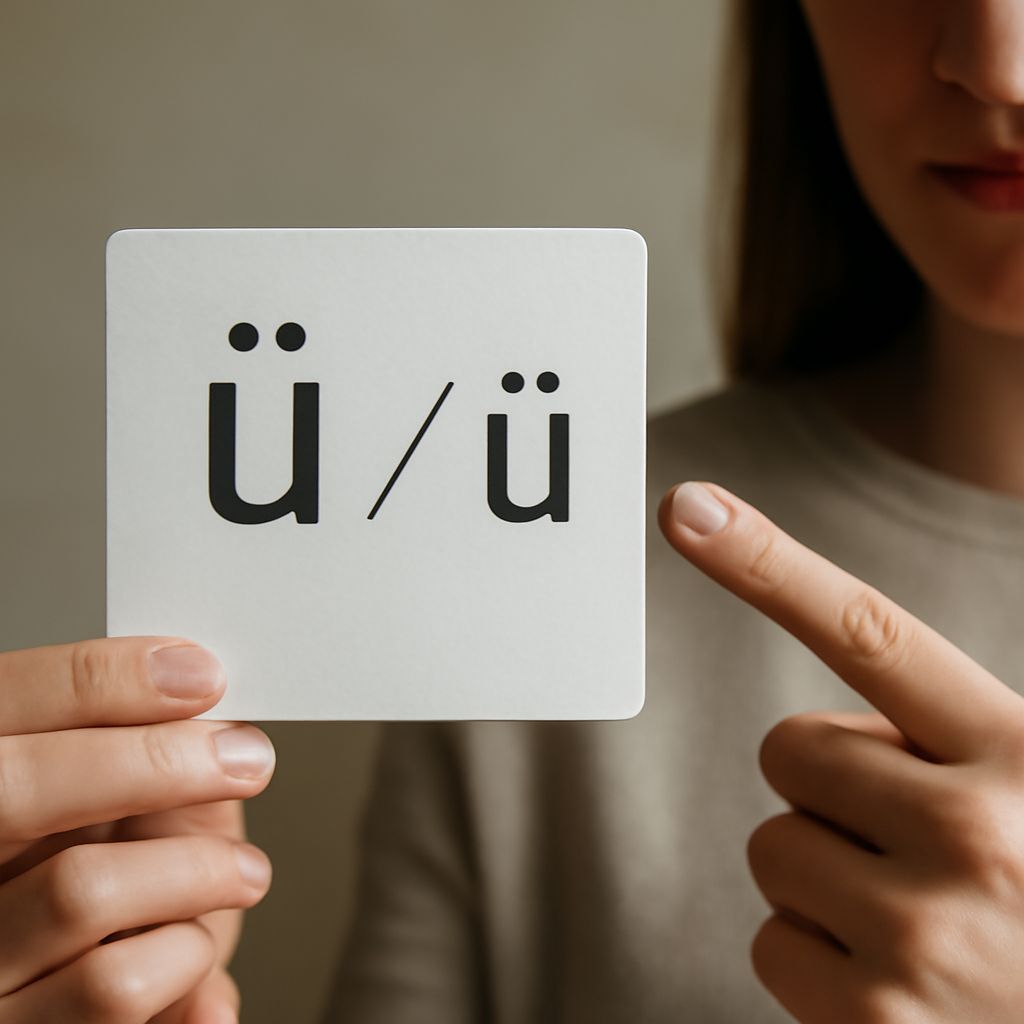
In the German alphabet, several characters stand out for their uniqueness. The Umlaut, indicated by the two dots above vowels like ä, ö, and ü, alters the vowel’s pronunciation, distinguishing words that would otherwise sound similar. The Eszett, or sharp S (ß), is another unique German character, representing a double ‘s’ sound, often found in words of Teutonic origin.
These German characters not only alter pronunciation but can also change the meaning of words entirely. For example, “schön” (beautiful) and “schon” (already) differ in both spelling and meaning. Mastery of these characters is, therefore, crucial for accurate communication.
Pronunciation of German Alphabet Letters
Pronunciation in German can be challenging for English speakers due to differences in vowel sounds and the articulation of consonants. Each letter in the German alphabet has a distinct pronunciation, and special attention must be paid to the Umlauts and the Eszett.
For example, the letter ‘w’ in German is pronounced like the English ‘v’, and ‘v’ is often pronounced like ‘f’. Umlauted vowels like ‘ä’, ‘ö’, and ‘ü’ have no direct English equivalents, requiring practice to master. The Eszett (ß) is pronounced as a sharp ‘s’, similar to the ‘ss’ in ‘kiss’.
Common Challenges with German Letters
One of the common challenges with German letters is distinguishing between similar sounds, especially when dealing with Umlauted characters and the Eszett. Learners often struggle with pronunciation and spelling due to these subtle differences.
Another challenge is the transition from learning individual letters to understanding their use in words and sentences. The German language is rich with compound words, where slight changes in letter usage can lead to entirely different meanings. Understanding context and practicing regularly are key strategies to overcome these challenges.
Key takeaways: Understanding the German alphabet is vital for mastering the language. While German letters may seem daunting at first, familiarity with the unique German characters and their pronunciation can significantly enhance your communication skills. Practice and exposure are essential to overcoming common challenges and achieving fluency.