A pinched nerve in the neck can be more than just a pain; it can significantly alter your daily life. When the nerve is compressed, it can lead to a range of issues often referred to as cervical radiculopathy. Understanding pinched nerve in neck symptoms is the first step towards finding relief. This article will guide you through identifying C5 nerve root compression symptoms and exploring cervical radiculopathy treatment options. Alongside medical interventions, it’s crucial to consider preventive measures and how mental health plays a role in managing these conditions.
What is a Pinched Nerve in the Neck?
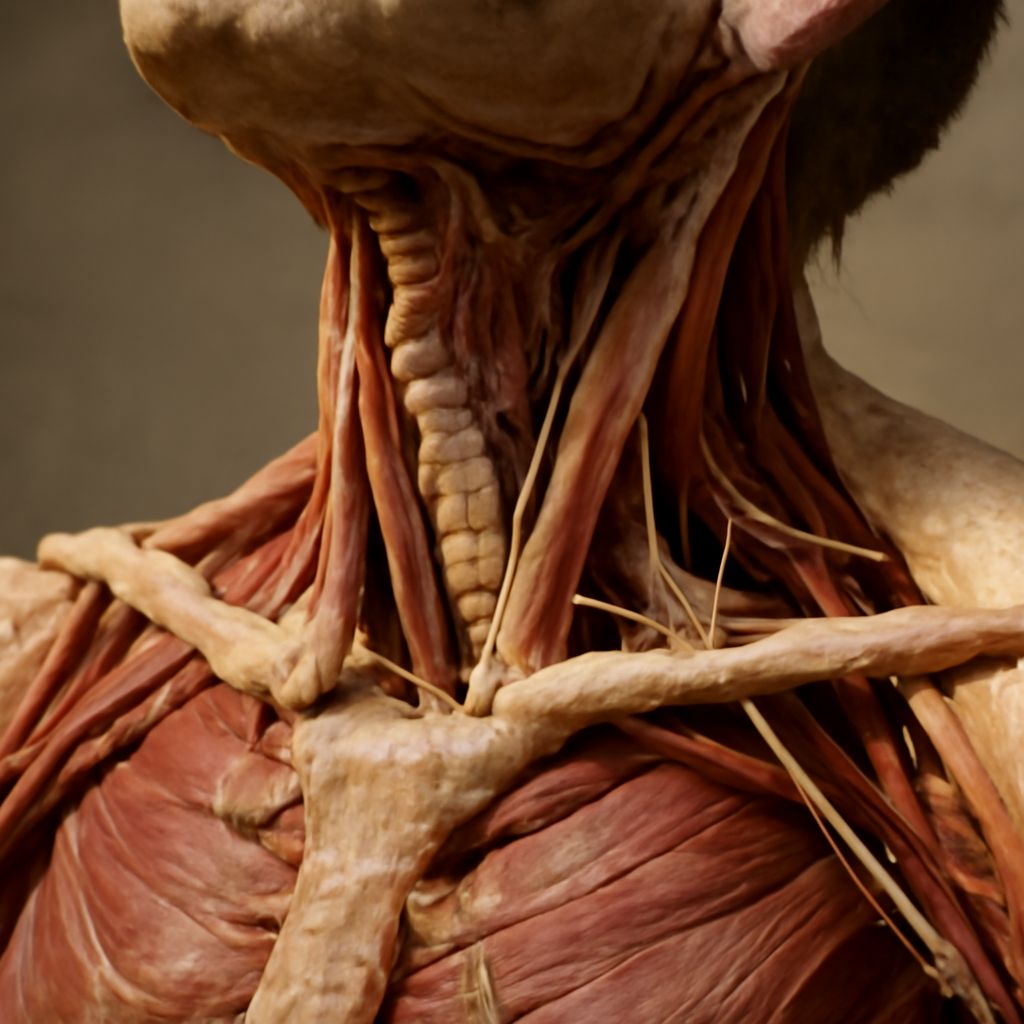
A pinched nerve in the neck occurs when a nerve in the cervical spine is compressed or irritated. This compression can be due to various factors such as herniated discs, bone spurs, or injuries. When the nerve is pinched, it cannot function properly, leading to symptoms that vary depending on the nerve affected.
The condition is often linked to aging as the spine undergoes degenerative changes. However, injuries from accidents or trauma can also result in a pinched nerve. Understanding pinched nerve in neck symptoms helps in identifying the issue early and seeking appropriate care.
Common Symptoms of a Pinched Nerve in the Neck
Pinched nerve in neck symptoms can manifest in several ways. The most common include pain radiating from the neck to the shoulders, arms, or hands. This pain can be sharp or burning and is often accompanied by numbness or tingling sensations.
Muscle weakness is another symptom often associated with a pinched nerve. When the muscles cannot receive proper signals from the nerve, they may struggle to function, leading to weakness or, in severe cases, atrophy. Paying attention to these signs is crucial for early diagnosis and treatment.
Recognizing C5 Nerve Root Compression Symptoms
C5 nerve root compression symptoms are specific to the fifth cervical vertebra. These symptoms often include weakness in shoulder muscles, particularly the deltoids, and can lead to difficulty in shoulder movement. Additionally, there may be a noticeable decrease in the biceps reflex.
Understanding C5 nerve root compression symptoms enables targeted treatment. It is essential to differentiate these symptoms from other cervical radiculopathy signs to ensure the correct approach to management and relief.
Cervical Radiculopathy Treatment Options
Treatment for cervical radiculopathy typically begins with conservative methods. Physical therapy is often recommended to strengthen neck muscles and improve flexibility. This approach can help alleviate pressure on the nerve, reducing symptoms.
Medications such as non-steroidal anti-inflammatory drugs (NSAIDs) can manage pain and swelling. In some cases, corticosteroid injections may be used to provide more immediate relief. If conservative treatments fail, surgical options like discectomy or spinal fusion might be considered to permanently relieve nerve compression.
Each treatment plan should be personalized, taking into account the severity of the symptoms and the patient’s overall health. Consulting with healthcare professionals ensures that the chosen cervical radiculopathy treatment aligns with individual needs.
Preventive Measures and Mental Health Considerations
Preventing a pinched nerve in the neck involves maintaining good posture and ergonomic practices, especially during activities that strain the neck. Regular exercise and stretching can keep the neck flexible and reduce the risk of nerve compression.
Mental health is an often overlooked aspect of managing chronic pain associated with pinched nerves. Chronic pain can lead to stress, anxiety, or depression, impacting overall well-being. Mindfulness practices, stress management techniques, and therapy can be beneficial adjuncts to medical treatments.
Addressing both physical and mental health ensures a comprehensive approach to managing the condition, promoting better quality of life and symptom control.
Bottom line: Recognizing and understanding pinched nerve in neck symptoms is vital for effective management. By exploring various cervical radiculopathy treatment options and considering preventive measures and mental health, individuals can find relief and improve their quality of life.