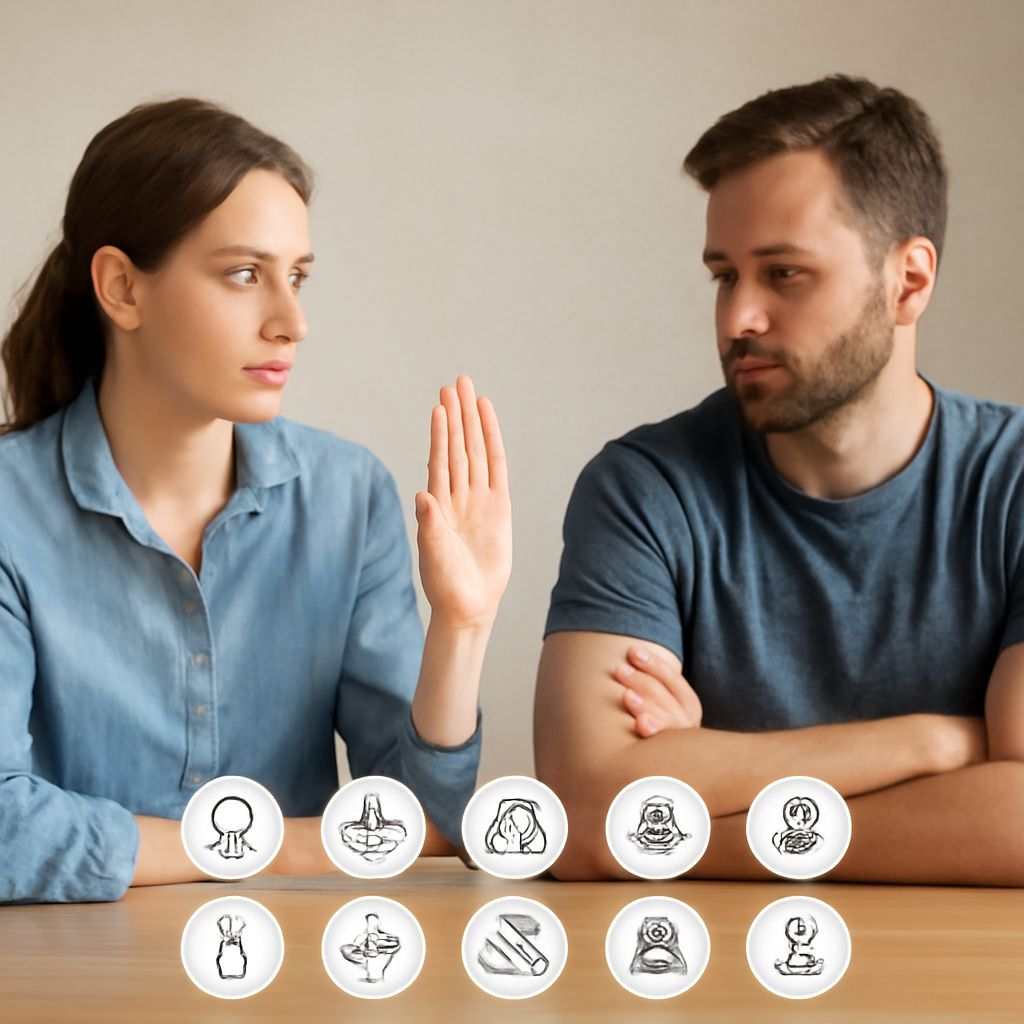
Understanding the nuances of human interaction goes beyond words alone. Significant insights are hidden within our body language gestures, revealing emotions and intentions often left unspoken. By exploring body language examples, we can enhance our communication skills and psychological insights, allowing us to better connect with others.
Introduction to Body Language
Body language is a form of non-verbal communication that uses physical behaviors to convey information. It includes facial expressions, gestures, posture, and other bodily movements. By interpreting these signals, individuals can gain a deeper understanding of others’ emotions and thoughts, fostering more effective interpersonal communication.
Common Body Language Examples
Everyday interactions are filled with body language examples that reveal much about our feelings and intentions. For instance, crossed arms might indicate defensiveness, while a genuine smile often signals friendliness and openness. Eye contact can either establish trust or, if overly intense, create discomfort.
Other examples include the tapping of feet or fingers, which may suggest impatience or nervousness, and the leaning in towards someone during a conversation, implying interest and engagement. These gestures, though subtle, play a crucial role in shaping our interactions.
Decoding Body Language Gestures
Facial Expressions
The face is a powerful tool for expressing emotions. Happiness, anger, surprise, and sadness can all be communicated through facial expressions. A furrowed brow might indicate confusion or concern, while raised eyebrows often suggest surprise or skepticism.
Hand and Arm Movements
Gestures involving hands and arms are vital in communication. Waving can serve as a friendly greeting, while a clenched fist might express anger or determination. Open palms are generally seen as a sign of honesty and openness.
These movements can emphasize what is being said or serve as non-verbal cues that complement verbal communication, adding layers of meaning to an interaction.
Posture and Stance
How we position our bodies can silently communicate volumes. Standing tall with shoulders back often conveys confidence, whereas slouching might suggest insecurity or fatigue. The direction our feet point can also indicate where our interest lies, subtly showing our focus or disinterest in a conversation.
Cultural Variations in Body Language
Body language is not universal; it varies significantly across cultures. A gesture that is friendly in one culture might be offensive in another. For instance, the “thumbs up” sign is positive in many Western cultures but can be considered rude in some Middle Eastern countries.
Understanding these cultural differences is essential for effective cross-cultural communication, preventing misunderstandings and fostering respect and empathy.
Improving Communication with Body Language
Awareness of body language examples can significantly enhance communication skills. By observing others and being mindful of our own gestures, we can respond more appropriately and empathetically. This awareness helps in adjusting our body language to convey the intended message clearly and effectively.
Practicing open body language, such as maintaining eye contact and nodding, can encourage trust and rapport during interactions, making conversations more productive and meaningful.
Conclusion
Body language gestures are a window into the unspoken world of human emotions and intentions. By understanding and interpreting these signals, we improve not only our communication but also our psychological insights. Whether in personal or professional settings, being attuned to body language enriches our interactions, fostering stronger connections and deeper understanding.