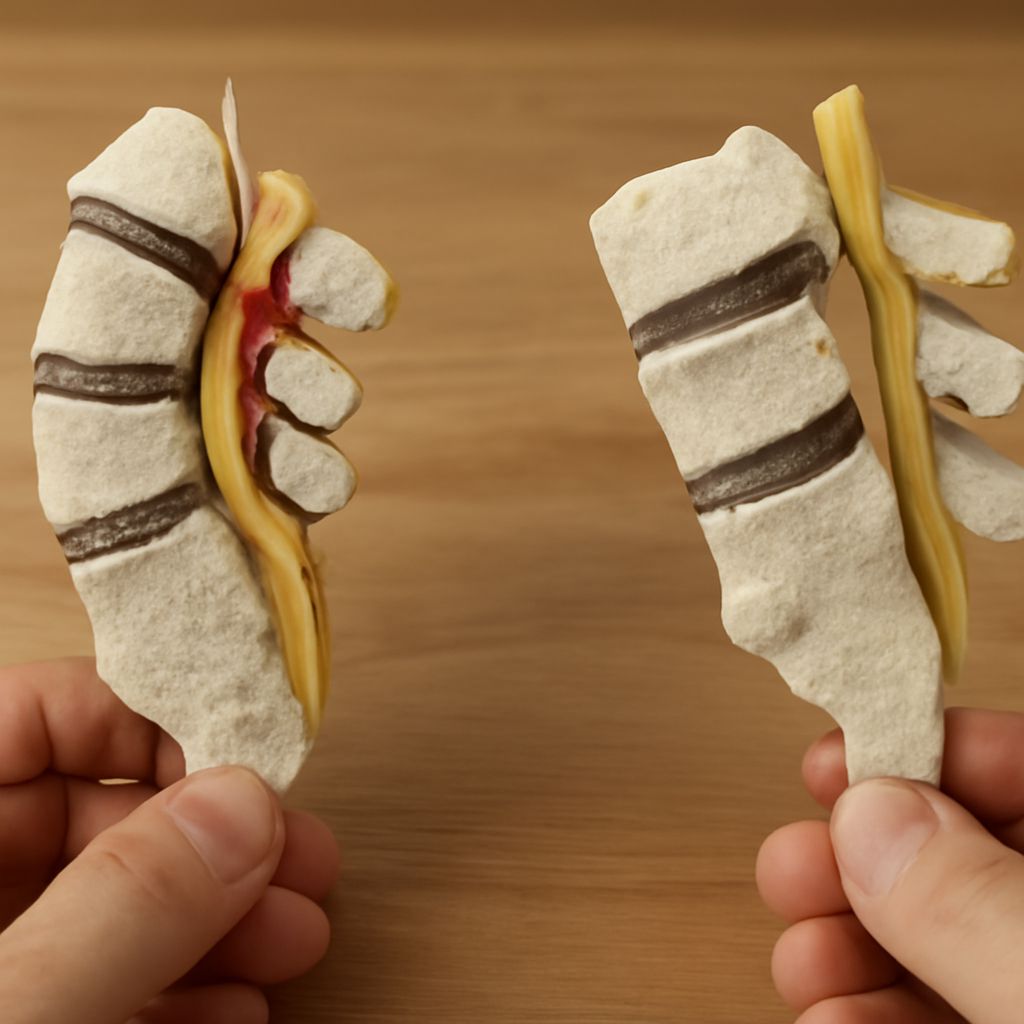
Cervical dystonia, also known as spastic torticollis or cervical distonia, is a challenging neurological disorder that profoundly affects the lives of those diagnosed. Understanding what cervical dystonia entails, including its symptoms, causes, and management options, is essential for patients and caregivers alike. This article explores these aspects, emphasizing an ethical and philosophical examination of living with and managing this condition.
Introduction to Cervical Dystonia
Cervical dystonia is a movement disorder characterized by involuntary muscle contractions in the neck, leading to abnormal movements and awkward postures of the head and neck. These disturbances are not only physically painful but also emotionally taxing, often influencing the quality of life of those affected. Recognizing the significant impact of this condition is the first step towards managing it effectively.
What is Cervical Dystonia?
At its core, cervical dystonia is a chronic, often painful condition that can manifest in a variety of ways. The disorder is sometimes referred to as cervical distonia, highlighting its placement in the cervical spine region. The term spastic torticollis is also used, underlining the twisting nature of the muscle spasms involved.
For many, these spasms can result in tilting, turning, or jerking motions of the head and neck. Though the exact cause remains unclear, cervical dystonia is believed to involve abnormal functioning in the brain’s basal ganglia, which is responsible for coordinating movement.
Symptoms and Diagnosis
The symptoms of cervical dystonia can vary widely in intensity and presentation. Commonly, individuals experience neck pain and stiffness, involuntary muscle contractions, and headaches. These symptoms can often be exacerbated by stress or fatigue.
Diagnosis typically involves a thorough clinical examination, where a neurologist will assess the patient’s medical history and perform specific tests to confirm the presence of cervical dystonia. Imaging tests such as MRI may be used to rule out other conditions.
Causes and Risk Factors
The exact cause of cervical dystonia is not well understood, but it is believed to be multifactorial. Genetic predisposition is thought to play a role, with studies indicating that the condition can run in families. Environmental factors may also contribute, though evidence remains inconclusive.
Risk factors for developing cervical dystonia include a family history of dystonia or other movement disorders, and certain lifestyle aspects such as occupational stress. Understanding these factors is crucial in providing a comprehensive care plan for patients.
Managing Cervical Dystonia Pain
Managing the pain associated with cervical dystonia requires a multi-faceted approach. Treatment options often include medications such as muscle relaxants and botulinum toxin injections, which can help reduce muscle spasms and associated pain.
In addition to medical treatments, physical therapy and lifestyle modifications play critical roles. Techniques like stretching and strengthening exercises, along with stress management strategies, can significantly alleviate symptoms.
Some patients may also explore alternative therapies, such as acupuncture or massage, which can provide additional relief from the discomfort associated with cervical dystonia.
Philosophical Perspectives
The philosophical exploration of cervical dystonia extends beyond its physical manifestation, delving into its impact on identity and quality of life. Living with a chronic condition like cervical dystonia often challenges one’s sense of self and autonomy.
It raises ethical questions about the balance between medical intervention and natural coping mechanisms. Emphasizing empathy and understanding, both patients and healthcare providers can navigate the complexities of treatment options and personal comfort.
Ultimately, adopting a holistic approach that considers both the physical and emotional dimensions of cervical dystonia can empower individuals to live more fulfilling lives despite their condition.
Safety Recap: When utilizing treatments like botulinum toxin injections or engaging in physical therapy, it is crucial to consult with healthcare professionals to ensure safety and effectiveness.