The ability to communicate effectively in Spanish hinges on mastering various tenses, with the preterite being an essential component. Understanding Spanish preterite verbs is crucial for expressing actions that occurred in the past. In this guide, we will explore how to confidently use preterite verbs in everyday conversation. By diving into common preterite verbs and their conjugations, you’ll enhance your fluency and communicate more precisely.
Understanding the Spanish Preterite Tense
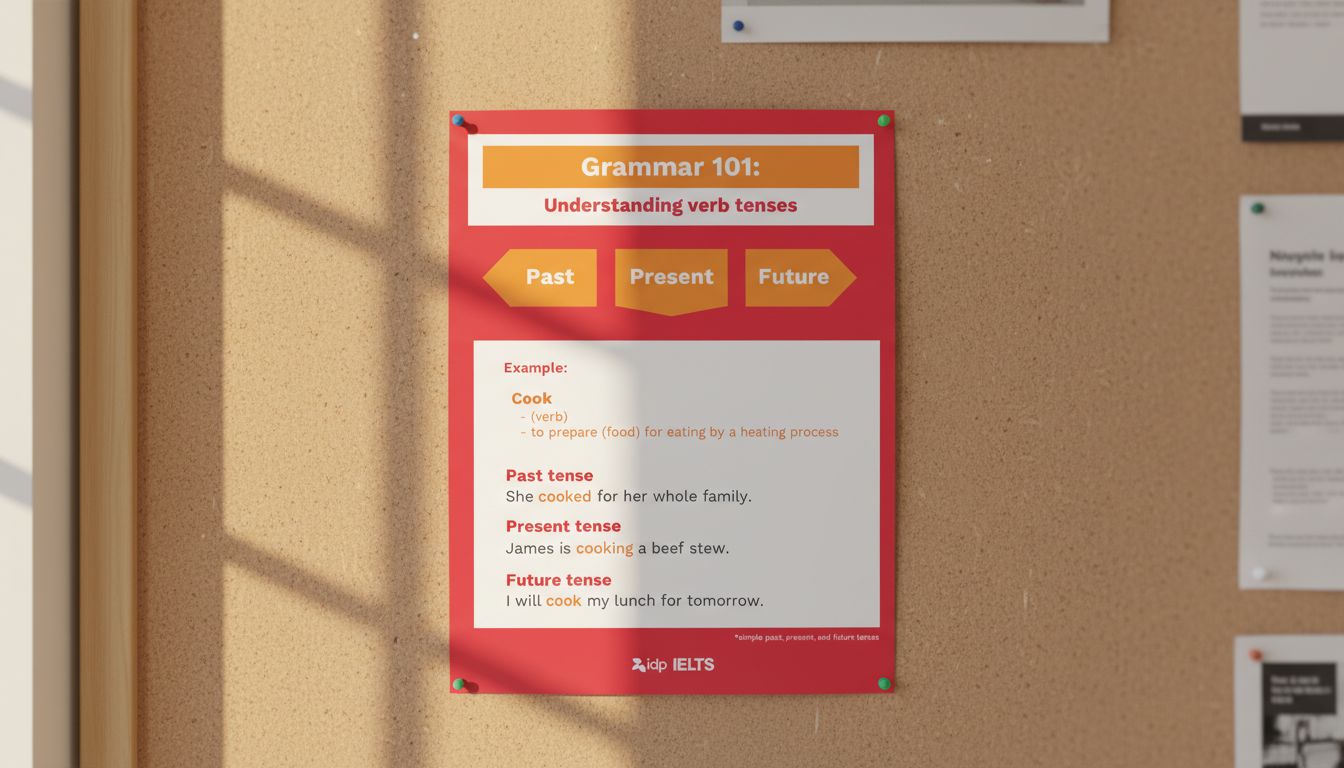
The Spanish preterite tense refers to actions completed at a specific point in the past. Unlike the imperfect tense, which describes ongoing or habitual past actions, the preterite focuses on events with a clear beginning and end. This distinction is important for conveying the right nuances in your conversations.
For instance, saying “Yesterday, I ate at a restaurant” in Spanish requires the preterite tense to indicate the action’s conclusion. Mastering preterite conjugations ensures you can accurately describe past events. As we proceed, we’ll explore how these conjugations form the backbone of past-tense communication in Spanish.
Common Preterite Verbs
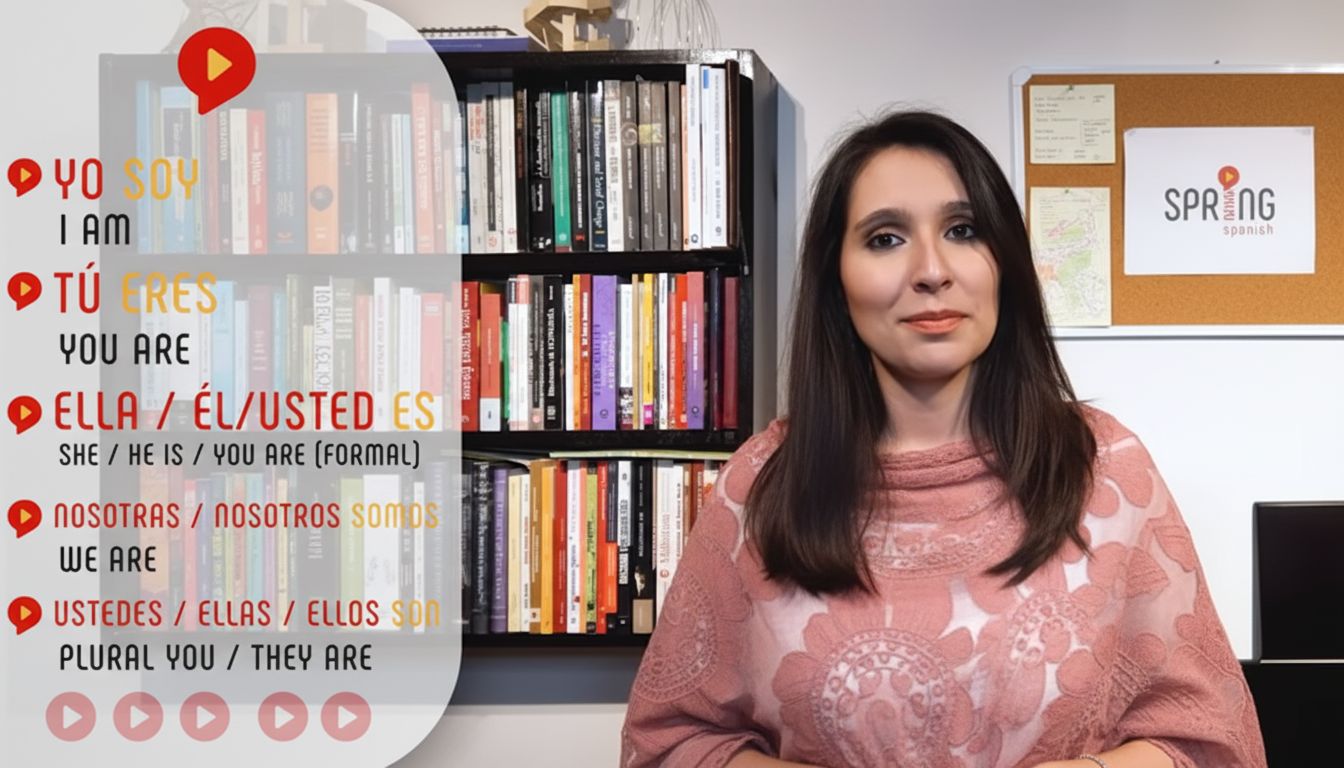
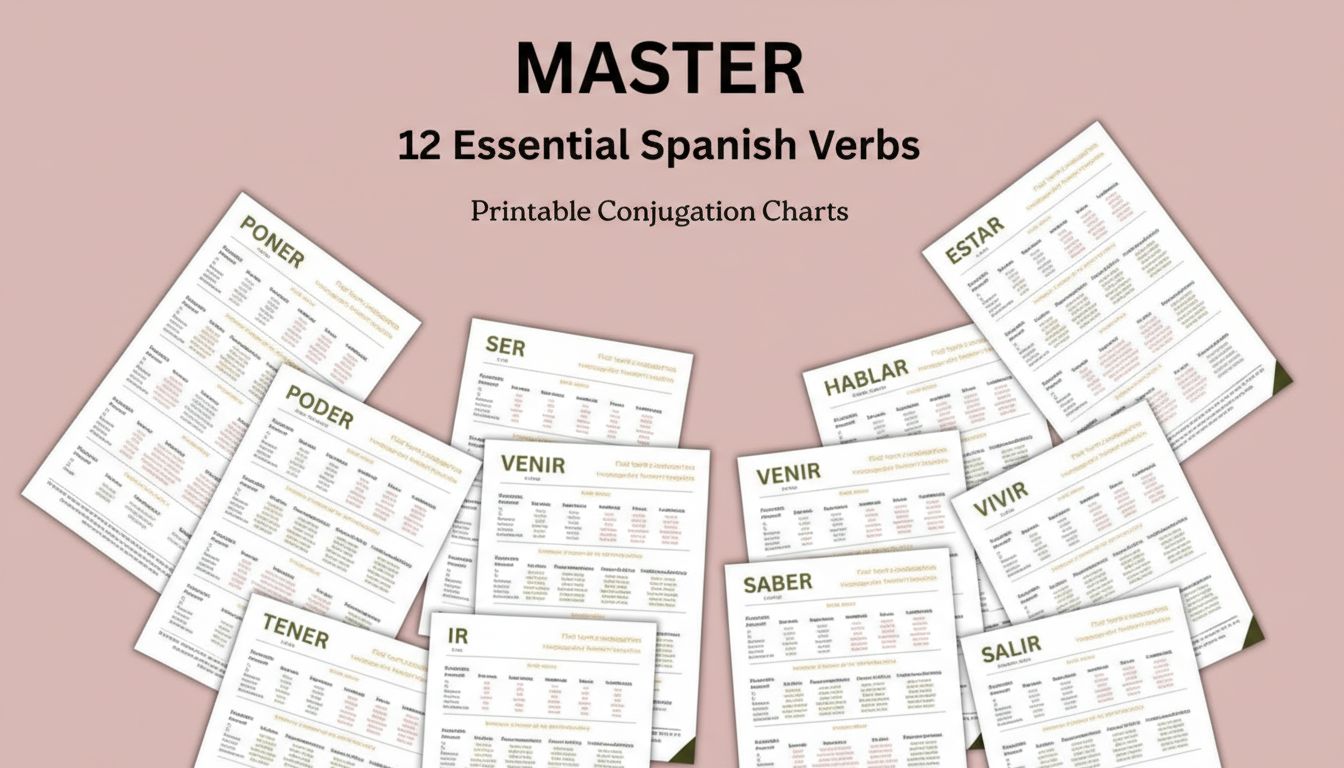
Some verbs are more frequently used in the preterite tense due to their relevance in discussing past events. These include verbs like ir (to go), ser (to be), tener (to have), and hacer (to do/make). Each of these verbs has unique preterite forms that are essential for fluency.
For example, ir and ser share the same preterite conjugations, making them exceptions among Spanish preterite verbs. Understanding these common verbs provides a solid foundation for grasping more complex conjugations. Familiarize yourself with these verbs to enhance your conversational skills quickly.
Conjugating Regular Preterite Verbs
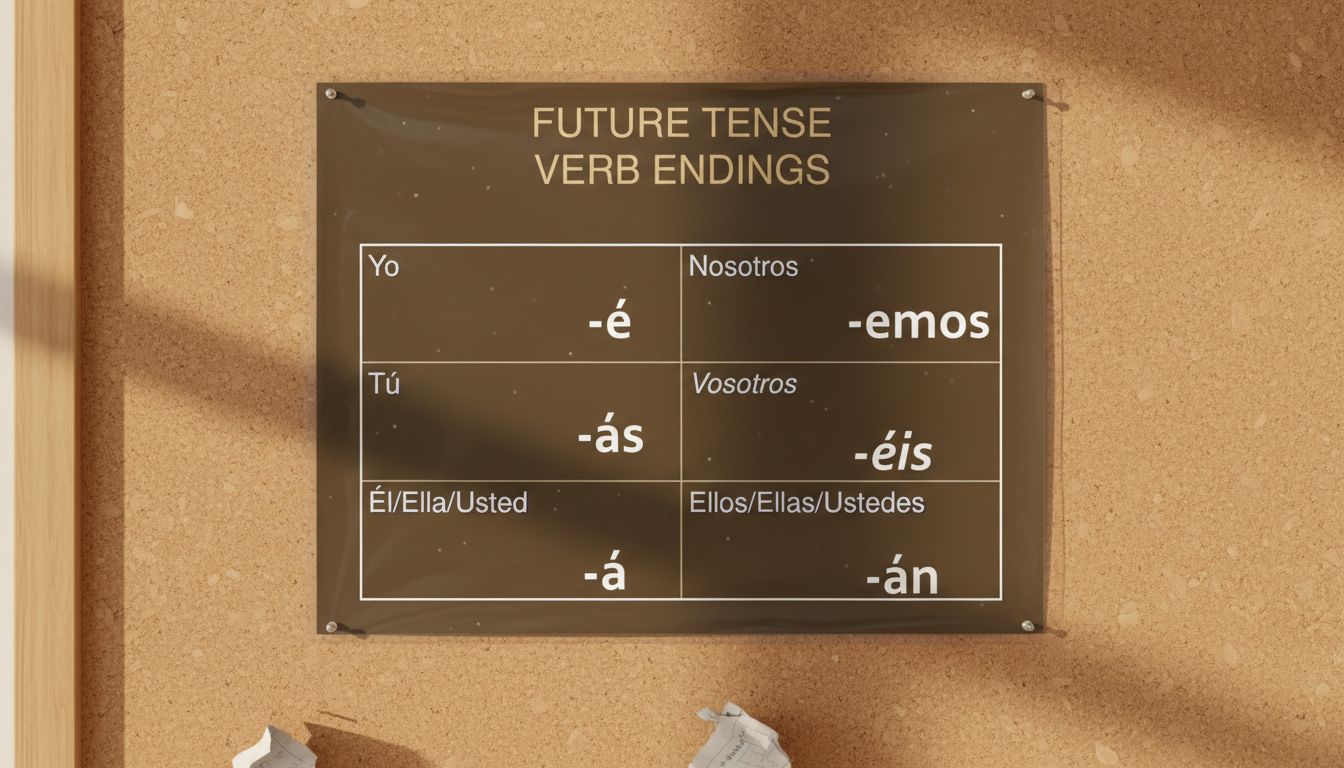
Regular preterite verbs follow predictable patterns based on their infinitive endings: –ar, –er, and –ir. This consistency simplifies the learning process. For –ar verbs like hablar (to speak), the preterite endings are –é, –aste, –ó, –amos, –asteis, and –aron.
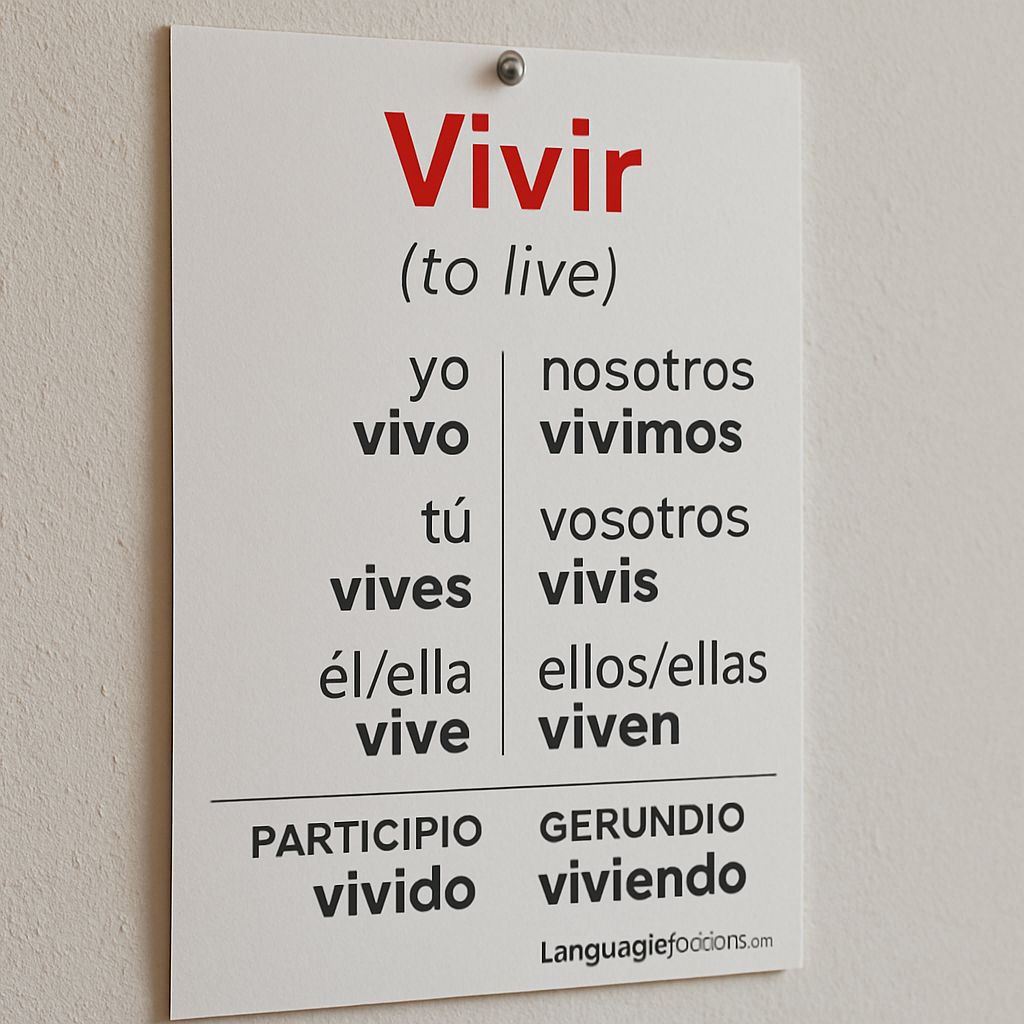
For –er and –ir verbs, such as comer (to eat) and vivir (to live), the conjugations are the same: –í, –iste, –ió, –imos, –isteis, –ieron. Practicing these regular conjugations enables you to speak more accurately about past events.
Irregular Preterite Conjugations
Irregular preterite conjugations can be challenging due to their unique forms, but they are crucial for fluency. These verbs deviate from regular patterns and must be memorized individually. Key examples include tener, estar, and decir, whose stems change in the preterite.
For instance, tener becomes tuve, tuviste, tuvo, tuvimos, tuvisteis, and tuvieron. Learning these irregular forms requires practice and repetition. Focus on high-frequency verbs to prioritize your studies and build confidence.
Practical Tips for Learning Preterite Conjugations
Mastering preterite conjugations involves more than memorization; it requires practical application. Begin by integrating regular and irregular preterite verbs into your daily interactions. Use flashcards to reinforce conjugations and engage in conversations with native speakers.
Additionally, context is key. Listen to Spanish media, paying attention to how past actions are described. This exposure helps solidify your understanding of when to use the preterite tense. Remember, consistency and practice are your allies in becoming proficient in Spanish preterite conjugations.