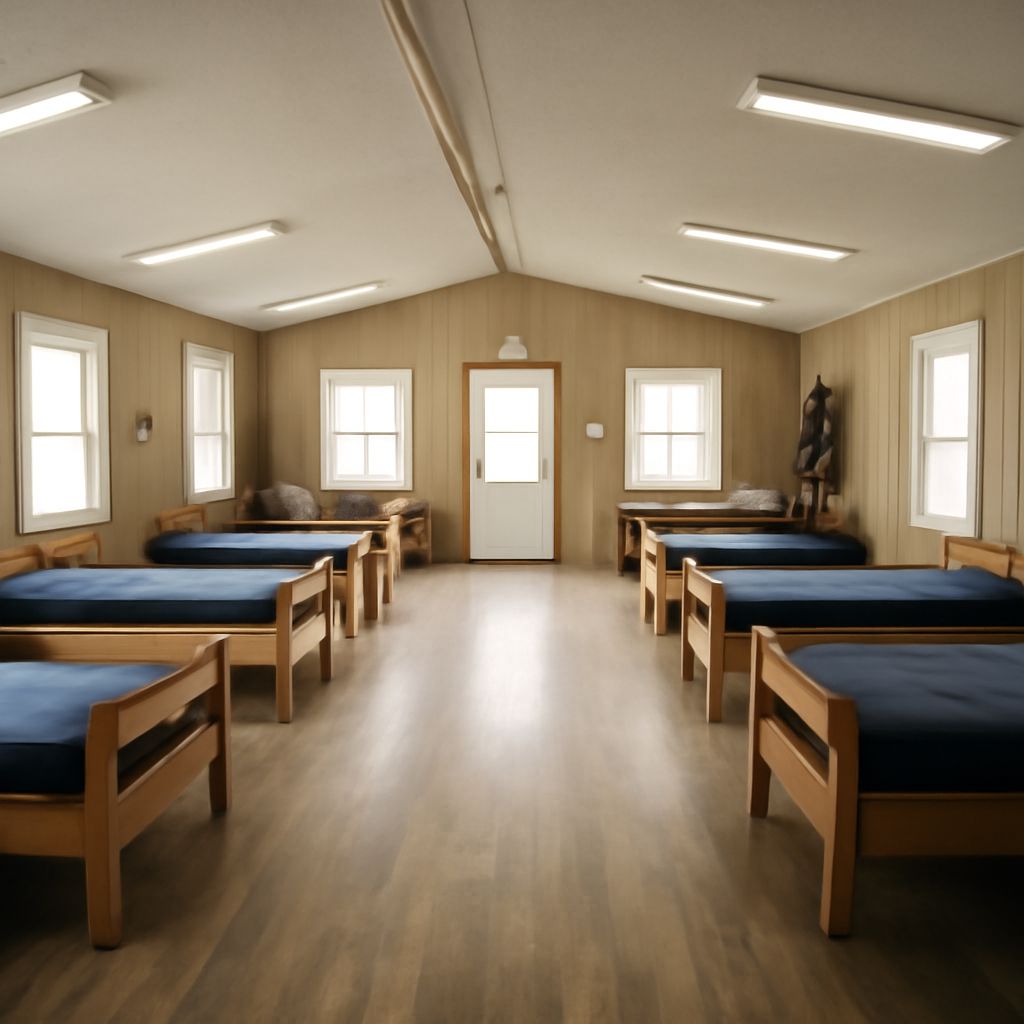
When it comes to supporting teens with mental health challenges, understanding the options available is crucial. Two primary environments that provide care and structured assistance are group homes for teens and juvenile residential treatment centers. Each offers unique advantages tailored to meet the diverse needs of adolescents facing various difficulties.
Introduction to Group Homes
Group homes for teens are residential facilities designed to offer a supportive and structured environment. These homes typically host a small number of residents, allowing for personalized attention and care. The primary goal of group homes is to provide a safe space where teens can develop life skills, receive counseling, and build positive relationships.
In a group home, teens often participate in daily routines that mimic family life. This setting helps teach responsibility, cooperation, and problem-solving skills. Staff members are usually trained professionals who guide teens through their challenges, offering both emotional and practical support.
Benefits of Group Homes for Teens
One of the main benefits of group homes for teens is the nurturing environment they provide. Teens have the opportunity to bond with peers who may share similar experiences, fostering a sense of community and belonging. This social support can be critical in helping them navigate personal struggles.
Additionally, group homes offer structured programs that focus on developing essential skills. From managing emotions to handling daily tasks, these programs are designed to help teens transition smoothly into adulthood. The stability of a group home setting can also significantly improve a teen’s mental health, providing them with the tools they need to succeed outside the facility.
What Are Juvenile Residential Treatment Centers?
Juvenile residential treatment centers are specialized facilities focused on addressing more severe mental health issues and behavioral problems. These centers offer intensive therapy programs that include individual, group, and family counseling. The goal is to provide comprehensive treatment that addresses the underlying causes of a teen’s difficulties.
Treatment centers often have a team of psychologists, psychiatrists, and other healthcare professionals who work together to create personalized treatment plans. These plans are tailored to each teen’s specific needs, ensuring they receive the best possible care. Unlike group homes, treatment centers usually have a more clinical atmosphere, focusing heavily on therapeutic interventions.
Comparing Group Homes and Treatment Centers
Key Differences
While both group homes and juvenile residential treatment centers aim to support teens, they differ in their approach and intensity. Group homes emphasize creating a family-like atmosphere with a focus on life skills and social connections. In contrast, treatment centers offer a more intensive therapeutic environment aimed at addressing deeper psychological issues.
Another key difference is the level of professional involvement. Group homes typically have fewer healthcare professionals on-site compared to treatment centers, which often have a full team of specialists. This distinction is crucial when deciding which environment is best suited for a teen’s needs.
Choosing the Right Option
Choosing between a group home and a juvenile residential treatment center depends on the specific needs and challenges faced by the teen. For those who require a nurturing environment to learn basic life skills and develop social connections, group homes for teens might be the ideal choice. On the other hand, if a teen needs intensive psychological support, a treatment center may be more appropriate.
It is essential for families to assess the individual needs of their teen, consider professional recommendations, and visit potential facilities. Understanding the philosophy and approach of each option can help in making an informed decision that will best support the teen’s growth and well-being.
Conclusion
Both group homes for teens and juvenile residential treatment centers play critical roles in supporting adolescents through difficult times. By offering structured environments and specialized care, these facilities help teens overcome challenges and develop into healthy adults. Families must carefully consider their options to ensure they choose the best possible path for their child’s future.
Safety Recap: Always ensure that any facility, whether a group home or treatment center, is licensed and adheres to safety and care standards. Engaging with qualified professionals is essential for the well-being of the teens in their care.