Why can a person recognize a childhood home decades later yet struggle to recall a name heard yesterday? Memories that last beyond an immediate encounter depend on how an experience is encoded, how its traces change over time, and what cues are available when it is recalled. A memory can persist for years without remaining equally easy to reach throughout that period.
In psychology, a definition of long-term memory describes the capacity to retain information beyond the brief period of immediate awareness. That information includes personal events, general knowledge and learned skills. These forms differ in what they preserve and in the brain systems that support them.
Long term memory definition psychology students can use
A long term memory definition psychology students can use is the retention of information over an extended period, allowing past learning to influence later thought or behavior. Psychologists define memory for the long term as a range of retained information rather than a single container. Remembering the capital of a country, recalling a family celebration and riding a bicycle all draw on earlier learning, but each makes that learning available in a different way.
An example of long term memory is recognizing a melody learned in childhood when it plays unexpectedly in a store. The sound can bring back the tune, its words or even an occasion associated with it. Those responses are related, yet recognizing the melody and consciously reconstructing an event are distinct expressions of memory.
Researchers often distinguish encoding, consolidation and retrieval. Encoding concerns the way an experience is represented as it happens. Consolidation refers to processes that stabilize and reorganize a memory after learning. Retrieval is the later use of stored information, whether a person deliberately recalls a fact or shows a learned skill through action. These processes overlap: retrieval itself can alter what is remembered on a later occasion.
Facts and events: declarative memory
Declarative memory involves information that can be consciously brought to mind and described. It includes episodic memory, which relates to personally experienced events, and semantic memory, which concerns knowledge of facts and concepts. A remembered birthday dinner may include the room, the people and a sense of being there; knowing that Paris is the capital of France is semantic knowledge.
The distinction is useful even though the two forms interact. A person might recall learning a new word during a particular conversation and later know its meaning without remembering that conversation. Details of a specific episode can fade while knowledge acquired from it remains accessible. Conversely, an event is interpreted using concepts the person already knows.
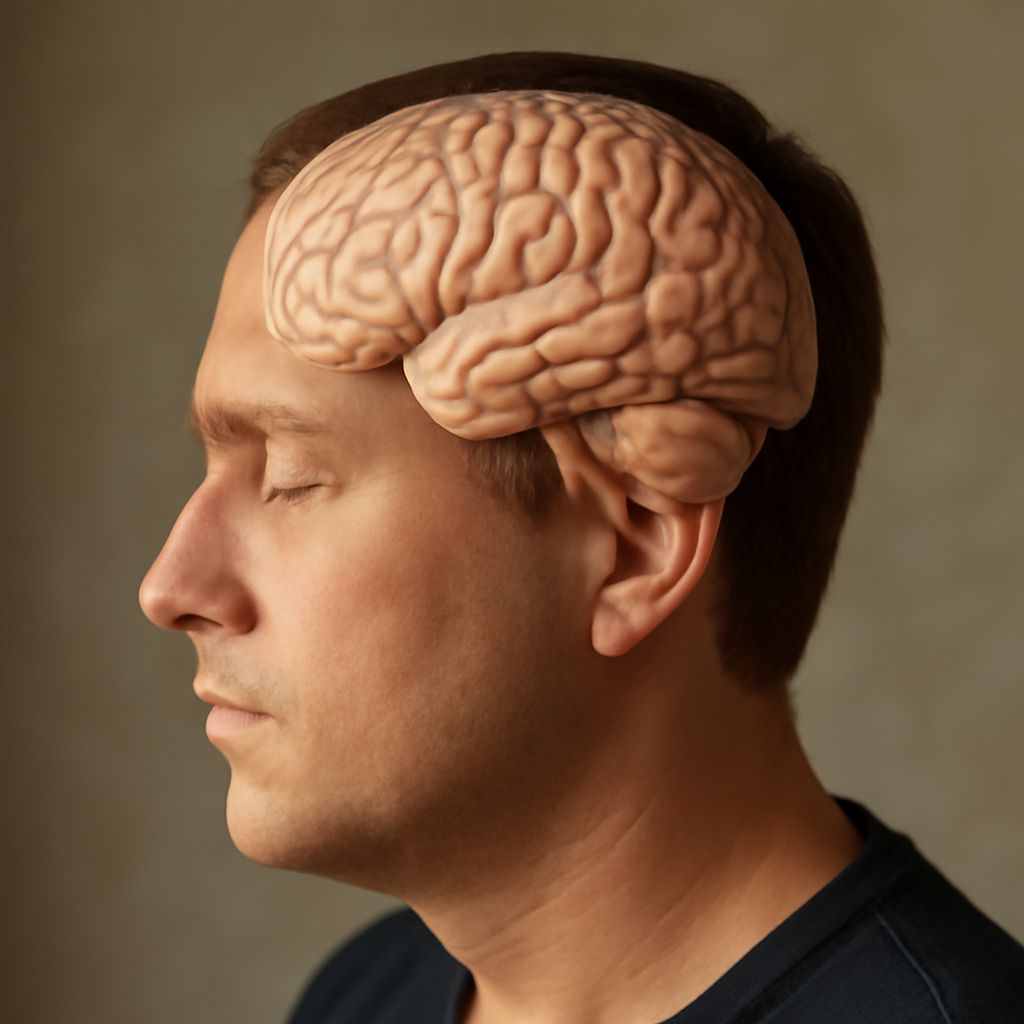
For many new declarative memories, the hippocampus and nearby medial temporal structures have a central role. Evidence from people with damage to these areas shows severe difficulty forming new memories of facts and events, while some other learning can remain possible. The hippocampus helps connect elements of an experience represented across different cortical networks, such as a place, a face and a conversation.
This organization is not equivalent to a video file placed in a single location. When the dinner is recalled, elements of the experience are brought together again, and gaps may be filled using expectations or later knowledge. The resulting account can be meaningful and detailed while containing errors. Confidence in a recollection and accuracy do not always move together.
Skills and other nondeclarative memories
Nondeclarative memory is expressed through changes in performance or responses rather than necessarily through conscious recollection. Procedural learning is one example: a practiced cyclist can balance and steer without describing every adjustment. The learned coordination is evident in the action, even if the original practice sessions cannot be recalled.
Other examples include priming, in which earlier exposure influences a later response, and learned associations between events. These are not all versions of the same skill. They involve different tasks and circuits, and a person’s ability to perform one kind of learning does not establish that all forms are intact.
Motor skills involve networks that include the basal ganglia, cerebellum and motor regions of the cortex, with their relative contributions depending on the task and stage of learning. The hippocampus may also contribute in some circumstances. Evidence for multiple systems therefore supports a more precise question than where memory resides: which kind of retained information is being used, and what does the task require?
How traces become more lasting
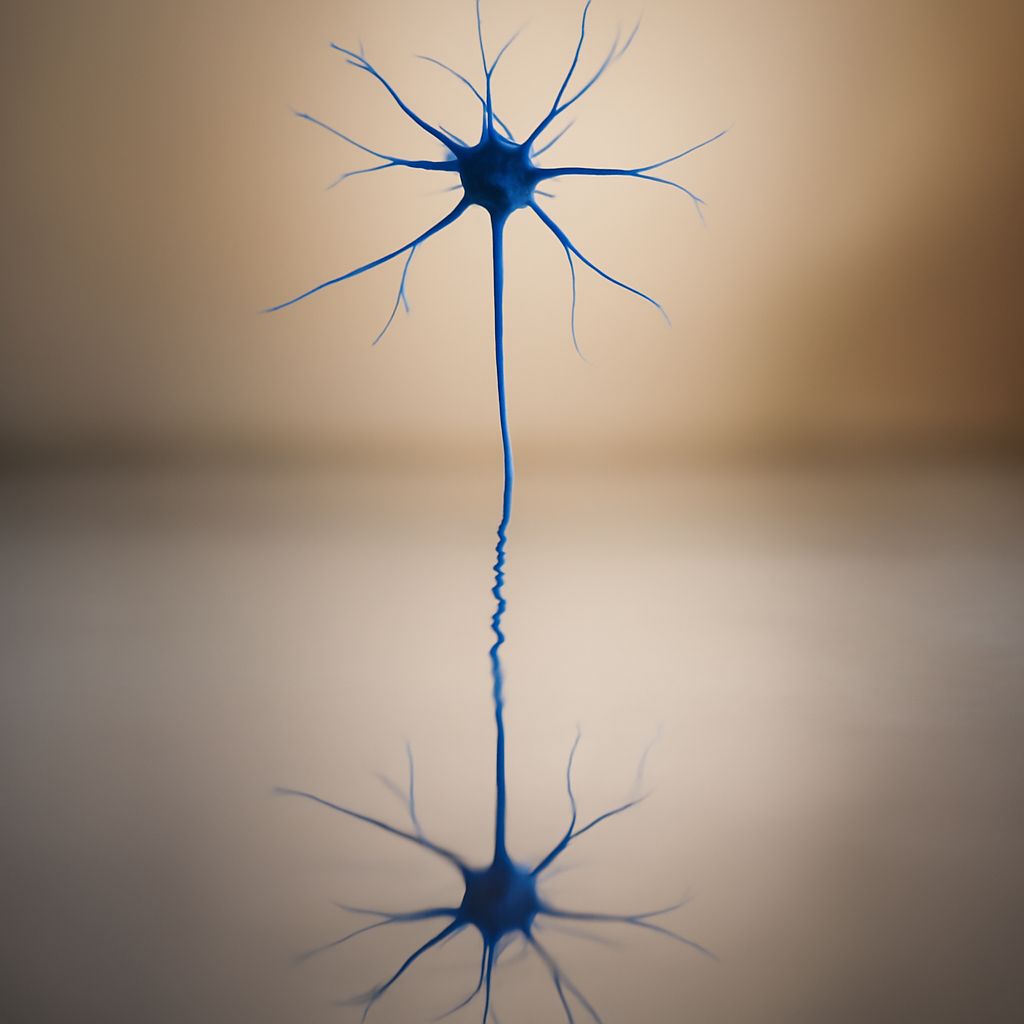
Experience changes activity in networks of neurons. One well-studied mechanism is synaptic plasticity: the strength of communication between neurons can change with their activity. Lasting changes can involve molecular processes and changes in connections. These findings support a biological account of retention, though a single strengthened connection cannot explain the full content of a complex personal event.
Consolidation operates at more than one scale. Over hours after learning, cellular processes help stabilize changes within circuits. Over longer periods, interactions among the hippocampus and cortical networks can reorganize the systems supporting a memory. Sleep is associated with processes that support consolidation, including the reactivation of patterns linked to earlier experience.
Studies of long term memory brain networks examine how the regions supporting an old event may differ in their involvement from those supporting a recent event. Researchers continue to debate how far detailed, remote episodic memories depend on the hippocampus. Some accounts emphasize a diminishing dependence as cortical connections develop; others give the hippocampus an enduring role in retrieving vivid contextual detail. The evidence supports reorganization, but the exact division of labor remains an active question.
Studies also suggest that some retrieved memories can temporarily become susceptible to change before restabilizing, a process called reconsolidation. This does not mean that every act of remembering rewrites a memory. The conditions under which a particular memory becomes changeable, and the extent to which findings transfer across kinds of memory, remain subjects of research. A review of memory stability and flexibility describes both the evidence and competing interpretations.
How long can a memory last?
How long does long term memory last? There is no single expiration date: information retained beyond an initial encounter may remain accessible for hours, years or a lifetime. A familiar song learned early in life can still be recognized in old age, while the details of a recent conversation may soon become difficult to retrieve.
The duration of long term memory depends on the material, the circumstances of learning and subsequent experiences, as well as how retention is tested. Recognition can reveal familiarity when free recall fails. A person unable to produce a former classmate’s name unaided may recognize it on a list, although a correct choice alone does not show that every detail of their shared history remains available.
Memory also changes with time. New experiences can interfere with older information, and an old association can interfere with learning a new one. Recollections may retain their general meaning while losing contextual detail or incorporating later information. Researchers therefore measure both whether information can be accessed and what features of it remain accurate.
These distinctions matter when interpreting longterm memory in everyday life. A well-practiced route may be followed smoothly after years, yet a changed intersection can expose how much the original learning depended on familiar landmarks. Persistence is a property of a particular memory and test, not a fixed promise attached to the whole system.
Retrieval: bringing the past into the present
A cue can make a stored association accessible. The smell of a particular meal might evoke a kitchen and then a conversation that seemed forgotten. A name, a location or a question can likewise narrow the search through related knowledge. Retrieval is guided by the relation between the cue and the information originally encoded, as well as by competing associations present at recall.
The study of long term memory in the brain links this process to coordinated activity across regions. For an event, hippocampal interactions with cortical networks can help reinstate aspects of the earlier experience; frontal regions also contribute to directing retrieval and evaluating what comes to mind. A review of the neurophysiology of remembering discusses the evidence and unresolved questions behind this account.
A memory that cannot be recalled at a given moment may therefore still be accessible with a different cue or in a different context. In other cases, relevant details may have changed or no longer be retained. A failed attempt alone cannot establish which explanation applies; a later successful recognition can show that at least some information was still available.