Chronic Inflammatory Demyelinating Polyneuropathy (CIDP) is a rare neurological disorder that affects the nerves outside the brain and spinal cord. Many people find themselves searching for “what is CIPD,” only to discover that it is often a misspelling of CIDP. The condition can cause significant physical discomfort, but it also impacts mental health and daily wellbeing. Understanding CIDP symptoms, how a CIPD medical diagnosis is made, and available treatments is essential for those living with this chronic illness and their loved ones.
Receiving a diagnosis of CIDP can be overwhelming. Patients often face uncertainty, confusion, and anxiety. Learning about CIDP, its causes, and its effect on daily life can empower those affected. This article will explain what is CIPD, explore typical CIDP symptoms, and provide guidance on seeking effective care and support.
What is CIPD? Definition and Overview
When people ask, “what is CIPD,” they are usually referring to Chronic Inflammatory Demyelinating Polyneuropathy, or CIDP. CIDP is an autoimmune condition in which the immune system mistakenly attacks the protective covering of the nerves, known as the myelin sheath. This results in nerve inflammation and damage, mainly affecting the peripheral nerves responsible for movement and sensation in the arms and legs.
CIDP develops slowly, often over several months, and may worsen without treatment. The disease process involves both inflammation and demyelination, which interfere with the nerves’ ability to transmit signals. This disruption can lead to weakness, numbness, and changes in reflexes. Unlike acute neuropathic conditions like Guillain-Barré Syndrome, CIDP is chronic and can persist or relapse over time.
Because “CIPD” is a common misspelling, patients and families searching for information may find resources under either spelling. Regardless of the term used, the impact on quality of life and the importance of early detection and management remain the same. CIDP can affect anyone, but it is often diagnosed in adults over the age of 40.
Proper understanding of what is CIPD, as well as the mechanisms behind CIDP, lays a foundation for recognizing potential symptoms and seeking appropriate care. Awareness is critical for patients, caregivers, and healthcare providers alike.
Causes and Risk Factors of CIDP
The exact cause of CIDP is still unknown, but it is widely accepted that the immune system plays a central role. In CIDP, the body’s defense system identifies the nerves’ myelin as a threat and attacks it, leading to chronic inflammation. This immune response is what sets CIDP apart from other neuropathies.
Certain risk factors may increase the likelihood of developing CIDP. These include a history of autoimmune diseases, genetic susceptibility, or previous infections that may trigger immune changes. Some research points to environmental exposures or underlying health conditions as possible contributors, though evidence is limited.
While CIDP is rare, it is slightly more common in men than women. Age is another factor, as most cases are found in middle-aged and older adults. Family history of autoimmune disorders or other neuropathies may also play a role in a person’s risk profile.
Understanding the causes and risk factors of CIDP helps guide research efforts and can inform patients about their own health outlook. It may also provide reassurance to those with a CIPD medical diagnosis that the condition is not the result of personal choices, but rather a complex interaction of genetic and environmental factors.
CIDP Symptoms and Early Warning Signs
CIDP symptoms often begin gradually and can be mistaken for other nerve disorders. Early signs may include tingling, numbness, or a pins-and-needles sensation in the hands or feet. As the disease progresses, muscle weakness and loss of reflexes usually develop, starting in the legs and moving upward. These symptoms are a direct result of the damaged myelin and disrupted nerve signals.
In more advanced cases, CIDP can cause difficulty walking, coordination problems, and even weakness in the arms. Some individuals report fatigue, pain, or a burning sensation in affected limbs. Symptoms may be symmetrical, affecting both sides of the body, or they might occur unevenly, depending on which nerves are involved.
Recognizing CIDP symptoms early is crucial. Sometimes, the onset is so gradual that people adjust to their limitations without realizing they are signs of a chronic problem. Symptoms like muscle aches, persistent numbness, or trouble with fine motor skills should prompt a visit to a healthcare provider for further evaluation.
With greater awareness of early warning signs, patients and clinicians can work together to identify the condition sooner. This is especially important because early treatment can help prevent permanent nerve damage and improve long-term outcomes for those diagnosed with CIDP.
CIDP Medical Diagnosis Process
The CIDP medical diagnosis process involves several steps to confirm the condition and rule out other causes of neuropathy. Physicians begin with a thorough medical history and physical examination, focusing on symptoms such as muscle weakness, sensory changes, and reflex abnormalities. Because CIDP shares features with other nerve disorders, a careful approach is essential.
Diagnostic testing plays a critical role. Nerve conduction studies and electromyography (EMG) measure how well electrical signals travel through the nerves and muscles. These tests can reveal the characteristic slowing and conduction block seen in CIDP. Additional tests, such as blood work and lumbar puncture, may be used to exclude infections or other inflammatory conditions that can mimic CIDP symptoms.
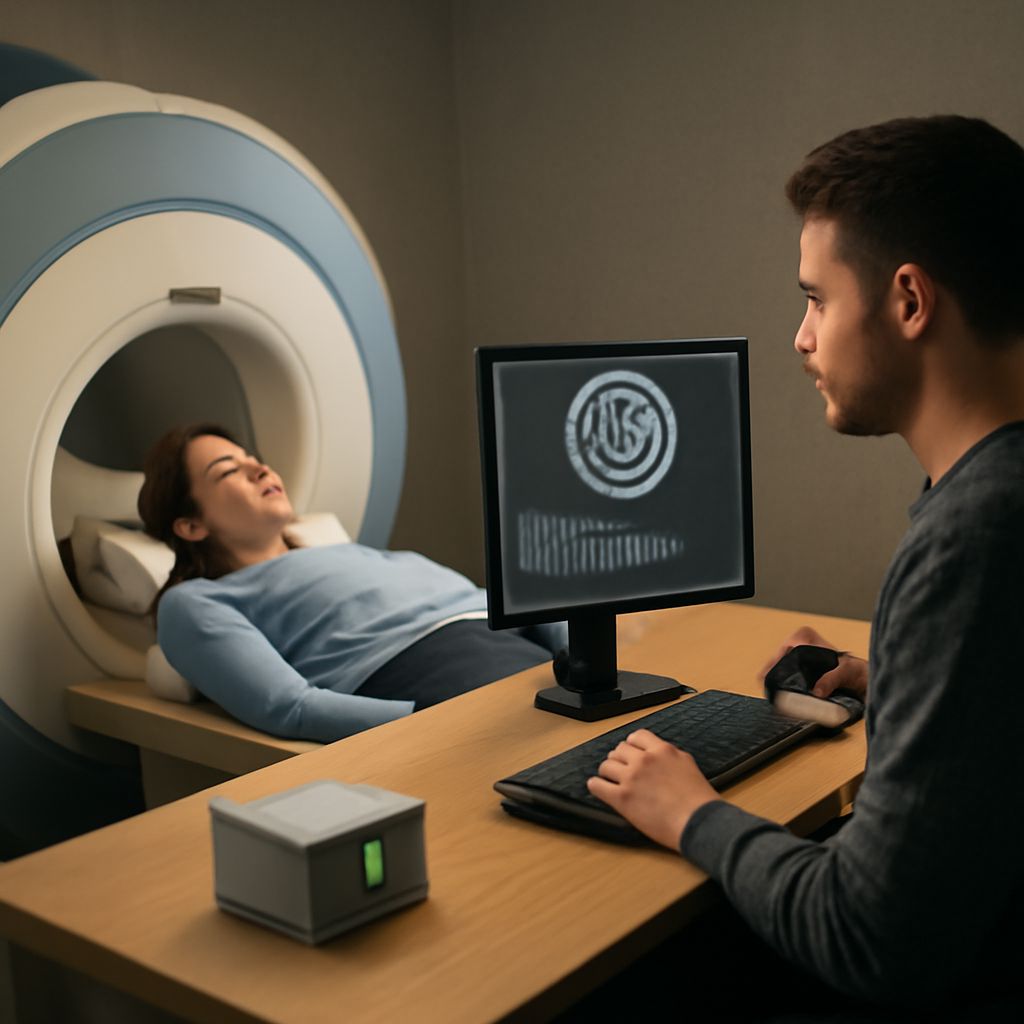
Imaging studies, like MRI, can help identify nerve root swelling or rule out structural causes of neuropathy. Sometimes, a nerve biopsy is performed to examine the tissue under a microscope for evidence of demyelination and inflammation. This adds another layer of confidence to the diagnosis, especially when clinical findings are unclear.
Throughout the CIDP medical diagnosis process, clear communication between patient and doctor is vital. Discussing all symptoms, even those that seem unrelated, can help paint a complete picture and lead to a timely and accurate diagnosis. Early intervention is linked to better outcomes and improved quality of life for those with CIDP.
Treatment Options for CIDP
Once a diagnosis is established, there are several treatment options for CIDP. The main goal is to control immune system activity and reduce nerve inflammation. Common therapies include corticosteroids, intravenous immunoglobulin (IVIg), and plasma exchange. These treatments can slow or stop nerve damage, relieve symptoms, and sometimes lead to significant recovery of strength and sensation.
Each person’s treatment plan is tailored to their needs and response to therapy. Some may benefit from immunosuppressive drugs, which help decrease the immune system’s attack on the nerves. Physical therapy is often recommended to maintain mobility and prevent muscle loss. Regular assessment is important so doctors can adjust the care plan as the condition evolves.
Living with CIDP may require ongoing medication and periodic hospital visits for infusions or monitoring. Managing side effects and monitoring for complications is a key part of the treatment process. Success varies by individual, but many people experience periods of improvement or remission with the right therapies.
Exploring the full range of treatment options for CIDP allows patients and families to make informed decisions. Open dialogue with healthcare providers about goals, expectations, and potential side effects is essential for a positive treatment experience and continued engagement in daily activities.
Living with CIDP: Mental Health and Daily Life
Managing CIDP involves more than addressing physical symptoms. The chronic and unpredictable nature of the condition can impact mental health, leading to anxiety, depression, or feelings of isolation. People may struggle with changes in mobility or independence, which can strain relationships and self-esteem.
Maintaining mental health is a crucial part of living well with CIDP. Support from friends, family, and mental health professionals can help individuals cope with the emotional challenges that accompany chronic illness. Joining peer support groups or connecting with others who have CIDP can provide understanding and encouragement.
Adapting daily routines is often necessary. This might include using assistive devices, modifying work or home environments, or scheduling rest breaks to manage fatigue. Attention to nutrition, sleep, and gentle physical activity supports both body and mind. For many, resilience grows with time, learning, and the support of a caring community.
People with a CIPD medical diagnosis should remember that seeking help for mental health concerns is just as important as treating physical symptoms. Taking a holistic approach creates a pathway for better overall wellbeing and helps individuals thrive despite the challenges of CIDP.
When to Seek Medical Help
Recognizing when to seek medical help is vital for anyone experiencing symptoms of CIDP. Early evaluation is especially important if you notice persistent numbness, weakness, difficulty walking, or rapid changes in sensation. These could be signs that the nerves are under ongoing attack, and timely intervention may prevent lasting damage.
Even after a CIPD medical diagnosis is made, new or worsening symptoms should prompt a visit to your healthcare provider. Sudden increases in muscle weakness, changes in coordination, or new pain should never be ignored. Regular follow-up appointments allow for monitoring disease activity and adjusting treatments as needed.
Families and caregivers should also be alert to changes in mood, behavior, or ability to perform daily activities. These shifts can indicate both physical and emotional needs that require professional support. Mental health crises, such as depression or severe anxiety, deserve immediate attention from a qualified provider.
Staying proactive about health, communicating openly with medical teams, and seeking help early can make a significant difference. Prompt action supports long-term wellbeing for individuals living with CIDP and those supporting them.