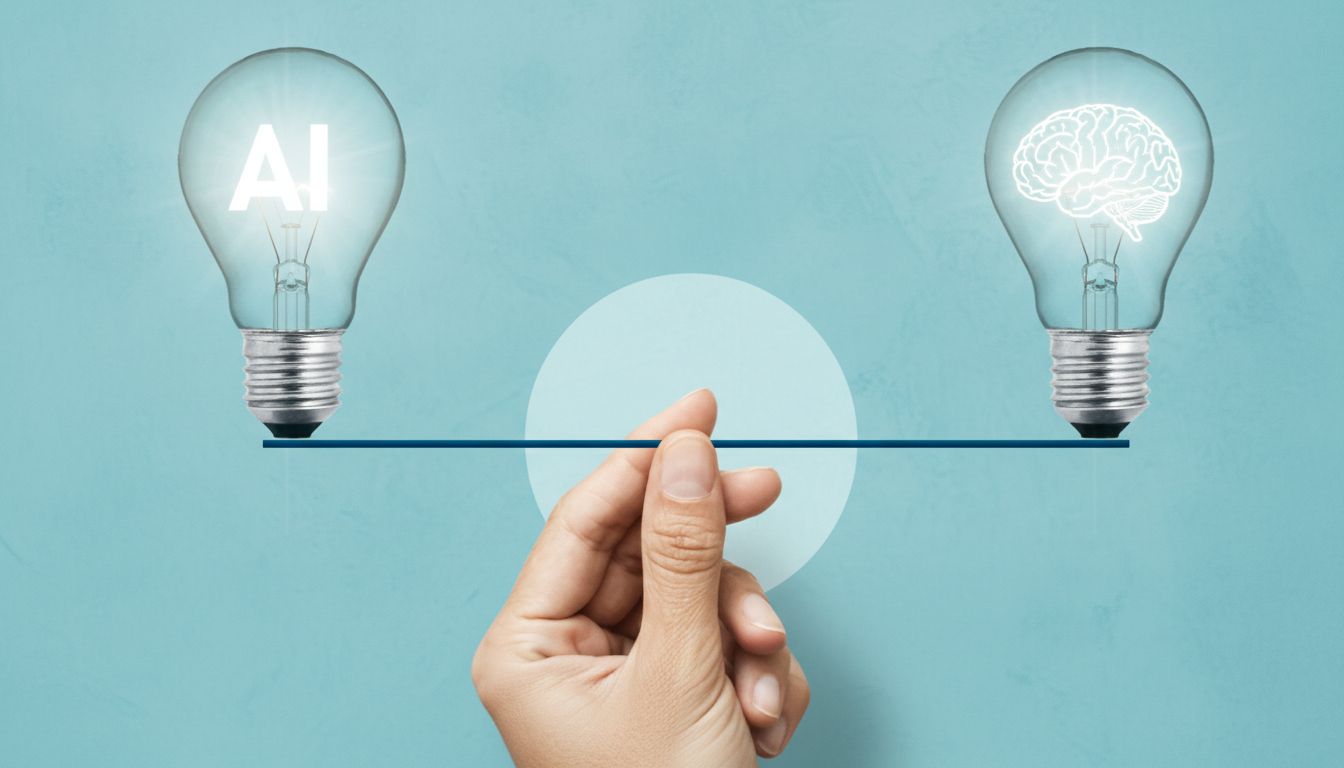
Riddles have been a part of human culture for centuries, offering a unique way to challenge the mind with clever puzzles and enigmas. They are not only entertaining but also provide a workout for your brain. Whether you are looking for fun riddles or the best riddles that push your cognitive boundaries, exploring riddles with answers can be incredibly rewarding. In this article, we dive deep into how riddles can engage your mind, why adults adore them, and what makes them such intriguing mental exercises. Let’s unravel the mysteries of riddles and stimulate your brain with some of the most captivating challenges.
Introduction to Riddles
Riddles are succinct puzzles that require a bit of lateral thinking. Traditionally, they come in the form of questions or statements that need interpretation beyond their literal meaning. This intellectual activity invites people to think outside the box, making them more than just a pastime. Riddles with answers allow us to appreciate the cleverness behind their construction, while partial uses of riddles are often seen in books and games that engage problem-solving skills.
Why Adults Love Riddles
Adults find riddles appealing for various reasons. First, they offer a playful escape from the rigidity of everyday life. Fun riddles can lighten up any gathering, encouraging laughter and camaraderie. Additionally, the complexity of the best riddles challenges the mind, inviting individuals to test their wit and wisdom. The satisfaction from solving a puzzle can be deeply rewarding, tapping into the innate human joy of discovery.
Riddles also promote cognitive sharpening. Engaging with riddles stimulates critical thinking and problem-solving skills, which are crucial at any stage of life. This mental exercise helps maintain a healthy, active brain, a fact that many adults appreciate as they seek ways to keep their minds sharp.
The Science Behind Riddles
The process of solving riddles involves various cognitive functions, including memory, reasoning, and creativity. When tackling riddles with answers, the brain must sift through stored information and creatively apply it to novel situations. This act strengthens neural connections, enhancing mental agility.
Research has shown that engaging the brain in such stimulating activities can potentially delay cognitive decline. Adults who regularly solve fun riddles may experience improved attention spans and better memory retention. This demonstrates why incorporating riddles into your daily life can be both enjoyable and beneficial.
Fun Riddles with Answers
Delving into fun riddles is a delightful experience. Here are a few to tickle your brain:
- Riddle: What has keys but cannot open locks? Answer: A piano.
- Riddle: I speak without a mouth and hear without ears. I have no body, but I come alive with wind. Answer: An echo.
- Riddle: What is seen in the middle of March and April that can’t be seen at the beginning or end of either month? Answer: The letter R.
These riddles invite you to think creatively and enjoy the clever twists they offer. Solving them provides a sense of accomplishment and can be a great conversation starter.
Best Riddles to Challenge Your Mind
For those seeking a greater challenge, the best riddles demand an extra level of thought. Here are a few that have stumped even the brightest minds:
- Riddle: A man is pushing his car along a road when he comes to a hotel. He shouts, “I’m bankrupt!” Why? Answer: He is playing Monopoly.
- Riddle: What can run but never walks, has a mouth but never talks, and has a bed but never sleeps? Answer: A river.
- Riddle: The more you take, the more you leave behind. What are they? Answer: Footsteps.
These riddles serve as powerful mental exercises, encouraging deeper thought and analysis. They are perfect for those who relish the challenge of solving complex enigmas.
Conclusion: The Joy of Solving Riddles
Engaging with riddles offers a multitude of benefits, from entertainment to cognitive enhancement. They provide a fun way for adults to exercise their minds, fostering creativity and problem-solving skills. Whether you’re diving into fun riddles or tackling the best riddles with intricate solutions, the experience is both exhilarating and enlightening.
Pro tips recap: Incorporate riddles into your routine to keep your mind sharp. Start with simpler puzzles and gradually increase complexity to challenge your brain. Share riddles with friends to enjoy collective problem-solving and laughter. Remember, the journey to the answer is as rewarding as the solution itself.