As artificial intelligence continues to evolve, the uncanny valley face represents a curious challenge for developers and researchers. This phenomenon refers to the eerie feeling humans experience when encountering robots or digital entities that appear almost, but not quite, like real humans. Understanding the uncanny valley graph is essential in AI development, as it visually explains this dip in human comfort. This article delves into the history, implications, and future of this intriguing concept.
Introduction to the Uncanny Valley
The term “uncanny valley” was first coined by robotics professor Masahiro Mori in 1970. It describes the unsettling sensation people feel when a humanoid robot or avatar is nearly human-like but not entirely convincing. This concept has been a focal point in AI research because it presents both a psychological and technical challenge for developers.
As AI technologies become more advanced, the goal is to create machines that can interact seamlessly with humans. However, reaching this level of realism without triggering discomfort is a complex task. Understanding this valley is crucial for anyone working on AI-human interaction.
History and Origins
The uncanny valley concept emerged from Mori’s observations of how humans react to robots. Initially, as robotic appearances become more human-like, people feel more comfortable and familiar with them. However, there is a point where this comfort abruptly turns into aversion. This is represented as a dip in Mori’s graph.
This theory has roots in psychological phenomena related to human empathy and pattern recognition. The eerie feeling likely arises from robots mimicking human features imperfectly, which can be unsettling for our brains to process.
Understanding the Uncanny Valley Graph
The uncanny valley graph is a visual representation of people’s comfort levels in relation to a robot’s human likeness. On this graph, the x-axis represents the robot’s similarity to humans, while the y-axis shows the emotional response from humans.
Initially, as robots gain more human-like features, the emotional response is positive. But as these features become almost perfect, yet still slightly off, the comfort level plummets into the “valley.” This dip is where the uncanny valley face phenomenon is most pronounced.
The Uncanny Valley Face Phenomenon
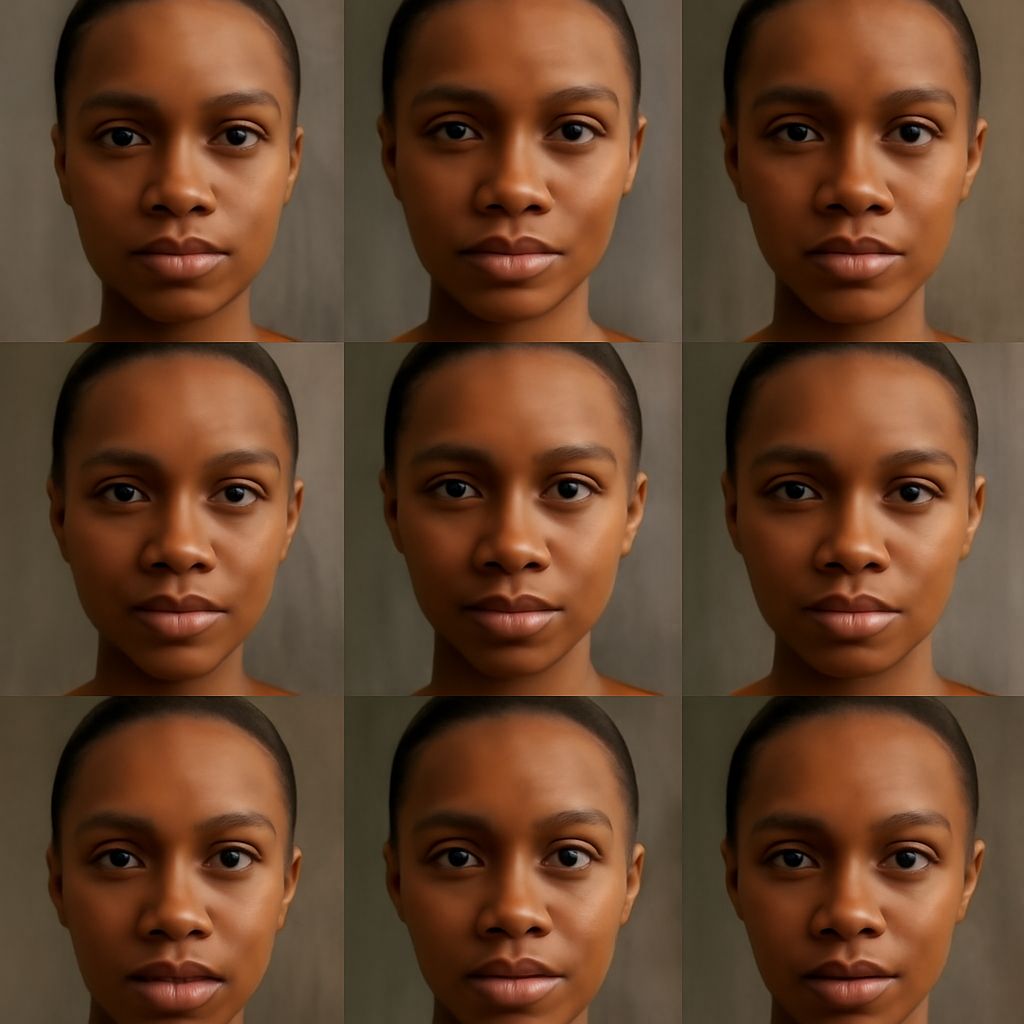
The uncanny valley face is a central aspect of this theory. It refers to the facial features of robots or digital characters that seem almost human but fail to meet the complete likeness convincingly. This near-human appearance can trigger discomfort or even fear.
Examples of this include robots with slightly off facial expressions or digital characters in video games whose eyes don’t quite convey life-like motion. These instances highlight the challenge of creating AI that can replicate human subtleties without falling into the valley.
Impact on AI Development
The uncanny valley has significant implications for AI development. It presents a barrier to creating robots and avatars that can engage effectively with humans. Developers must understand this concept to design AI that avoids the valley, ensuring positive user experiences.
By analyzing the uncanny valley graph, AI designers can pinpoint the features that need refinement. This understanding helps in crafting more relatable and acceptable AI interfaces, which can lead to better social robots, virtual assistants, and interactive media.
Overcoming the Uncanny Valley
To overcome the uncanny valley, developers focus on enhancing the realism of AI without falling into the unsettling zone. This involves improving facial animations, eye movements, and voice synchronization to more closely mimic human behavior.
Additionally, some researchers suggest embracing stylized rather than realistic designs to sidestep the valley entirely. By creating characters that are distinct and engaging without attempting to be overly human, developers can avoid the pitfalls of near-human likeness.
Future Implications of the Uncanny Valley
As technology advances, the uncanny valley will continue to influence AI development. Understanding this concept is vital for creating empathetic and effective human-machine interactions. The impact of the uncanny valley graph and face on AI will shape the future of robotics, gaming, and virtual reality.
The journey to overcome the uncanny valley is ongoing, and future breakthroughs may lie in further understanding human psychology and refining AI design techniques. As AI becomes more integrated into daily life, ensuring comfortable and natural interactions will be crucial.