Are you dealing with a headache behind left eye? It might be more than just a common headache. Understanding cluster headache causes and symptoms can provide insight into this debilitating condition. These headaches are incredibly painful and often misunderstood, making proper diagnosis and management crucial for relief.
What is a Cluster Headache?
Cluster headaches are a type of headache that occurs in cyclical patterns or “clusters.” They are known for their intense pain, often described as a burning or piercing sensation. Unlike migraines, cluster headaches typically affect only one side of the head and can strike multiple times a day. The pain is sudden and can be overwhelming, but understanding the underlying causes can help manage the symptoms.
Common Symptoms of Cluster Headaches
The symptoms of a cluster headache are distinct. The primary symptom is severe pain that usually centers around one eye, often radiating to other parts of the head. This pain is accompanied by other symptoms such as tearing, swelling, and redness of the affected eye. Some individuals may also experience a runny nose or congestion on the same side as the headache. The intensity and consistency of these symptoms make cluster headaches easily distinguishable from other types.
Causes of Cluster Headaches
The exact cause of cluster headaches remains unclear, but several factors have been identified. They are believed to involve abnormalities in the hypothalamus, the part of the brain responsible for biological rhythms. Genetics may also play a role, as some people with cluster headaches have family members with similar issues. Environmental triggers, such as alcohol or strong odors, can provoke episodes, though these vary from person to person.
Headache Behind Left Eye: A Key Indicator
If you experience a headache behind left eye, it may be a key indicator of a cluster headache. This specific location is one of the hallmark features of the condition. The pain is not just behind the eye but can also extend to the temple and cheek, making it a focused yet intense experience. Recognizing this symptom early can lead to a quicker diagnosis and timely treatment.
Diagnosis and Treatment Options
Diagnosis Process
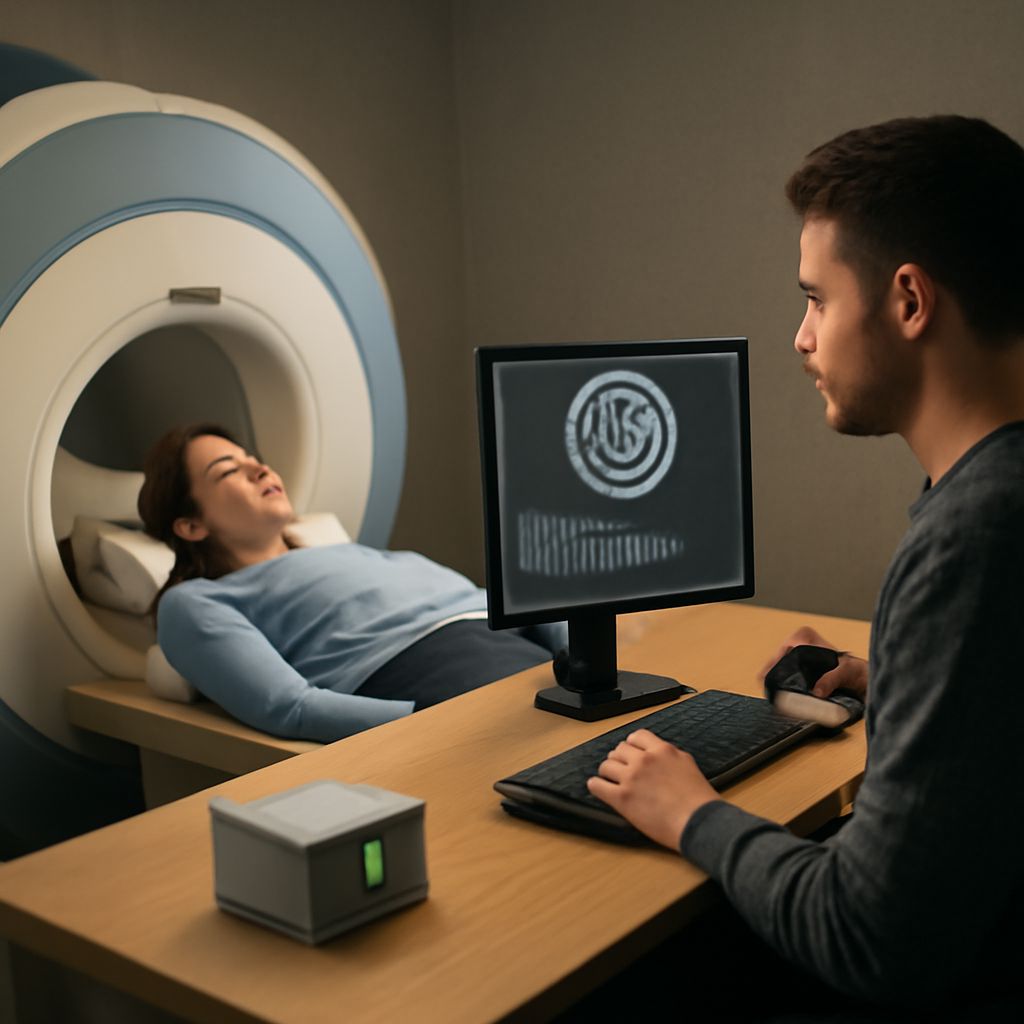
Diagnosing cluster headaches involves a thorough evaluation of your symptoms and medical history. A healthcare provider may conduct neurological exams and imaging tests to rule out other conditions. A headache diary can be useful in documenting the frequency and triggers, aiding in the diagnosis.
Treatment Strategies
Once diagnosed, treatment aims to reduce headache frequency and severity. Acute treatment options include oxygen therapy and triptans, which can relieve pain quickly. Preventative medications like calcium channel blockers or lithium may be prescribed to reduce the frequency of attacks. It’s essential to work closely with a healthcare provider to tailor a treatment plan that suits your specific needs.
Lifestyle Changes to Manage Cluster Headaches
Beyond medication, lifestyle changes can significantly impact the management of cluster headaches. Avoiding known triggers is vital. Maintaining a regular sleep schedule and incorporating stress-reduction techniques like meditation or yoga can also help. Some find relief by using alternative therapies such as acupuncture. These adjustments can enhance overall well-being and potentially decrease the frequency of headaches.
When to Seek Professional Help
If you suspect you have a cluster headache or experience a headache behind left eye, it’s crucial to seek medical attention. A healthcare provider can offer a proper diagnosis and develop a treatment plan tailored to your needs. Early intervention can prevent the condition from worsening and improve your quality of life. Don’t hesitate to reach out to a professional if the pain becomes unmanageable or if you’re unsure about your symptoms.