Neurofeedback therapy is gaining popularity as an effective method to enhance brain function and improve mental health. But what is neurofeedback, and how does it work? This article delves into the intricacies of neural feedback and the latest insights from neurofeedback research. By understanding these elements, you can better appreciate how this innovative therapy is revolutionizing the treatment landscape.
Understanding Neurofeedback Therapy
Neurofeedback therapy is a non-invasive treatment that utilizes real-time monitoring of brain activity. This technique helps individuals learn how to self-regulate brain function, leading to improved mental and emotional states. By providing immediate feedback, individuals can train their brains to operate more efficiently.
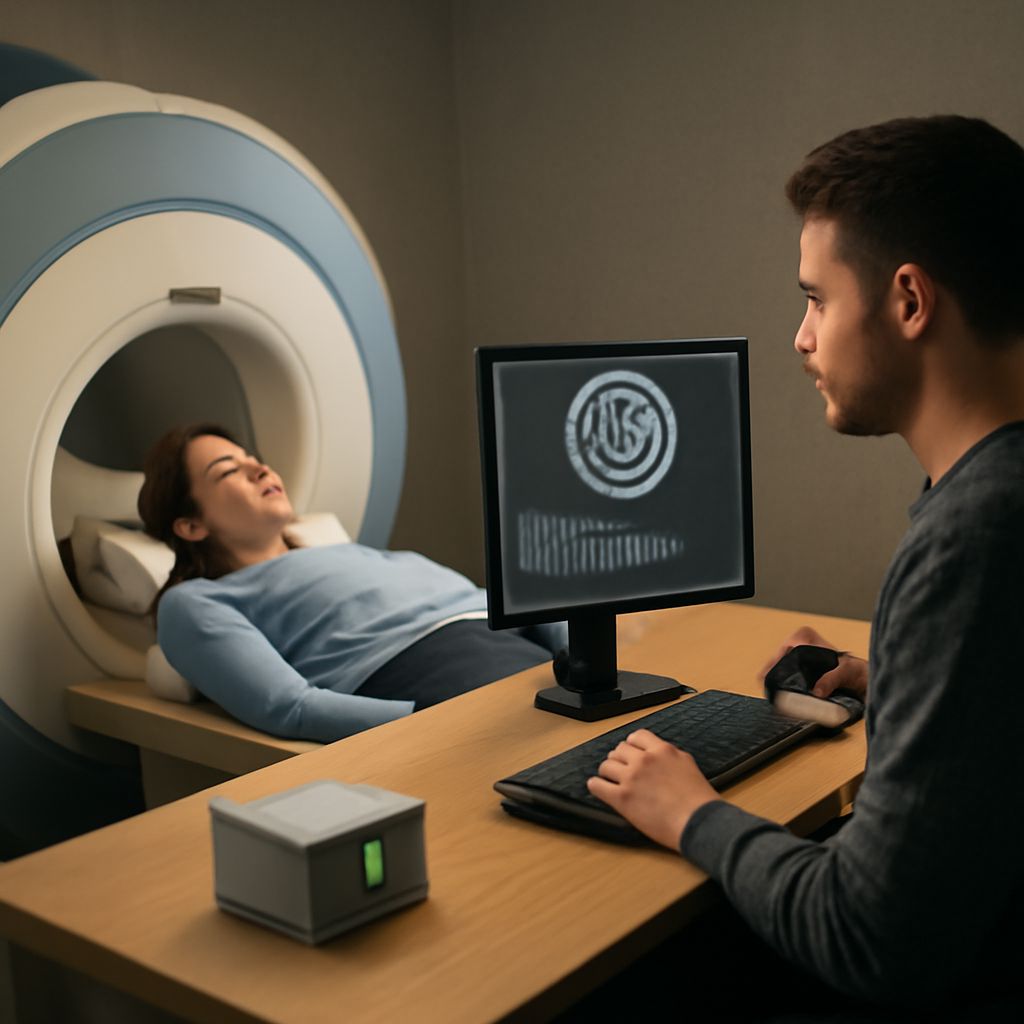
The process involves using sensors placed on the scalp to measure brainwave patterns. This data is then translated into visual or auditory signals, allowing individuals to recognize and modify their brain activity consciously. With consistent practice, neurofeedback therapy can result in lasting changes in brain function.
What is Neurofeedback and How Does it Work?
At its core, neurofeedback is a training technique that targets specific brainwave frequencies. What is neurofeedback? It is a process that helps individuals become aware of their brain activity in real-time. By doing so, they can learn to influence and optimize their neural processes.
Neurofeedback works by reinforcing desired brainwave patterns and diminishing undesired ones. For example, if a person is experiencing anxiety, neurofeedback therapy can encourage brainwaves associated with relaxation. Over time, the brain learns to maintain these optimal states without external prompts.
The Science Behind Neural Feedback
The science of neural feedback lies in its ability to harness the brain’s plasticity. Neural feedback facilitates changes in the brain’s wiring, promoting healthier patterns of activity. This adaptability is what allows individuals to improve their mental health through targeted training.
Research has shown that neural feedback can enhance brain function by stabilizing emotional responses and improving focus and attention. It taps into the brain’s ability to learn and adapt, creating a powerful tool for personal growth and mental resilience.
Benefits of Neurofeedback Therapy
Improving Mental Health
Neurofeedback therapy has proven effective in treating a variety of mental health conditions, including ADHD, depression, and PTSD. By providing individuals with the tools to manage their symptoms, neurofeedback fosters a sense of control and empowerment. It aids in reducing the severity and frequency of symptoms, contributing to an overall improvement in quality of life.
Enhancing Cognitive Abilities
Many individuals turn to neurofeedback to boost cognitive functions such as memory, concentration, and problem-solving. By promoting optimal brainwave patterns, neurofeedback can lead to enhanced cognitive performance. This is particularly beneficial for students, professionals, and athletes seeking to gain a mental edge.
Reducing Stress and Anxiety
Stress and anxiety are prevalent issues in today’s fast-paced world. Neurofeedback therapy offers a natural way to alleviate these conditions by promoting brainwave patterns that correspond to relaxation and calmness. Individuals learn to manage their stress responses more effectively, resulting in decreased anxiety levels and improved emotional stability.
Exploring Neurofeedback Research
Neurofeedback research is an ever-expanding field, with numerous studies highlighting its potential benefits. Researchers are continually exploring new applications and refining techniques to maximize effectiveness. The growing body of evidence supports the use of neurofeedback as a viable treatment option for various mental health disorders.
Current neurofeedback research is focusing on understanding long-term effects and identifying the most effective protocols for different conditions. This research is crucial for establishing standardized practices and ensuring the therapy’s accessibility to a broader audience.
Is Neurofeedback Right for You?
Deciding if neurofeedback therapy is right for you involves considering multiple factors. It’s important to consult with a qualified professional who can assess your specific needs and goals. Neurofeedback may be particularly beneficial for individuals who prefer non-pharmaceutical interventions or have not found success with traditional treatments.
Before starting neurofeedback, ensure you understand the commitment involved. Consistency is key to achieving the desired outcomes, and it may take several sessions to notice significant improvements. Ultimately, if you’re seeking a holistic approach to improving brain function and mental health, neurofeedback could be a promising option.
Next steps: If you’re interested in trying neurofeedback therapy, start by researching qualified practitioners in your area. Schedule a consultation to discuss your goals and determine if this approach aligns with your needs. Remember, regular practice is essential for maintaining the benefits of neurofeedback, so consider how it can be integrated into your ongoing mental health care routine.