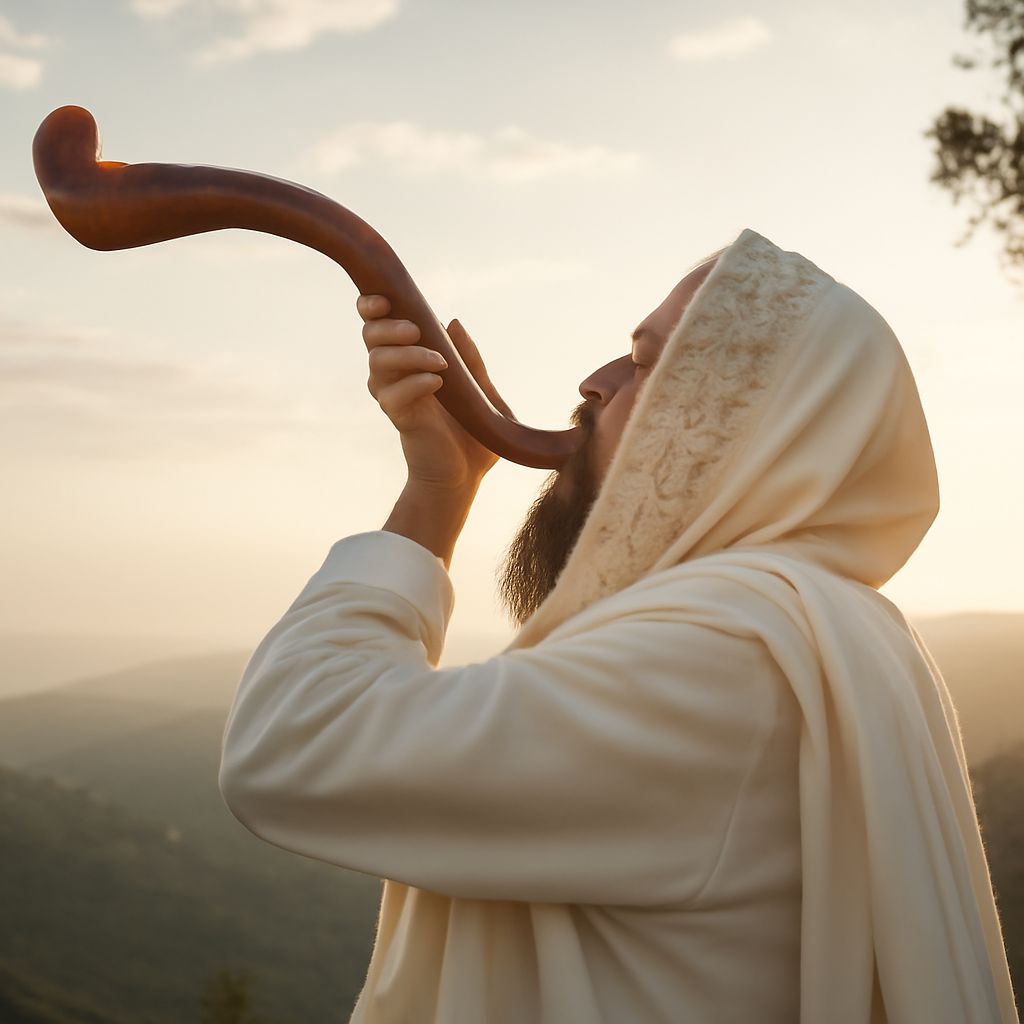
The shofar is an ancient musical instrument, steeped in religious tradition and symbolic significance. Widely recognized in Jewish culture, the sound of the shofar is central to many sacred rituals. To blow the shofar is to awaken the spirit, calling individuals to reflection, repentance, and renewal. This article explores the profound religious meaning of shofar blowing, its historical roots, and its role in modern spiritual practices.
The Historical Significance of Shofar Blowing
Throughout history, the shofar has held a vital place in religious ceremonies. Its origins date back to biblical times when it was used for both sacred and practical purposes. The shofar’s distinctive sound was a call to worship, a signal of battle, and a declaration of important events. In ancient Israel, the blowing of the shofar marked the beginning of celebrations, such as Rosh Hashanah and Yom Kippur.
To blow the shofar during these occasions was more than a mere tradition; it was a profound reminder of the covenant between God and His people. The shofar’s use in these ceremonies underscores its deep-rooted connection to faith and community. The historical significance of shofar blowing continues to resonate, reminding believers of their spiritual heritage.
How to Blow the Shofar
Learning how to blow the shofar requires practice and patience. The technique involves precise control of breath and embouchure, similar to playing brass instruments. First, one must hold the shofar firmly and form a tight seal with the lips around the mouthpiece. By blowing air through the shofar without puffing the cheeks, a resonant sound emerges.
Mastering the sound of the shofar involves not only physical skill but also a deep understanding of its spiritual significance. Many practitioners emphasize the importance of approaching this task with intention and mindfulness. As they blow the shofar, individuals often focus on conveying specific spiritual messages, such as calls to introspection and communal unity.
The Spiritual Meaning Behind the Sound of the Shofar
The sound of the shofar is imbued with layers of spiritual meaning. It serves as a wake-up call, urging individuals to reflect on their lives and strive for moral and spiritual growth. The piercing tones are said to penetrate the soul, breaking through complacency and prompting a reevaluation of one’s actions and intentions.
This symbolic resonance extends to the broader community as well. To blow the shofar is to invite collective reflection, a shared journey toward spiritual enlightenment. The sound can evoke a sense of awe and reverence, connecting listeners with the divine and reminding them of their place within a greater cosmic order. The shofar’s call reinforces bonds of faith and encourages a deepened commitment to spiritual principles.
The Role of Shofar Blowing in Modern Practice
In today’s world, the role of shofar blowing remains vibrant and meaningful. Many communities continue to incorporate the shofar into religious services, particularly during the High Holy Days. Its sound serves as a bridge between past and present, linking contemporary worshippers with ancestral traditions.
Moreover, the act of blowing the shofar has found resonance beyond religious settings. Some view it as a tool for personal meditation and reflection, using its sound to cultivate mindfulness and self-awareness. This broader application underscores the timeless appeal of the shofar, as its sound continues to inspire and uplift individuals across diverse contexts.
Safety recap: While the act of blowing the shofar is generally safe, it is important to practice proper technique to avoid strain. Care should be taken to maintain the instrument’s condition, ensuring it produces a clear, resonant sound.